+852 60984748
A Portable Heat Plate can turn a small counter, studio kitchenette, or campsite table into a practical cooking spot. Yet “portable” does not mean every model heats the same way. Induction units need compatible magnetic cookware, while exposed-coil and solid-disc models can work with a wider range of pans. The U.S. Department of Energy’s Energy Saver guidance estimates that induction transfers about 85% of its energy to cookware, compared with roughly 75–80% for conventional electric resistance and 32% for gas. Those figures describe cooking technologies, not every product’s real-world performance. Pan size, food quantity, and temperature settings all matter. Small details matter.
This guide compares leading portable plates by heating speed, temperature control, stability, cleanup, and practical safety features. The U.S. Energy Information Administration’s Residential Energy Consumption Survey tracks household cooking fuels and energy use, offering useful context for how Americans cook at home. But household data cannot tell you whether a particular plate will suit a cramped dorm room or a heavy cast-iron skillet. Product specifications and independent testing help fill that gap. Look for clear wattage information, overheat protection, a stable base, and controls that are easy to read. A low price can be tempting; uneven heating or awkward cleaning may cost more patience later. This comparison is not perfect: test conditions and cookware vary, and manufacturers do not always describe performance consistently. Use the rankings as a starting point, then match the plate to your cookware, available outlet, and daily routine.
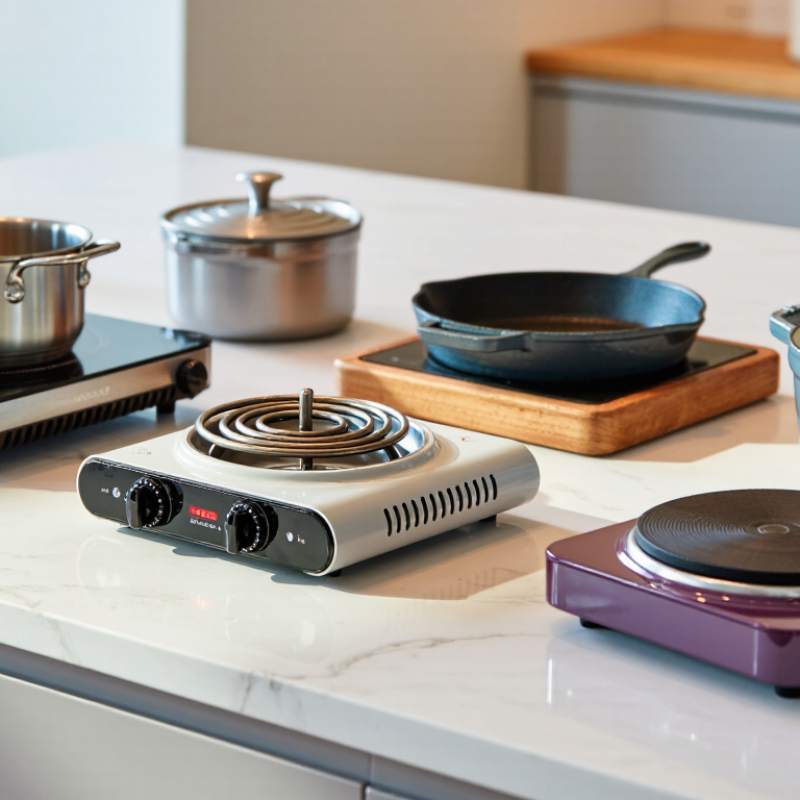
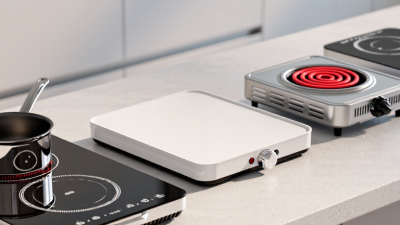
A portable hot plate is a compact electric cooking surface for places without a built-in stove, such as a studio kitchen, office, or cabin. Common types include exposed-coil, infrared, and induction models. Coils work with many kinds of cookware, but they may heat unevenly and take longer to cool. Infrared plates heat a glass surface, while induction heats compatible magnetic cookware directly. Check your pan with a magnet before choosing induction. That detail matters.
Controls range from simple temperature dials to digital settings and timers. A dial may feel vague when gently simmering soup; digital controls can offer more precision, though their buttons may take getting used to. Portable plates suit boiling pasta, warming a meal, or preparing one-pan dishes. They are not always a full replacement for a stove. Check the unit’s power needs, and place it on a stable, heat-resistant surface with clear space around it. Follow the manual, especially for cookware size and cleaning.
Tips: Match the burner size to your pan, and start with a lower setting. Watch the first few cooking sessions; heat response can vary, and it is easy to overshoot. Don’t assume “portable” means cool to touch after use.
Portable heat plates commonly range from about 500 to 1,800 watts. A higher rating can send more energy to the heating element and often reduce warm-up time. It is not a stopwatch guarantee. Pan contact, cookware thickness, and thermostat cycling all affect results.
Around 500–700 watts, a small pan of soup may heat slowly, while delicate warming is easier to manage. Models near 1,000–1,500 watts usually offer a more practical pace for everyday pans and modest portions. At 1,800 watts, water or a meal may heat faster, provided the cookware fits the plate and has a flat base. Watch the first few minutes; heat can climb quicker than expected.
Capacity depends on the cooking surface as much as the wattage. A powerful plate with a small heating area still suits one appropriately sized pan, not a crowded spread of cookware. A broad, heavy pot can also take longer to warm than a light pan, even at the same setting. Check the plate’s usable diameter and your pan’s base, not just its advertised power. One easy-to-miss detail: nearby appliances sharing a circuit may affect how conveniently you can use a high-wattage plate. Wattage is useful, but it leaves out a few kitchen realities.
Estimated time to heat 1 liter of water from 20°C to 100°C at different power ratings.
How to read it: Higher wattage can reduce heat-up time and help sustain heat when cooking larger quantities. Times shown are theoretical estimates based on water’s specific heat and exclude heat losses, cookware differences, and power cycling, so actual results will take longer. Wattage alone does not specify a plate’s usable cooking capacity.
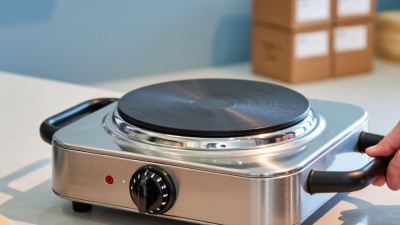
A cast-iron portable heat plate warms a solid metal disc, which then transfers heat to the pan’s base. The disc stores heat, so it can keep cooking after the control is lowered. That lag matters. A thin pan may develop hot spots, while a heavy, flat-bottomed pan usually spreads heat more evenly. Cast-iron plates work with most cookware, but they take time to heat and cool.
Induction works differently: an electromagnetic field heats compatible cookware directly, rather than warming a plate first.
Actual results vary with the pan, setting, and cooking task. Not always. For induction, use magnetic cookware; a simple magnet should stick firmly to the base. Cast iron and many magnetic stainless-steel pans qualify, while ordinary aluminum and copper usually do not.
Check the base, not just the handle or sides. An induction-ready pan can still cook poorly if its bottom is warped or too small for the heating zone.
When comparing portable heat plates, treat safety as more than a cool handle or a bright indicator. UL 1026 covers household electric cooking and food-serving appliances, including relevant hot-plate designs. A certification mark tied to the exact model can indicate that the appliance was evaluated against applicable requirements. Check the rating label and manual, not just a sales-page claim.
Look for protection against overheating, secure temperature controls, and a stable base that resists tipping on a level counter. The housing should keep users away from live electrical parts, while the cord and plug should feel firmly attached, without cracks or loose fittings.
An operating light helps show when the plate is energized. It does not prove the surface is cool. Not even close. Keep combustibles clear, and let the unit cool before moving it.
Standards and product designs can change, so verify the model’s current certification rather than assuming every heat plate has identical safeguards. A familiar-looking dial is not a safety guarantee.
I would also check whether the manual gives clear cleaning and clearance instructions; this detail is easy to overlook, yet it affects everyday use.
What Are the Top Portable Heat Plates?
Compare portable hot plates by more than their advertised wattage. A 1,500-watt unit can heat quickly, but its performance also depends on cookware, room conditions, and power settings. For induction models, check that your pan is magnetic; a refrigerator magnet should cling to its base. That small test can prevent a frustrating first meal.
Temperature control deserves a practical test. Try simmering a small pot of water, then lowering the setting. If the boil keeps surging, the plate may cycle power in noticeable bursts. The U.S. Department of Energy’s Energy Saver guidance estimates induction transfers about 85% of its energy to cookware, compared with 75–80% for standard electric resistance and about 32% for gas. These figures describe energy transfer, not how evenly every portable model cooks. Still, they offer useful context when comparing technologies.
Stability matters near a crowded counter. Look for broad feet, a flat cooking surface, and controls that are easy to reach without nudging a hot pan. Check the plate on your actual countertop; a slightly uneven table can expose wobble that a showroom floor hides. Not glamorous. Also, note the lowest setting and whether adjustments are gradual. A dial with clear steps may be easier to use than vague touch controls, though that is not always true. U.S. Department of Energy, Energy Saver, “Induction Cooking.”
| Heating Type | Typical Rated Power | Stability and Cookware | Temperature Control | Best For |
|---|---|---|---|---|
| Exposed-coil electric | About 1,000–1,500 W per burner | Works with many flat-bottomed pots and pans. The raised coil may not support small or uneven cookware as steadily as a flat surface. | Usually controlled by a dial that cycles the element on and off; heat response can be gradual. | Simple, budget-conscious cooking where broad cookware compatibility matters. |
| Cast-iron electric plate | About 1,000–1,500 W per burner | The solid, level plate provides a stable resting surface. It retains heat well, but the plate can take time to warm up and cool down. | Typically uses selectable heat settings or a thermostat. Changes in setting may take time to affect the cookware. | Steady simmering and everyday use when quick temperature changes are not essential. |
| Ceramic radiant electric | About 1,200–1,800 W per burner | The smooth glass-ceramic surface supports flat-bottomed cookware. The surface remains hot after cooking and should be allowed to cool. | Often offers multiple power or heat settings. Radiant elements can cycle during operation, so temperature may fluctuate. | Users who want a flat surface that is easy to wipe clean. |
| Portable induction | About 1,200–1,800 W per burner | Requires compatible cookware with a magnetic base; a flat-bottomed pan generally makes better contact. The cooking surface itself is heated mainly by the pan. | Often provides numbered power levels or temperature settings and responds quickly. Low-power operation may still cycle on some units. | Fast heating and responsive control, provided compatible cookware is available. |
Comparison note: Power ranges are typical examples, not fixed specifications; actual ratings and controls vary by unit. A higher wattage can provide more heating power, but cooking performance also depends on cookware, the electrical supply, and the control design.