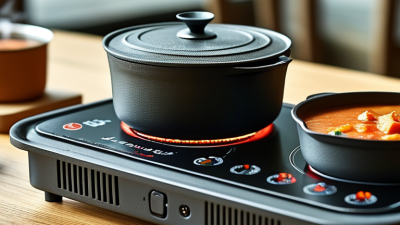
| Electric Coil Plate |
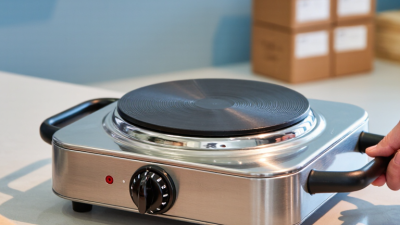
An electrical current heats a visible metal coil, which transfers heat to the cookware base. |
1,000–1,500 W |
Low to high settings; exact surface temperature varies by design and cookware. |
Flat-bottom cookware made from materials such as stainless steel, aluminum, cast iron, or ceramic. |
Boiling water, cooking pasta, simmering sauces, reheating food, and basic everyday cooking. |
Check coil stability, heating speed, overload protection, cord type, and ease of cleaning. |
| Solid Hot Plate |
A sealed cast-metal heating element transfers heat through a solid, flat cooking surface. |
1,000–1,500 W |
Multiple manual heat levels; the plate remains hot after power is switched off. |
Most flat-bottom metal cookware; cookware should sit firmly on the surface. |
Slow cooking, simmering, warming, and use in temporary kitchens or accommodation. |
Look for a smooth surface, residual-heat indicator, stable feet, and corrosion-resistant housing. |
| Ceramic Radiant Plate |
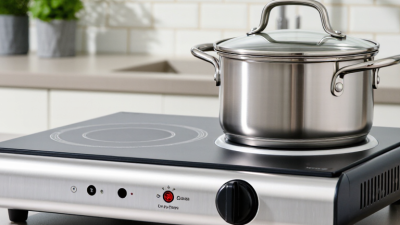
An electric heating element beneath a glass-ceramic surface radiates heat upward. |
1,200–1,800 W |
Several electronic or rotary power levels; surface temperature changes gradually. |
Flat-bottom cookware, including stainless steel, cast iron, aluminum, and ceramic cookware. |
Compact kitchens, tabletop cooking, food warming, and users who prefer a smooth surface. |
Inspect glass-ceramic durability, maximum load, residual-heat warning, touch controls, and cleaning instructions. |
| Induction Plate |
An electromagnetic field heats compatible magnetic cookware directly rather than heating a separate coil first. |
1,300–2,000 W |
Precise power levels; many models include timer and temperature-control functions. |
Magnetic cookware, such as cast iron and magnetic stainless steel. A magnet test can help check compatibility. |
Fast boiling, controlled cooking, energy-conscious use, mobile catering, and small-space kitchens. |
Confirm cookware compatibility, ventilation requirements, noise level, power stability, and local electrical rating. |
| Infrared Plate |
An infrared heating element emits radiant heat through a heat-resistant glass or ceramic surface. |
1,200–2,000 W |
Broad manual or electronic control range; response is generally faster than a traditional solid plate. |
Most flat-bottom cookware, including non-magnetic metal cookware. |
Quick heating, tabletop cooking, warming dishes, and situations where cookware flexibility is important. |
Evaluate surface temperature, heat distribution, cooling time, controls, and protection against overheating. |
| Gas Portable Cooker |
A gas burner produces a flame that heats the cookware directly. |
Approximately 1.5–2.5 kW thermal input, depending on burner design and fuel type. |
Continuous flame adjustment from low simmer to high heat. |
Flat or rounded cookware that can be safely supported by the pan supports. |
Outdoor cooking, locations with unreliable electricity, camping, and high-heat cooking. |
Verify fuel-canister availability, ventilation, flame-failure protection, hose or regulator compatibility, and local safety rules. |
| USB or Low-Voltage Heating Plate |
A low-voltage resistive element produces limited heat from a USB or external power source. |
5–100 W, depending on the power source and product design. |
Usually fixed or limited temperature control. |
Small compatible containers or specially designed warming surfaces; not generally suitable for full-size cookware. |
Keeping beverages or small portions warm, laboratory-style warming, and low-power mobile applications. |
Do not expect boiling or full cooking performance; check output limits, connector safety, heat insulation, and power-bank compatibility. |

 +852 60984748