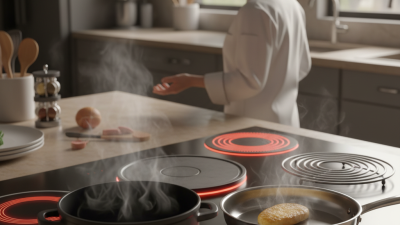
10 Best Portable Heat Plates for Home and Travel
A Portable Heat Plate can turn a small kitchen, hotel room, or campsite table into a useful cooking station. Its compact design suits renters, students, travelers, and anyone needing an extra burner. Yet portability often brings compromises. A lighter plate may heat slowly, while a powerful model can demand more counter space and electricity.
This guide examines ten portable heat plates for home and travel, focusing on heat control, stability, cookware compatibility, cord length, cleaning, and storage. Real-world details matter. A steady base helps prevent a pan from sliding. Clear temperature markings are valuable when simmering soup or melting chocolate. A cool-touch handle can make packing safer after cooking, but every surface still needs time to cool.
Small details matter.
We also consider user manuals, warranty information, safety certifications, and manufacturer specifications where available. These sources help separate practical performance from attractive advertising. However, testing conditions vary, and no single model will suit every kitchen or trip. A plate that works well with a cast-iron skillet may feel inefficient with a thin travel pan. I would also question listings that promise instant heating without explaining wattage or cookware limits.
The following selections aim to balance convenience, reliability, and value. They are not a substitute for careful use. Place the unit on a stable, heat-resistant surface, keep ventilation clear, and follow the manufacturer’s instructions. The best choice is not always the hottest one. It is the model that fits your cookware, space, cooking habits, and realistic travel needs.

What Is a Portable Heat Plate and How Does It Work?
A portable heat plate is a compact electric cooking appliance that creates heat on a small surface. It usually uses a resistive coil beneath a metal plate. Electricity passes through the coil, producing heat through resistance. That heat moves into the plate, then into the cookware and food. Simple, but not instant. The plate needs time to warm up and cool down.
Some models use induction instead. They generate a magnetic field that heats compatible cookware directly, rather than warming the surface first. This can improve response time and reduce wasted heat. However, induction requires suitable magnetic cookware. A flat-bottomed pan works best on either type. Uneven cookware may heat slowly or wobble during stirring.
I have found portable plates useful in small kitchens, temporary cooking spaces, and road trips with reliable electricity. A 1,000- to 1,500-watt unit often handles boiling, simmering, and light frying. Check the outlet and voltage before traveling. I once underestimated how much heat a small plate retained, so I moved it too quickly after cooking. That was careless. Keep it on a dry, stable, heat-resistant surface, leave space around the vents, and never cover the controls. Heat settings are not always perfectly accurate, especially on basic models. A gentle simmer may become a vigorous boil, so watching the pan still matters.
Key Features to Compare Before Buying a Portable Heat Plate
10 Best Portable Heat Plates for Home and Travel
Key Features to Compare Before Buying a Portable Heat Plate
A portable heat plate should match your cooking habits, not only its advertised power. Check wattage first: higher output usually heats faster, but it may overload older travel sockets. The U.S. Energy Information Administration’s Residential Energy Consumption Survey 2020 places cooking near 1% of household energy use. Efficiency still matters in small rooms. Look for adjustable temperature control, clear indicators, and steady heat across the cooking surface. A 1,000–1,500-watt model suits basic boiling, reheating, and simmering.
Size and stability affect real use. Measure your usual pan base before buying, because a narrow plate can create hot spots. Cast-iron surfaces retain heat well, while smooth ceramic surfaces are easier to wipe clean. Neither option is perfect. A heavier unit may feel safer on a kitchen counter but becomes awkward in luggage. A cool-touch handle, non-slip feet, and a short, protected power cord improve handling near crowded counters.
Safety deserves more attention than appearance. The National Fire Protection Association reported an average of 158,400 home cooking fires annually from 2017 to 2021. Choose automatic shutoff, overheating protection, and a visible residual-heat warning. Confirm the unit accepts your cookware type. Some plates perform poorly with warped pans. For travel, compare packed weight, voltage compatibility, and cleaning needs. I once underestimated cord length; the plate worked, but the nearby outlet became inconvenient. Small details can decide whether portable cooking feels practical or frustrating.
Top Portable Heat Plates for Home and Travel
Portable heat plates make cooking easier in small kitchens, rented rooms, offices, and travel spaces. The best portable heat plates balance steady heating, simple controls, and safe handling. A compact unit should sit firmly on the counter, even when holding a heavy saucepan. Look for adjustable temperature settings, overheating protection, and a heat-resistant handle or housing. A cool-touch control area matters when cooking beside children or crowded luggage.
The top portable heat plates for home and travel usually use induction or electric heating. Induction heats compatible magnetic cookware quickly and keeps the surface easier to clean. Electric coil plates work with more pots, but they may heat unevenly and stay hot longer. Check the required cookware before buying. Measure the plate, cord length, and storage space too. A long cord helps at home, while a shorter design travels better.
Small details can change daily use. A clear power light prevents accidental operation. Rubber feet reduce sliding on smooth counters. Flat surfaces wipe clean after sauces splatter. Still, no portable plate is perfect. Some compact models feel slow with large pans, and powerful units can overload weak outlets. I would test the plate with your usual pot before relying on it for travel cooking. Pack it only after it has cooled completely. Safety instructions may seem repetitive, but ignoring them is an easy mistake.
10 Best Portable Heat Plates for Home and Travel
Comparison of typical maximum electrical input across common portable heat-plate configurations. Higher wattage generally means faster heating, while lower wattage can be more suitable for limited travel power sources.
Compact induction and dual-burner units usually provide the highest electrical output. Coil and ceramic models are often simpler and more affordable, while low-wattage travel units prioritize portability and reduced power consumption.
How to Choose the Right Heat Plate for Your Cooking Needs
Choosing a portable heat plate starts with your cooking habits, not its appearance.
A 1,000 to 1,500-watt model suits soup, eggs, and small pans. Higher wattage heats faster but may overload weak outlets. Check the voltage before traveling. Compatibility matters too. Induction plates require magnetic cookware, while coil and ceramic models accept most flat-bottomed pans.
I once chose a compact plate because it looked convenient. That assumption was wrong. Its controls were cramped, and the surface stayed hot long after cooking. Now, I inspect knob visibility, temperature ranges, cord length, and heat indicators. A stable base is essential on a narrow counter. Look for clear electrical safety certification suitable for your region. Also measure your largest pan, because uneven contact wastes heat.
For travel, weight and cleanup become practical concerns.
A smooth surface wipes clean faster than exposed coils, but spills can still enter control areas. Use a heat-resistant mat when the instructions allow it. Keep ventilation space around the plate. Do not place it beside curtains or under low cabinets. I still prefer a slightly heavier model for home use, since lightweight units can shift while stirring. The smallest option is not always the easiest. Consider cooking one real meal with it before deciding; a device that boils water quickly may still struggle with gentle simmering.
Safe Use, Cleaning, and Maintenance Guidelines
Safe Use, Cleaning, and Maintenance Guidelines
A portable heat plate needs a clear, stable, heat-resistant surface. Keep it away from towels, paper, curtains, and crowded counters. NFPA reports that unattended cooking equipment caused about 38% of home cooking fires from 2017 to 2021. Stay nearby, even when heating a small pan. Short trips are not truly safe. Use cookware that sits flat, and keep handles turned inward. Check the cord before every trip. Fraying, loose plugs, or heat damage require replacement.
Unplug the plate and let it cool completely before cleaning. Wipe the surface with a damp cloth and mild detergent. Never immerse the unit or pour water across its controls. A dry underside matters. Moisture near electrical parts can create a serious hazard. For food safety, USDA FSIS recommends 165°F for poultry, 160°F for ground meats, and 145°F for whole cuts with a rest period. Use a thermometer rather than guessing by appearance. I have found that “warm enough” is an unreliable judgment. It can fail both cooking quality and safety. Remove grease after each use, because residue can smoke during the next heating cycle. Store the plate dry, with its cord loosely coiled. Before using it abroad, verify voltage and outlet compatibility. A travel adapter does not change voltage.
10 Best Portable Heat Plates for Home and Travel - Safe Use, Cleaning, and Maintenance Guidelines
| No. |
Portable Heat Plate Type |
Heating Surface |
Typical Power |
Temperature Range |
Approx. Size |
Best Use |
Safety and Maintenance Notes |
| 1 |
Single-Coil Electric Plate |
Cast iron, 6–7 in |
1,000–1,500 W |
Low to high heat |
10 × 10 in |
Small kitchens and dorm rooms |
Use flat-bottom cookware. Allow the coil to cool fully before wiping; never immerse the electrical housing. |
| 2 |
Double-Coil Electric Plate |
Two cast-iron zones |
1,500–1,800 W |
Low to high heat |
18 × 10 in |
Cooking two pans at once |
Keep both heating zones clear of spills. Check the cord and plug regularly for heat damage. |
| 3 |
Single-Zone Induction Plate |
Ceramic glass, 8–10 in |
1,300–1,800 W |
Approx. 140–460°F |
12 × 15 in |
Fast boiling and precise cooking |
Requires magnetic cookware. Do not place metal utensils on the surface; clean with a soft, nonabrasive cloth. |
| 4 |
Portable Induction Cooker with Timer |
Ceramic glass, 8–10 in |
1,500–1,800 W |
Approx. 140–460°F |
12 × 15 in |
Travel cooking and unattended shutoff |
Use the timer as an added precaution, not a substitute for supervision. Keep ventilation openings unobstructed. |
| 5 |
Infrared Ceramic Heat Plate |
Ceramic glass, 7–8 in |
1,200–1,800 W |
Approx. 200–570°F |
11 × 13 in |
Use with most cookware types |
The glass remains hot after switching off. Wait until the residual-heat indicator, if fitted, goes out before cleaning. |
| 6 |
Compact Low-Wattage Heat Plate |
Metal or ceramic, 5–6 in |
500–900 W |
Low to medium heat |
8 × 8 in |
Hotel rooms and light reheating |
Best for small pots and warming tasks. Avoid extension cords unless they are properly rated for the appliance load. |
| 7 |
Cast-Iron Travel Hot Plate |
Cast iron, 6 in |
1,000–1,200 W |
Low to high heat |
9 × 9 in |
Durable everyday cooking |
Dry the cast-iron surface immediately after cleaning to help prevent rust. Do not use abrasive tools on the control area. |
| 8 |
Dual-Voltage Travel Heat Plate |
Ceramic or metal, 5–6 in |
600–1,000 W |
Low to high heat |
8 × 10 in |
International travel with compatible voltage |
Confirm the local voltage and frequency before use. A plug adapter may not convert voltage; use a suitable transformer when required. |
| 9 |
Portable Warming Plate |
Tempered glass or metal, 8–12 in |
100–300 W |
Approx. 95–212°F |
12 × 14 in |
Keeping prepared food warm |
Not intended for rapid boiling. Keep food at a safe serving temperature and avoid covering ventilation openings. |
| 10 |
Portable Griddle-Style Heat Plate |
Nonstick or cast aluminum, 10–16 in |
1,000–1,500 W |
Approx. 200–450°F |
14 × 10 in |
Pancakes, sandwiches, and breakfast foods |
Use silicone or wooden utensils on nonstick surfaces. Remove the plug, cool the plate, and wipe rather than submerging the electrical base. |
General Safe-Use Guidelines:
Place the heat plate on a stable, dry, heat-resistant surface; keep curtains, paper, towels, and other combustible materials away; avoid overloading electrical circuits; supervise cooking; unplug the appliance when it is not in use; and allow all components to cool completely before cleaning or storage.

 +852 60984748