 +852 60984748
Leave Your Message
Why choose a Portable Heat Plate when a full cooktop already exists? Flexibility is the clearest answer. A compact unit can sit on a small kitchen counter, office desk, studio apartment, or outdoor preparation table. It offers controlled heating without requiring permanent installation. That matters for renters, students, travelers, and households needing a temporary cooking surface.
Industry data supports this practical shift. The U.S. Department of Energy reports that induction cooking transfers roughly 85% of its energy into the cookware, compared with about 32% for gas cooking. Its guidance also states that induction models can be around 5% to 10% more efficient than conventional electric cooktops. ENERGY STAR identifies induction as an emerging high-efficiency cooking technology. These figures do not guarantee lower bills in every home. Pan material, wattage, cooking time, and electricity prices still matter.
Chef and induction educator Chris Galarza has described induction cooking as “more efficient, safer, and better for the planet.” His experience reflects a useful advantage: direct heat can make a saucepan respond quickly, while the surrounding surface stays comparatively cooler. Portable models also reduce visual clutter. Some include timers, temperature controls, and automatic shutoff features. Small details matter.
Still, portable does not mean perfect. Low-cost units may heat unevenly, produce fan noise, or lack durable controls. Certain induction plates require magnetic cookware. Buyers should check wattage, safety certifications, cord length, stability, and warranty terms before purchasing. A Portable Heat Plate is valuable when its limitations match the user’s real needs.
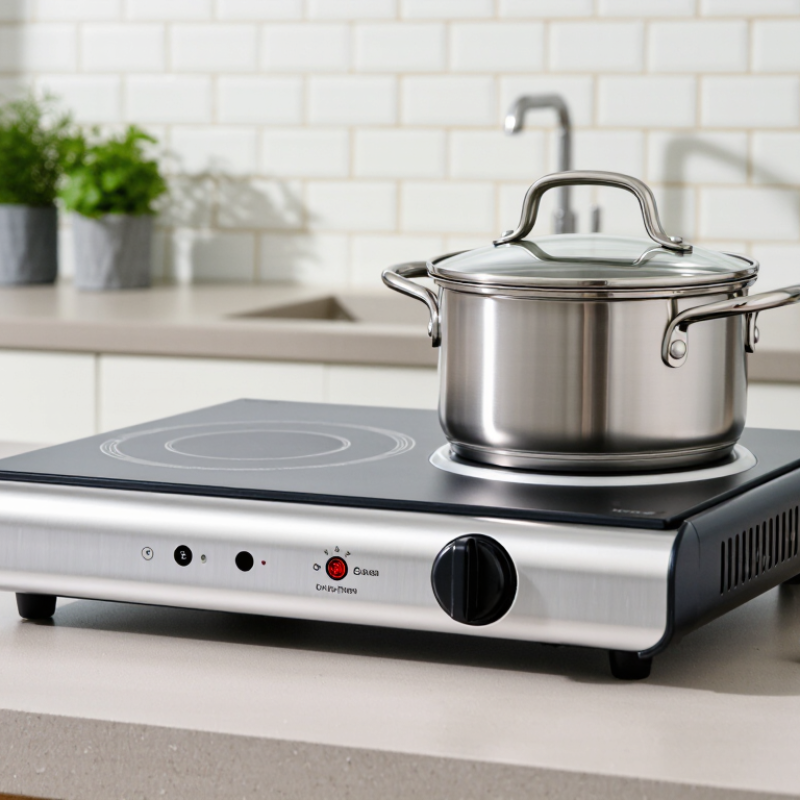
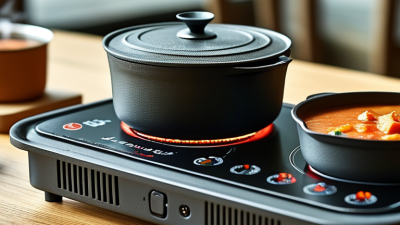
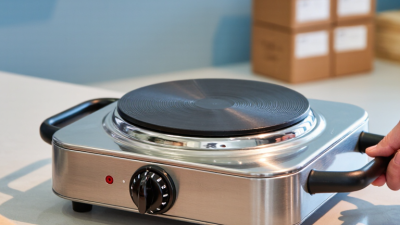
A portable heat plate is a compact electric cooking device with a flat heating surface. It warms cookware without needing a built-in stove. Most models use a metal coil, ceramic element, or induction system beneath the surface. A control dial or digital panel adjusts the temperature.
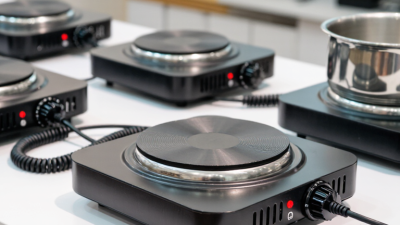
The unit usually includes a power cord, heat-resistant housing, and a stable base. Some models heat one pan, while larger versions support two. Induction plates heat compatible magnetic cookware directly, while traditional plates transfer heat through the surface. This difference affects cooking speed and energy use. Check the cookware requirement before buying.
In my experience, a portable heat plate is useful in small kitchens, offices, workshops, and temporary cooking areas. It can simmer soup, warm sauces, or fry an egg on a steady surface. Small, but useful. I once assumed a higher wattage always meant better cooking. That was too simple. Temperature control, pan size, and heat distribution matter just as much.
Place the plate on a dry, level, heat-resistant surface. Keep paper, fabric, and loose packaging away from the hot area. Never leave active heating unattended, even during a short task. After cooking, switch it off and allow the surface to cool fully. A dependable model should have clear controls, stable feet, and documented electrical safety information. A little caution prevents avoidable damage.
| Evaluation Dimension | Typical Characteristics | Why It Matters |
|---|---|---|
| Definition | A compact electric cooking appliance with one or more heated surfaces that can be placed on a countertop. | It provides a cooking surface without requiring a built-in range or permanent installation. |
| Portability | Most models are compact and commonly weigh approximately 1.5–5 kg, depending on the number and type of heating elements. | The unit can be moved between rooms, stored in a cabinet, or transported for temporary cooking needs. |
| Power Requirement | Many household models operate from a standard electrical outlet and typically use about 1,000–1,800 watts per heating element. | It is suitable for locations with electrical access, but the circuit should support the appliance’s rated load. |
| Heating Technology | Common types include electric coil, radiant ceramic, and induction heating. Induction requires compatible magnetic cookware. | The technology affects heating speed, cookware compatibility, surface temperature, and energy use. |
| Temperature Control | Models may use adjustable knobs, buttons, or digital controls with several heat settings. | Adjustable heat supports cooking tasks such as simmering, sautéing, boiling, and warming. |
| Cooking Capacity | A single-burner unit generally accommodates one small or medium pan; dual-burner units support two pans at the same time. | Capacity helps determine whether the appliance is appropriate for individual meals, small households, or temporary food preparation. |
| Common Applications | Useful for small kitchens, dormitories, offices, workshops, outdoor shelters with safe electrical access, and supplementary cooking. | It adds cooking flexibility where a full-size stove is unavailable, inconvenient, or temporarily out of service. |
| Safety Features | Depending on the model, features may include overheat protection, non-slip feet, indicator lights, automatic shutoff, and residual-heat warnings. | These features can reduce operational risks, but the hot surface and cookware still require careful handling. |
| Ease of Cleaning | Smooth ceramic or induction surfaces are generally easier to wipe than exposed electric coils. | A simple surface can reduce cleanup time, although spills should be removed only after the appliance has cooled. |
| Main Advantages | Compact footprint, simple installation, flexible placement, lower initial space requirement, and convenient storage. | These benefits make a portable heat plate practical for temporary, limited-space, or supplemental cooking. |
| Important Limitations | It may provide less cooking capacity than a full-size range, require compatible cookware, and use substantial electrical power during operation. | Checking outlet capacity, ventilation, cookware compatibility, and the manufacturer’s safety instructions is essential before use. |