+852 60984748
A Stove Heating Element may look like a simple glowing ring, yet it performs a carefully controlled electrical task. This component changes electrical energy into heat through resistance. When current passes through its metal coil, the coil resists that movement and becomes hot. That heat transfers to a pan, then into the food. Simple physics. Practical results.
Paul Hope, a senior home editor at Consumer Reports, explains the principle clearly: “Electric range elements turn electrical energy into heat through electrical resistance.” His observation helps homeowners understand why a damaged coil may heat unevenly, glow in patches, or stop working completely. The visible glow is not the cooking process itself. It is evidence of high temperature.
This guide explores what happens inside a Stove Heating Element, from power delivery to temperature control. It also considers radiant elements, smooth-top heating zones, and the role of thermostats or electronic sensors. A traditional coil may respond differently from a ceramic glass surface. That difference matters.
Real kitchens are less predictable than diagrams. A heavy pan can slow heating. A loose connection can create dangerous hot spots. Even a clean-looking element may hide internal damage. For that reason, safe inspection requires switching off power and following the manufacturer’s instructions. Guessing is not a repair method.
The goal is understanding, not blind confidence. Once the heating path becomes clear, troubleshooting feels less mysterious. It also becomes easier to recognize when professional service is the wiser choice.
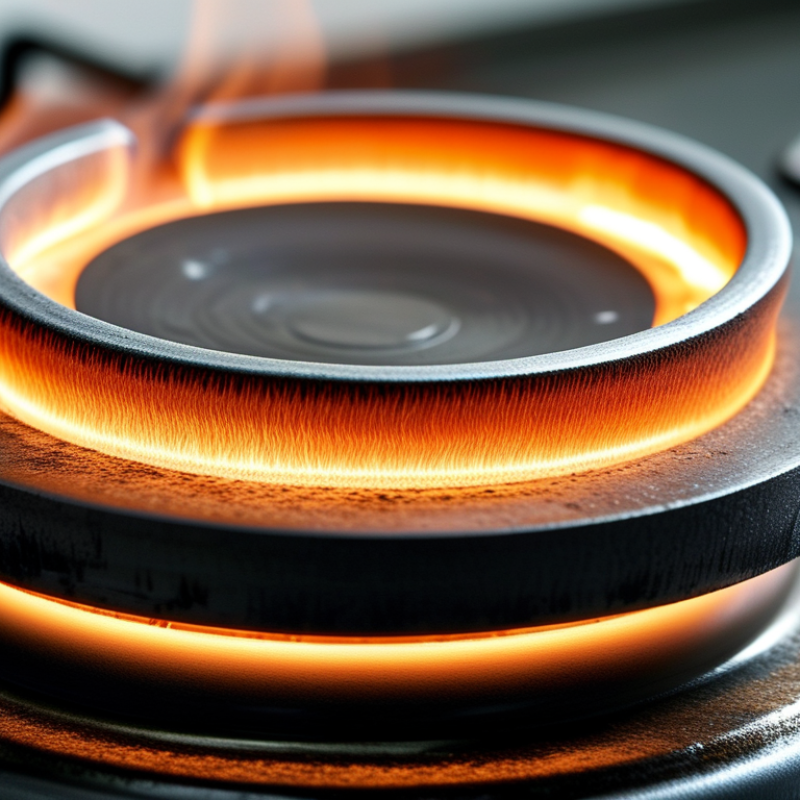
A stove heating element is the component that turns electrical energy into cooking heat. It usually contains a high-resistance metal wire inside a protective metal tube. On some stoves, the wire forms a visible coil. On others, it sits beneath a smooth ceramic-glass surface. When electricity passes through the wire, resistance creates heat. That heat warms a pan placed above it.
The control knob adjusts the element’s temperature by regulating power. Many elements switch on and off in short cycles, rather than producing constant heat. You may notice a red glow, followed by a darker pause. This is normal. I once assumed a heating element was simply a metal coil, but that view is incomplete. The hidden parts also include insulation, terminals, and temperature controls. A damaged terminal can cause uneven heating, strange smells, or complete failure.
Tips: Keep the pan flat and close to the element for better heat transfer. Wipe spills after the surface cools. Never pour cold water onto hot glass, because sudden temperature changes may cause cracking. If an element stays cold, sparks, or shows broken insulation, disconnect power and seek qualified service. Avoid testing exposed wiring yourself. A small fault can become dangerous quickly.
A stove heating element is a resistive component that turns electrical energy into heat. Its main part is a metal coil or flat heating ribbon. When electricity passes through this conductor, resistance produces heat. The element can glow orange during high-temperature cooking, though visible color is not a perfect safety test.
Several supporting parts make this process reliable. Ceramic or heat-resistant supports hold the coil above the cooking surface. Terminal posts connect the element to the stove’s wiring. These connections must remain tight and free from burn marks. Some designs also include a limiter or temperature sensor, which interrupts power when the surface becomes excessively hot. Beneath the visible section, insulation helps protect nearby wiring and metal panels. In practice, a damaged insulator may be easy to overlook. It can still affect performance.
Tips: Turn off the circuit breaker before inspecting any component. Never rely only on the control knob. Look for uneven heating, cracks, loose terminals, or a burnt odor. A multimeter can test continuity, but the reading must match the element’s specifications. If the element heats only on one side, the problem may involve the coil, connector, or control circuit. Diagnosis is not always obvious. Photograph the wiring before removal, and let a qualified technician handle uncertain electrical repairs.
A stove heating element converts electrical energy into heat through resistance. When you turn the control, electricity travels through a tightly coiled metal conductor. The conductor resists the moving current, and that resistance creates heat. This process is called resistive heating.
The coil often contains a high-resistance alloy that can tolerate very high temperatures. As the current passes through it, the coil may glow orange or red. It then transfers heat in three ways: radiation reaches the pan directly, conduction moves heat through the pan, and warm air circulates around it. The pan’s material and flatness affect how evenly this heat spreads.
A thermostat or electronic sensor helps regulate the temperature. It switches power on and off, rather than producing a perfectly steady heat level. A burner can look dark while remaining dangerously hot. I once assumed a dark coil was cool, but that was an unsafe shortcut. The glass surface can also hold heat after cooking ends. Never test warmth with bare fingers. Use the control setting, visual changes, and a proper kitchen thermometer instead. A loose connection or damaged coil may heat unevenly, waste energy, or create a safety risk. In that case, stop using the stove and arrange a qualified inspection.
A stove heating element converts electrical energy into heat. On a radiant cooktop, electricity travels through a metal coil or flat heating strip. Resistance in the metal produces heat, much like a glowing wire. That heat moves into the pan and then into the food.
Heat control is more gradual than many people expect. Turning the knob changes the element’s power level, not the food’s temperature directly. At a high setting, the element heats quickly and cycles less often. At a lower setting, a thermostat may switch power on and off to maintain an average temperature. The surface can remain hot even after the indicator light turns off. It is easy to misread that pause.
Some cookers use electronic controls to adjust power in short intervals. This helps manage simmering, melting, and gentle reheating. However, a thin pan may react too quickly, while a heavy pan stores heat longer. The selected setting is only part of the result. Pan material, food volume, and room temperature also matter. In practical cooking, small adjustments usually work better than sudden changes.
Tips: Preheat the pan briefly, then lower the setting when food begins to sizzle. Use a flat-bottomed pan for better contact. Move the pan away from the element when cooking must stop immediately. Never touch the surface by hand; residual heat can cause serious burns. If heating becomes uneven or unpredictable, stop using the cooker and arrange a qualified inspection.
A stove heating element converts electrical energy into heat through resistance. On a radiant electric range, a damaged coil may stay cold, heat unevenly, or cycle too often. A glowing surface is not proof of safety. Internal insulation can fail without visible cracks. In my repair experience, loose terminals often mimic a failed element. Diagnosis is not always neat. Use a multimeter only after disconnecting power and following the service instructions. Never test a live circuit casually.
Common problems include burned connectors, warped coils, failed temperature sensors, and switches that stick. Grease and boiled-over water can carbonize around electrical contacts. That creates heat at the connection, not in the pan. The National Fire Protection Association’s Home Cooking Fires report, based on 2017–2021 U.S. data, estimated 158,400 home cooking fires annually. These fires caused about 530 deaths and 4,820 injuries each year. The report does not prove every fire involved a heating element. Still, it shows why delayed repairs deserve attention.
Tips: Turn off the breaker before inspection. Let the surface cool completely. Check for pitting, dark terminals, and uneven heating. Replace heat-damaged wiring, not only the visible element. A qualified technician should compare resistance readings with the service manual. If the breaker trips repeatedly, stop using the stove. A cheap replacement can become an expensive mistake.