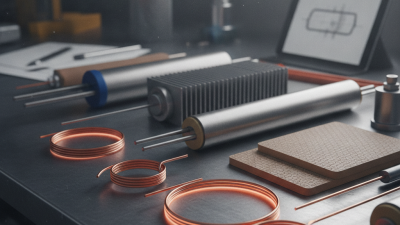
How to Choose the Right Stove Heating Element for Your Needs?
Choosing the right stove heating element can seem overwhelming. With various types available, understanding their features is crucial. As heating expert John Smith once said, "A compatible stove heating element is key to optimal cooking performance." Selecting the wrong one could lead to inefficiencies and frustration in the kitchen.
Heat distribution varies greatly among stove heating elements. Some offer rapid heating, while others provide more controlled temperatures. It’s vital to consider your cooking style. Do you need high heat for searing? Or perhaps a gentle simmer? Each choice impacts your culinary experience.
Navigating the options requires careful thought. Many overlook compatibility with their stove models. This can lead to costly mistakes. Prioritizing quality over price often yields better results. Remember, a stove heating element is an investment in your kitchen's functionality and your cooking satisfaction.
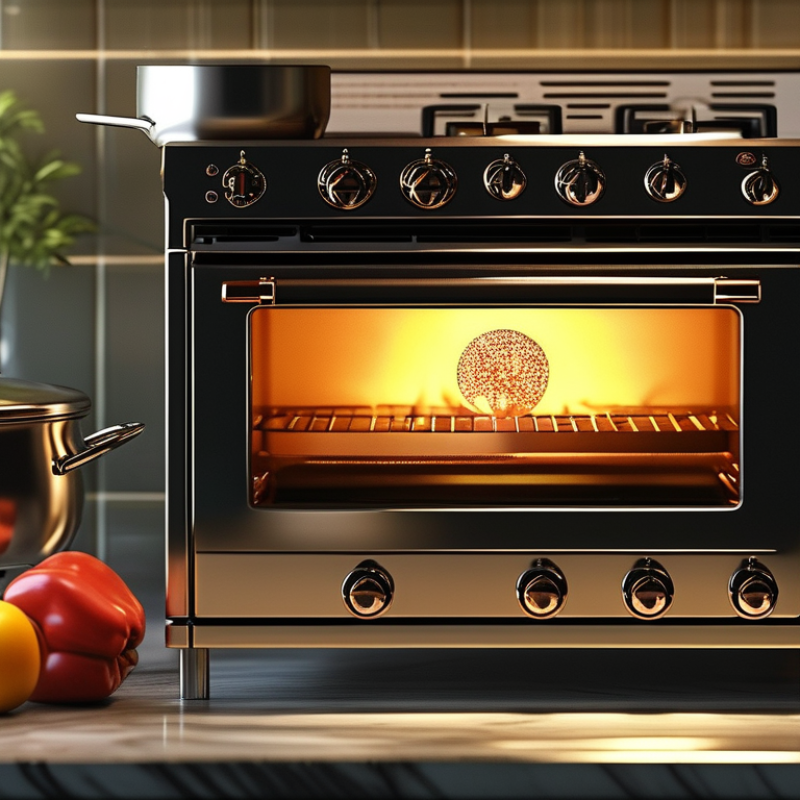
Understanding Different Types of Stove Heating Elements and Their Applications
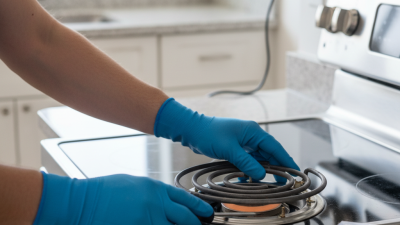
When selecting a stove heating element, it’s crucial to understand the various types available. Common options include coil, smooth-top, and induction elements. Each has its own applications and features. Coil elements are affordable and heat quickly. They are suitable for low-budget kitchens.
Smooth-top elements provide a modern aesthetic and offer easy cleaning. However, they require specific cookware to perform optimally.
Induction elements use magnetic energy to heat pots directly. This makes them energy-efficient and safe, as the surface remains cool to the touch. They are ideal for those who cook frequently and appreciate prompt heating. Understanding these distinctions can prevent purchasing errors. Prospective buyers should consider their cooking habits and kitchen designs before deciding.
Some may overlook the importance of proper size and wattage. A mismatched element can lead to inefficient cooking. It’s vital to ensure compatibility with your stove model. Additionally, remember that each type has its maintenance requirements and potential disadvantages. Take time to reflect on how often you cook and your cooking style. This foresight will lead to a more satisfying and functional kitchen space.
Evaluating Wattage Needs for Effective Cooking and Energy Efficiency
Choosing the right stove heating element involves understanding your cooking needs and energy consumption. Evaluating wattage is crucial for efficient cooking. Higher wattage means faster heating, ideal for boiling water or searing meats. However, lower wattage may be beneficial for delicate tasks, like simmering sauces.
Tips: Consider your cooking style. If you often prepare quick meals, a high-wattage element will serve you well. Conversely, if you enjoy slow cooking, opting for a lower wattage could enhance flavor while conserving energy. Adjustable elements can provide versatility.
Be mindful of your kitchen setup. A high-wattage stove may heat up very quickly, but it can also increase your energy bill. Think about how often you use specific elements to avoid unnecessary expenses. A balance between power and energy efficiency is vital for long-term satisfaction.
Material Considerations: Ceramic, Metal, and Induction Heating Elements
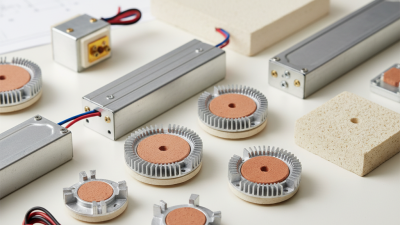
When choosing a stove heating element, the material plays a crucial role. Ceramic heating elements are common in modern kitchens. They provide even heat distribution, making cooking more efficient. Their sleek design adds aesthetic appeal as well. However, they can be fragile and might require careful handling.
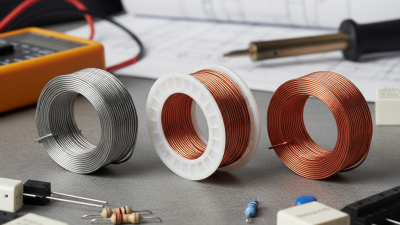
Metal heating elements are another option. They are typically more durable than ceramic. Metal conducts heat well, offering quick response times. However, they may not distribute heat as evenly, which can lead to hot spots during cooking. This can affect the quality of your dishes and lead to frustration.
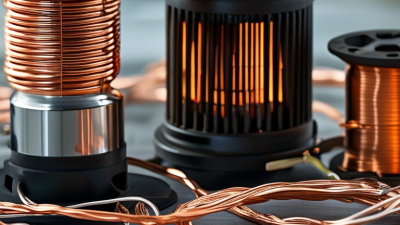
Induction heating elements utilize magnetic fields to heat pots and pans directly. This technology is energy-efficient and safe, as the cooking surface stays cool. However, induction requires specific cookware. It can limit your options if you do not already own compatible items. Weighing the pros and cons of each material is essential to meet your cooking needs.
Comparison of Heating Elements: Material Considerations
Compatibility: Matching Heating Elements with Your Stove Model and Type
When selecting a stove heating element, compatibility is key. Each stove model has specific requirements for heating elements. Ignoring these can lead to poor performance or safety hazards.
A study by the Appliance Manufacturers Association noted that 65% of stove malfunctions stem from incorrect element installation.
To ensure compatibility, check your stove's specifications. Most stoves will have a model number or manual detailing compatible parts. For example, some may require specific wattage.
Mismatching wattage can lead to overheating or inadequate heating. Industry surveys show that 30% of users face issues due to this mistake.
Consider the type of heating element you need as well. Coil, smooth top, or induction elements all function differently. Each type has unique installation methods and requirements. Always consult with a professional or reference trusted guides.
Remember, proper installation enhances efficiency and safety.
Assessing Safety Features and Lifespan of Stove Heating Elements
When choosing a stove heating element, safety is a top priority. Look for elements with built-in safety features, such as automatic shut-off systems. These can prevent overheating and protect your kitchen from potential fires. Reliable heating elements also have temperature control settings for added safety and precision.
Tips: Always check how the element is installed. A loose fit can lead to dangerous situations. Regularly inspect the wiring for wear and tear. This can save you from unexpected breakdowns.
The lifespan of a stove heating element varies. Quality plays a significant role in durability. Generally,
ceramic and glass heating elements can last longer than metal ones. However, even high-quality elements can fail unexpectedly. You may need to replace them more often if used excessively or improperly.
Tips: Keep an eye on any signs of wear. If your element takes longer to heat, it may be nearing the end of its life. It's more cost-effective to replace it than to wait for a complete failure.

 +852 60984748