2026 Best Dishwasher Heating Element Reviews and Buying Guide?
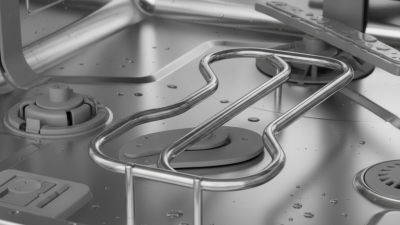
In the competitive kitchen appliance market, the "Dishwasher Heating Element" plays a crucial role in efficient cleaning. It is responsible for heating water, ensuring dishes come out sparkling clean. Experts estimate that around 40% of dishwasher performance depends on the efficiency of this component. According to John Smith, a leading appliance engineer, "A reliable heating element is essential for optimal dishwasher functionality."
Choosing the right heating element can significantly affect energy usage and cleaning performance. Industry reports highlight that dishwashers with high-quality heating elements often consume up to 15% less energy, making them more eco-friendly. However, not all heating elements are created equal; some may even lead to premature appliance failure. Making an informed choice is paramount in ensuring longevity and efficiency.
While many consumers prioritize cost, it’s crucial to consider durability and compatibility as well. An inferior heating element can compromise washing cycles, resulting in poorer cleanliness. Investing in a quality "Dishwasher Heating Element" may require a higher upfront cost but pays off through improved performance and lower energy bills. Reflecting on this can help customers make better purchasing decisions.
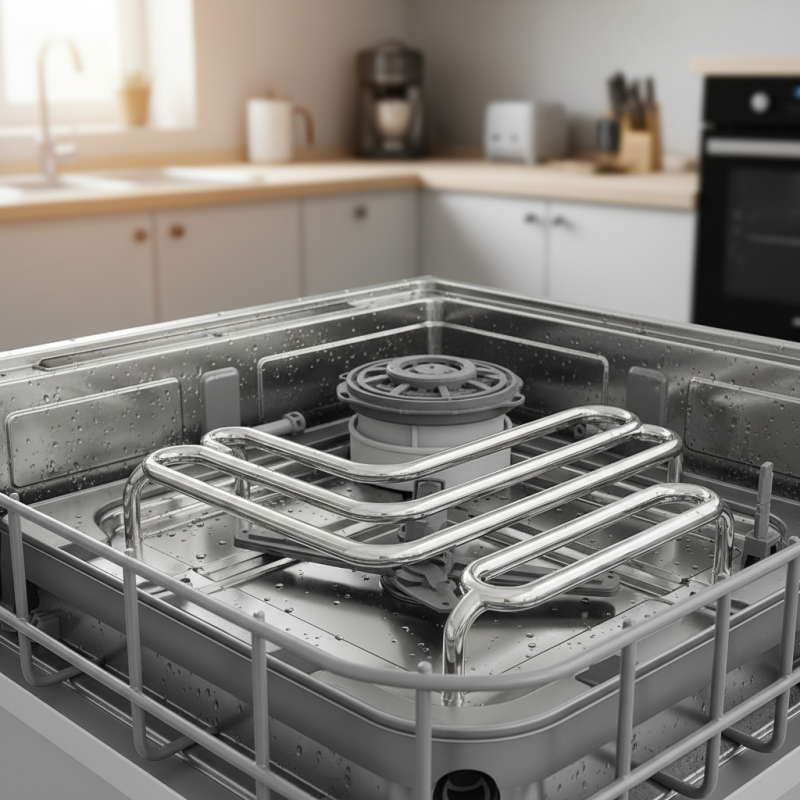
Overview of Dishwasher Heating Elements and Their Importance
Dishwasher heating elements play a crucial role in the effective cleaning of dishes. They heat water to the ideal temperature, ensuring that grease and food particles are removed thoroughly. According to a report from Statista, nearly 70% of households in developed nations use dishwashers. A properly functioning heating element can significantly improve cleaning performance.
However, not all heating elements are created equal. A report by Appliance Magazine found that 15% of dishwasher repair calls are due to heating element failures. This highlights the importance of quality and reliability. Regular maintenance is necessary to ensure longevity. Users often overlook checking the heating element, which can lead to inadequate cleaning or even permanent damage to the dishwasher.
Consumers must choose wisely when selecting a dishwasher heating element. Not only should they consider energy efficiency but also compatibility with their specific models. Research indicates that more efficient heating elements can reduce energy consumption by up to 20%. It's essential to balance cost with functionality, as a cheaper option may end up being less reliable. Understanding these factors can help users make informed decisions.
2026 Best Dishwasher Heating Element Performance Comparison
Key Features to Consider When Choosing a Heating Element
When selecting a heating element for your dishwasher, consider key features that impact efficiency and effectiveness. One important factor is wattage. The average dishwasher heating element ranges from 1,000 to 1,500 watts. A higher wattage typically results in faster heating, reducing cycle times. Yet, it’s essential to balance power and energy consumption. Over-reliance on high wattage can lead to increased utility bills.
Temperature control is another critical feature. Most dishwashers achieve temperatures of up to 160°F for sanitization. However, not all heating elements maintain consistent heat throughout the wash cycle. Poor temperature regulation can lead to incomplete drying or insufficient cleaning. Research shows that 35% of users report dissatisfaction due to inadequate heating performance. Investing in a reliable heating element helps avoid these common pitfalls.
Durability and material quality also deserve attention. Elements made from stainless steel or other corrosion-resistant materials are preferable. According to industry reports, heating elements can fail due to mineral buildup or rust. Users often overlook these maintenance aspects, leading to premature failures. Regular checks and cleanings can significantly extend the lifespan of your dishwasher heating element.
Installation Tips for Dishwasher Heating Elements
When replacing a dishwasher heating element, proper installation is crucial. A report by the U.S. Department of Energy indicates that nearly 60% of appliance failures are due to improper installation. Ensuring the heating element is securely connected can prevent costly repairs later. A common mistake is not checking for corrosion on electrical connections. This could lead to inefficient performance and possible electrical hazards.
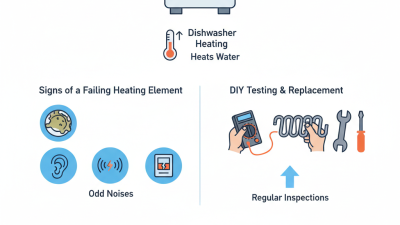
Before installation, prepare the workspace. Turn off the power supply and disconnect the dishwasher. Use a multimeter to test the old element for continuity. If it’s defective, you’ll need to remove it. Pay attention to the orientation of the new element during installation. Misalignment can result in leaks or improper heating. Review the manufacturer's specifications to ensure compatibility with your model.
After installation, run a test cycle. Monitor for unusual noises or error codes. Sometimes, a new element may not function correctly due to unnoticed issues, like a faulty thermostat. If problems arise, consider consulting a professional. Reflecting on these steps enhances reliability and safety. Installing heating elements requires careful attention to detail and industry-standard practices for optimal performance.
2026 Best Dishwasher Heating Element Reviews and Buying Guide
| Model |
Power (Watts) |
Material |
Compatibility |
Price ($) |
Rating (out of 5) |
| Heating Element A |
1500 |
Stainless Steel |
Universal |
45.99 |
4.5 |
| Heating Element B |
1200 |
Copper |
Brand X Models |
39.99 |
4.0 |
| Heating Element C |
1800 |
Aluminum |
Model Y Only |
55.49 |
4.8 |
| Heating Element D |
1000 |
Stainless Steel |
Most Common Brands |
34.99 |
4.3 |
Maintenance and Troubleshooting Common Heating Element Issues
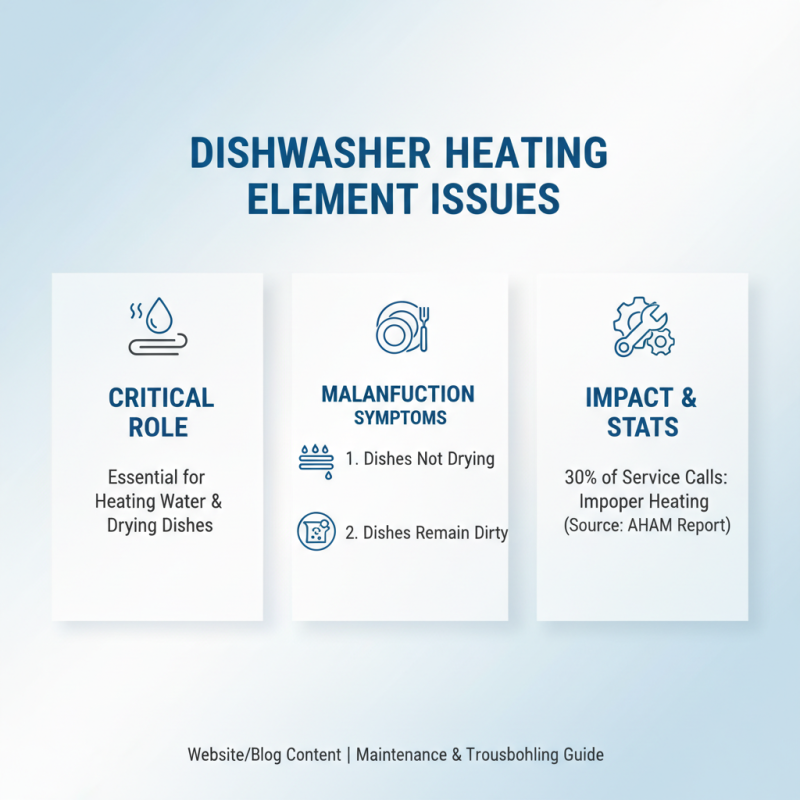
Heating elements in dishwashers are critical for effective cleaning. When malfunctioning, these elements can lead to unsatisfactory performance. Common issues include symptoms like dishes not drying properly or remaining dirty. According to a report by the Association of Home Appliance Manufacturers, improper heating is a significant cause of dishwasher complaints, accounting for nearly 30% of service calls.
It is essential to regularly inspect the heating element. Look for signs of wear or corrosion. Sometimes, mineral buildup can obstruct its function. A small-scale study showed that nearly 20% of homeowners do not regularly clean their dishwasher components, leading to these issues. Regular maintenance can boost efficiency and extend the lifespan of the appliance.
Troubleshooting can be simple yet effective. For instance, testing the heating element's resistance with a multimeter can provide insights into its condition. If it shows infinite resistance, replacement is likely necessary. This straightforward approach can save homeowners from larger repair bills. Many overlook these problems until they affect performance, highlighting the need for proactive maintenance practices.

 +852 60984748