2026 Best Hot Plate Heater Options for Global Buyers?
As the demand for cooking appliances grows worldwide, the “Hot Plate Heater” market has witnessed significant expansion. According to a recent market analysis by IDTechEx, the global hot plate heater sector is projected to reach a valuation of $1.8 billion by 2026. This surge is driven by urbanization and shifting consumer preferences towards compact and efficient cooking solutions.
In diverse markets, the adoption of hot plate heaters reflects changing lifestyles. With cooking habits evolving, this appliance offers convenience and versatility. However, some users report issues related to energy efficiency and heat distribution. These challenges indicate a need for continuous innovation in this competitive landscape.
Buyers should be aware of key factors while selecting a hot plate heater. Features such as temperature control, safety mechanisms, and portability influence purchasing decisions. Potential users must weigh performance against price. This careful evaluation can lead to improved user satisfaction and enhance cooking experiences.
Overview of Hot Plate Heaters and Their Importance
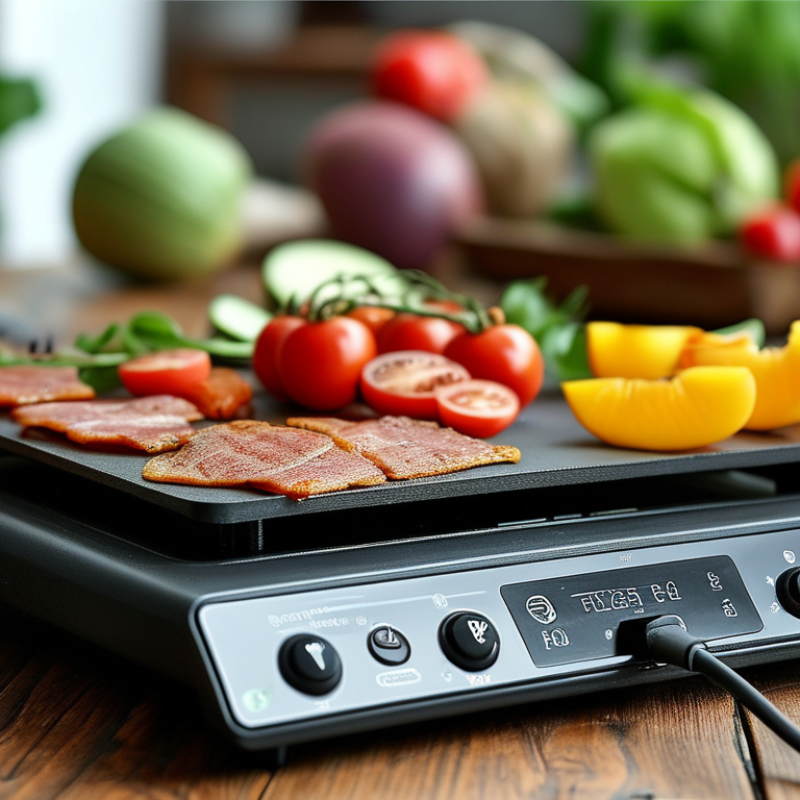
Hot plate heaters have become essential tools for kitchens and laboratories worldwide. They offer versatility for cooking, heating, and experimentation. According to a recent industry report, the global hot plate market is projected to grow by 5.2% annually, driven by increasing demand in both commercial and residential sectors.
These heaters provide significant advantages over traditional cooking methods. They maintain consistent temperatures, which is critical for many scientific applications. However, the choice of materials and designs can impact performance and safety. For instance, some models may not distribute heat evenly, leading to hot spots or inefficient cooking. Users should consider features like temperature control and surface material when choosing a hot plate, as these elements influence durability and effectiveness.
While many users appreciate the convenience of hot plates, there are potential drawbacks to be mindful of. Overheating can cause damage or reduce lifespan. Additionally, hot plates may not be suitable for all types of cookware, particularly those that require specific heat sources. Understanding these limitations allows buyers to make informed decisions that align with their needs. Keeping up with evolving technology and user feedback is essential for selecting the best options on the market.
Key Features to Consider When Choosing a Hot Plate Heater
When choosing a hot plate heater, several key features should be considered. Look for adjustable temperature settings that allow for precise heating. This control ensures consistent cooking results, whether you’re simmering sauces or searing meats. A reliable thermostat can help maintain stable temperatures throughout your cooking process, avoiding unintentional burns or undercooked dishes.
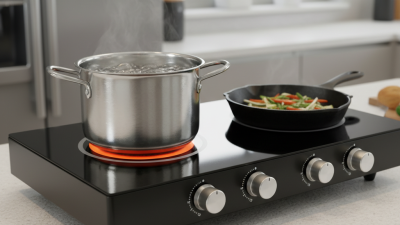
Another important aspect is the heating surface material. Stainless steel is durable and easy to clean, while ceramic provides even heating and aesthetic appeal. Pay attention to the wattage as well; higher wattage means faster heating. Be mindful of the size and weight if portability is a necessity. Small units are suitable for tight spaces or travel, though they may lack power.
Lastly, consider safety features. Automatic shut-off can prevent overheating, a crucial element for kitchen safety. Heat-resistant handles can protect you from burns while moving a hot plate. Understanding these features enhances your experience, though the selection process can feel overwhelming. Reflecting on your cooking style can simplify your decision.
2026 Best Hot Plate Heater Options Comparison
Top Brands and Models of Hot Plate Heaters for 2026
In 2026, hot plate heaters remain a key appliance for kitchens worldwide. Their versatility makes them perfect for small spaces, camping, or as an additional cooking surface. Different models are available to meet various cooking needs. Some designs offer faster heating and precise temperature control, while others focus on ease of use and portability.
When exploring options, it is essential to look for safety features. Automatic shut-off mechanisms enhance reliability. Moreover, durable materials contribute to longevity. Not every model excels in every aspect. Some may lack even heating, which leads to unevenly cooked meals. Similarly, certain designs may take longer to cool down, posing a risk if not monitored.
Buyers should also consider energy efficiency. Models vary greatly in energy consumption. Some are surprisingly economical, while others can drive up your electricity bill. Understanding these details helps in making an informed decision. Evaluating user reviews offers real-world insights. They reveal common problems. Addressing these small flaws can refine your experience and overall satisfaction with the hot plate heater.
Comparative Analysis of Electric vs. Induction Hot Plate Heaters
Choosing between electric and induction hot plate heaters requires careful consideration. Electric hot plates are often more affordable. They operate using traditional heating elements, which make them easier to use for many people. However, they can take longer to heat up and may consume more energy over time.
Induction hot plates utilize electromagnetic technology. This method heats cookware directly and is generally more energy-efficient. Induction models often boast faster heating times and precise temperature control. However, they require compatible cookware made from ferrous materials, which can limit options. Users may need to invest in new pots and pans.
It’s essential to consider your cooking habits when selecting a heater. If quick meals are a priority, induction may be your best bet. For occasional use, an electric model might suffice. Remember that safety features are vital in any hot plate. Look for models with automatic shut-off options to prevent overheating. Be mindful of how you maintain these appliances, as proper care can prolong their life.
Customer Reviews and Ratings of the Best Hot Plate Heaters in 2026
Finding the best hot plate heater can be daunting for many customers. It’s essential to look at user reviews and ratings when making a purchase. This year, many buyers have shared their experiences, revealing both satisfaction and areas for improvement. Certain models received high praise for their quick heating capabilities. Users often noted how well these heaters maintain consistent temperatures.
Yet, not all reviews are glowing. Some customers expressed frustration with their product’s durability. Several models faced issues with overheating or electrical failures. These concerns highlight the necessity of thorough research before investing. A solid understanding of other users’ experiences can guide new buyers to make informed choices.
In evaluating hot plate heaters, pay attention to design and safety features. Some consumers appreciate compact designs that fit into tight spaces. Others seek models with auto shut-off features for added safety. Overall, approaching customer feedback with discernment is key. Not every review may represent the wider user experience. It’s crucial to weigh these insights carefully when deciding on the ideal hot plate heater for your needs.
2026 Best Hot Plate Heater Options for Global Buyers
| Model |
Size |
Wattage |
Material |
Price |
Customer Rating |
| Model A |
Compact |
1000W |
Stainless Steel |
$49.99 |
4.5/5 |
| Model B |
Standard |
1500W |
Ceramic |
$69.99 |
4.7/5 |
| Model C |
Large |
1800W |
Aluminum |
$89.99 |
4.8/5 |
| Model D |
Mini |
600W |
Glass |
$29.99 |
4.2/5 |

 +852 60984748