Why Choose the Right Stove Heating Element for Your Cooking Needs?
Choosing the right stove heating element is crucial for any kitchen. A suitable heating element can enhance your cooking experience. It influences both the speed and quality of your meals.
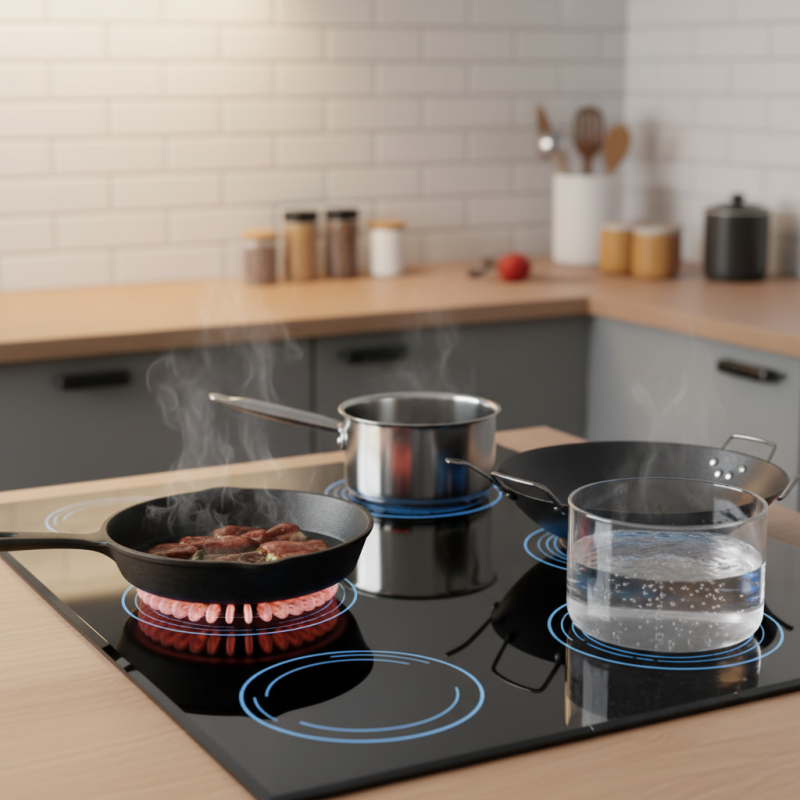
Different types of stove heating elements offer unique benefits. For example, coil elements heat up quickly but may not distribute heat evenly. On the other hand, ceramic and induction elements provide more precise temperature control. Each type has its strengths and weaknesses.
Consider your cooking style and preferences. Do you often prepare elaborate meals? Or do you prefer quick, everyday dishes? Reflecting on these questions can guide your choice. Not every stove heating element will suit everyone's needs. It's essential to find the perfect match for your cooking journey.
Understanding Different Types of Stove Heating Elements Available
When selecting a stove heating element, understanding the available types is vital. Electric coils are common in many homes. These coils heat up quickly and provide direct heat. However, they can be challenging to clean due to their design. Their efficiency might make them appealing, but their longevity varies greatly.
Another option is smooth-top stove elements. These ceramic surfaces look sleek and modern. They distribute heat evenly but may take longer to heat up. Users often find them easier to clean than coil versions. Yet, they can also sustain scratches and require careful handling.
Induction heating elements are gaining popularity. They cook food faster by using magnetic technology. This technology only heats the pan, not the stovetop. This leads to safer cooking, but induction requires compatible cookware. Prospective users should consider their cooking habits and preferences. Each type has unique advantages and downsides that require reflection.
Why Choose the Right Stove Heating Element for Your Cooking Needs? - Understanding Different Types of Stove Heating Elements Available
| Type of Heating Element |
Material |
Efficiency |
Heat Distribution |
Common Uses |
| Coil Element |
Metal |
Moderate |
Uneven |
Basic cooking, boiling |
| Ceramic Element |
Ceramic glass |
High |
Even |
Baking, simmering |
| Induction Element |
Copper, aluminum |
Very high |
Very even |
Energy-efficient cooking, precise temperature control |
| Halogen Element |
Glass, metal |
High |
Good |
Grilling, baked dishes |
Factors to Consider When Choosing a Stove Heating Element
When choosing a stove heating element, several critical factors come into play. One of the most essential is the type of cooking you do. Gas, electric, and induction stoves require different heating elements. According to the U.S. Department of Energy, induction cooktops can be 70% more energy-efficient than traditional electric options. This efficiency should influence your decision based on your cooking habits and energy consumption preferences.
Another factor is the size and compatibility of the element with your stove. Standard sizes can vary, and it's crucial to measure your stove's specifications carefully. According to the National Fire Protection Association, improper installation can lead to hazards. Always consult the stove manual or a professional if you are unsure.
Lastly, consider the material of the heating element. Materials like ceramic and aluminum heat differently, which can impact cooking performance. Some cooks may find that a slow-heating element gives them more control, while others prefer quick heat-up times. It’s essential to reflect on your cooking style and whether the time factor is vital for you. Always weigh the pros and cons and make an informed decision based on reliable data.
Evaluating Your Cooking Style and Food Preparation Needs
When evaluating your cooking style and food preparation needs, consider how you cook daily. Do you often sauté vegetables, simmer sauces, or bake desserts? Each method requires different heat levels and element types. A quick stir-fry needs high heat for a short time, while slow simmering benefits from low, steady warmth. Knowing your preferred techniques helps in selecting the right stove heating element.
It’s essential to reflect on the types of dishes you prepare regularly. Some cooks favor roasting, which requires consistent heat across a wider surface. Others may opt for grilling or frying, focusing on precision. Think about how often you need to adjust the heat. If you find yourself constantly turning knobs or shifting pots, your current setup may not suit your needs.
Taking time to assess your culinary habits can lead to better food outcomes. Sometimes, experimenting with different elements reveals what you truly enjoy. Remember, even experienced chefs can take time to adapt their methods and preferences. Making the right choice elevates your cooking experience and enhances your meals. Consider where adjustments are needed for improvement.
Comparing Efficiency and Performance of Heating Elements
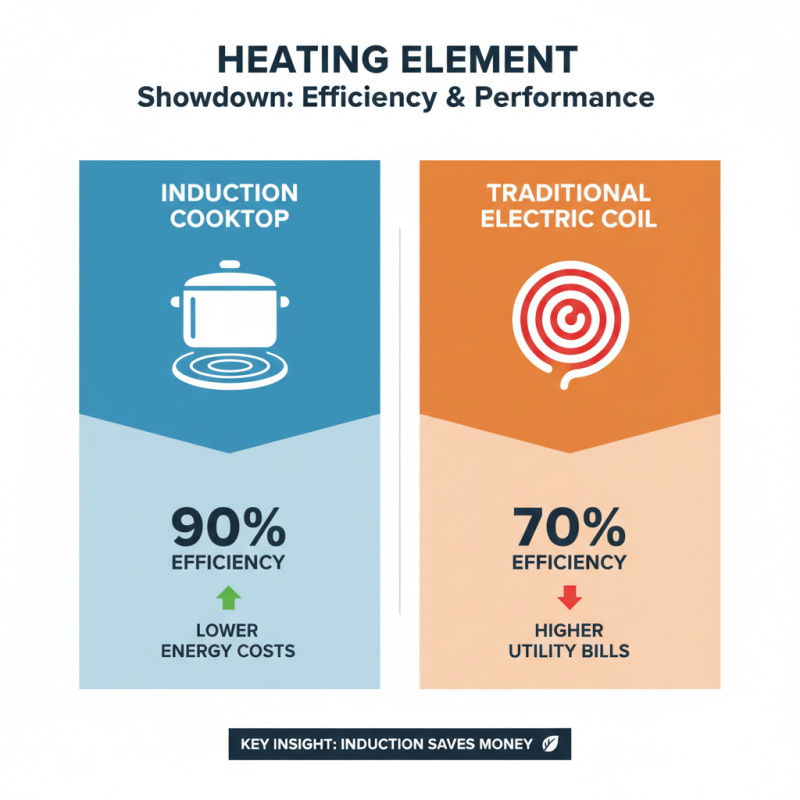
When selecting a stove heating element, efficiency and performance are vital considerations. Research indicates that induction cooktops, for example, are about 90% efficient. This efficiency is crucial for those looking to reduce energy costs. In contrast, traditional electric coils often hover around 70% efficiency. This unwanted energy loss can lead to increased utility bills over time.
Moreover, the performance of heating elements varies significantly. Induction heating offers rapid temperature changes, allowing for quick adjustments during cooking. On the other hand, electric resistance elements may take longer to reach the desired temperature. A survey of culinary professionals revealed that 85% prioritize rapid heat response when choosing a heating element. This preference highlights a clear trend toward efficient cooking solutions.
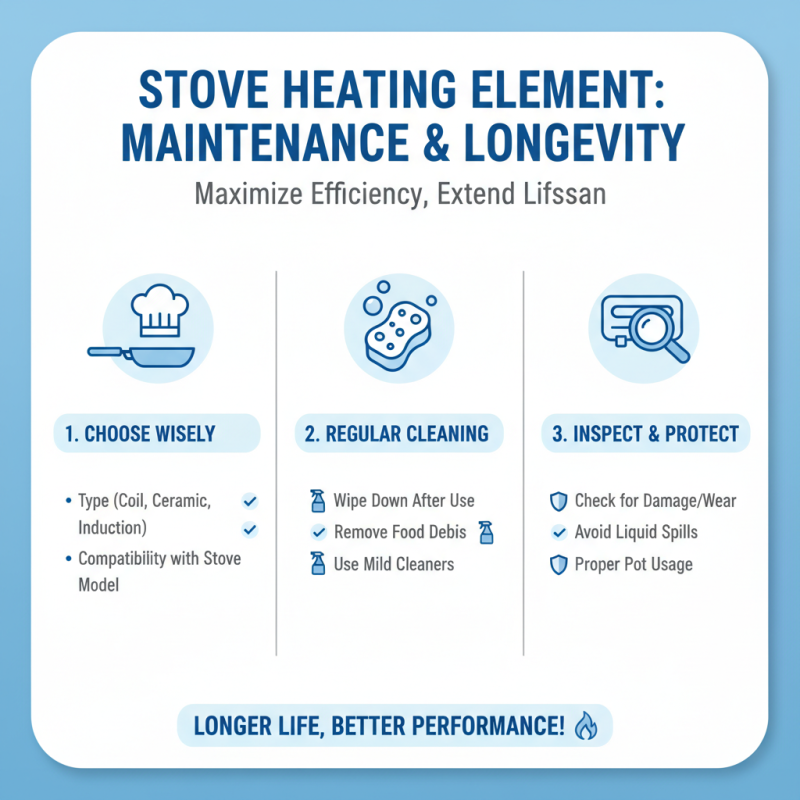
Choosing the right heating element also involves considering maintenance. For example, some heating technologies require more frequent cleaning to maintain optimal performance. While induction cooktops might seem modern, their specialized cookware could complicate replacements. Understanding these nuances helps consumers make informed decisions based on cooking needs and lifestyle.

 +852 60984748