How to Choose the Best Electric Heating Element for Your Needs?
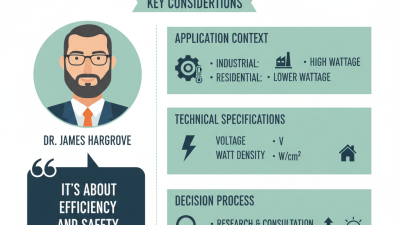
Choosing the right Electric Heating Element can be crucial for efficiency and safety in your home or business. According to John Smith, a leading expert in electric heating solutions, “The right heating element can significantly reduce energy costs.” His experience in the industry highlights the importance of selecting the best product tailored to individual needs.
When evaluating options, consider factors like wattage, material, and application. Electric Heating Elements come in various designs, from simple cartridge heaters to complex systems for specific uses. It is essential to match your requirements with the element's specifications to avoid inefficiency.
Reflecting on choices can be challenging. Many overlook the significance of quality over cost, only to face issues later. An informed decision today can save you time and money in the long run. Always prioritize reliability and expertise when selecting your Electric Heating Element.
Understanding Different Types of Electric Heating Elements
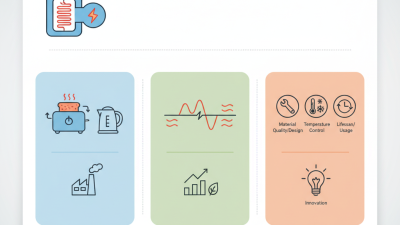
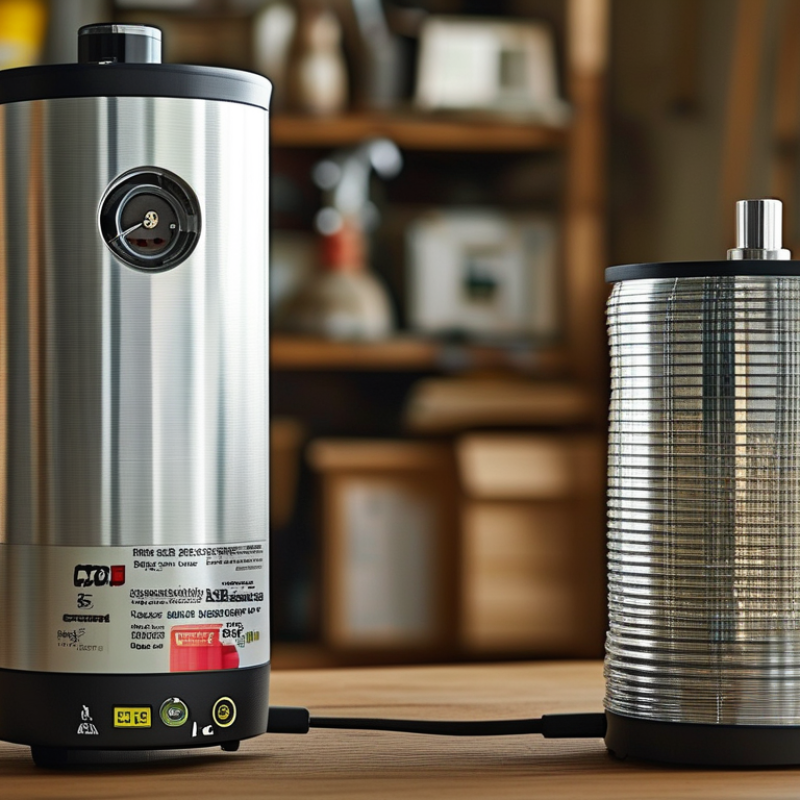
When choosing an electric heating element, it’s crucial to understand the various types available. These elements differ in construction, efficiency, and application. Common types include tubular, infrared, and mica heating elements. Tubular elements are versatile and are often used in ovens and water heaters. They provide consistent heat and are durable. However, they may not heat immediately, which can be a drawback in certain situations.
Infrared heating elements are gaining popularity for their quick heating capabilities. They radiate heat directly to objects, making them ideal for spot heating. Yet, they can be less efficient in large spaces. Mica heaters, less common but effective, are often used in appliances like toasters. They heat up quickly but may have a shorter lifespan. Each type has its pros and cons, and understanding these nuances is key to making an informed choice.
Selecting the right element requires careful consideration. Think about your heating requirements, space, and safety standards. It’s easy to overlook installation needs or the power supply available. Misjudging the wattage can lead to inefficiencies or potential hazards. Relying solely on reviews may not always give a complete picture. It's essential to do thorough research and seek out expertise to ensure the heating element meets your specific needs.
Key Factors to Consider When Choosing a Heating Element
When selecting the right electric heating element, various factors come into play. Understanding your specific needs is crucial. Consider the application: Are you heating water, air, or a specific material? Each application has unique requirements. For instance, a heating element designed for water might not be effective for air heating.
The wattage of the heating element is another important factor. Higher wattage means faster heating, but it also means more energy consumption. Evaluate your energy costs and usage patterns. Sometimes, a lower wattage option may suffice, providing a balance between efficiency and power. It’s essential to reflect on your everyday heating needs to avoid over- or underestimating requirements.
Thermal control is also significant. Some applications need precise temperature regulation, while others require a simple on-off switch. Investigate options that fit your required precision. Further, ensure that the materials used in the heating element match your environment; corrosion resistance may be important if you are using it in humid areas. It’s a nuanced decision, and small oversights in these selections can lead to inefficiencies later.
Matching Heating Elements to Your Specific Application
When selecting the right electric heating element, it’s crucial to match it to your specific application. Different scenarios require distinct heating capabilities. According to industry reports, the efficiency of a heating element can vary by up to 30% based on its application. For instance, elements used in industrial settings often need higher watt densities compared to residential heating solutions.
In food processing, precise temperature control is vital. A study from the Thermal Processing Society indicates that mismatched heating elements can lead to energy losses of 15-20%. This means costs can soar when improper heating elements are used, leading to inefficiencies. Assess the temperature range and the material compatibility of the heating element. It’s often forgotten that corrosion resistance can greatly impact longevity.
Consider space constraints as well. Some applications require compact designs that still deliver high performance. An element that fits poorly can cause uneven heating. Research shows that proper element adaptation can increase heating speed by nearly 25%. Evaluating these factors ensures a tailored solution that meets operational needs efficiently. Quality choices reflect the importance of application-specific matching, highlighting a fundamental gap often overlooked in the selection process.
Evaluating Efficiency and Performance of Heating Elements
Choosing the right electric heating element hinges on understanding efficiency and performance. Efficiency is measured by how effectively an element converts energy into heat. High-efficiency models save energy, but not all are suited for every application. Often, performance differs based on design and material.
**Tip:** Look for elements made of durable materials. They often last longer and provide more consistent heat. Check wattage options. Higher wattage means quicker heating but can also increase energy costs. Balance is essential.
It’s crucial to consider application needs. A heating element used in industrial settings may perform differently than one for home use. Testing the element’s output in practical scenarios often reveals imperfections in heating consistency. This variability can prompt users to rethink their choices.
**Tip:** Always check user reviews. Real-world feedback enhances your understanding of performance. Experimenting with different types may also yield surprising results. Sometimes, the most efficient choice is not the most obvious one. Consider both short-term and long-term impacts on your energy bills to determine the best fit.
Efficiency Comparison of Various Electric Heating Elements
Safety Considerations for Electric Heating Elements
When considering electric heating elements, safety must be a top priority. Improper installation or selection can lead to overheating, which poses fire risks. According to the National Fire Protection Association, heating systems are a leading cause of home fires, accounting for over 50% of all home heating-related incidents. Therefore, choosing the right heating element ensures not just efficiency but also peace of mind.
Tip: Always check for certifications. Look for elements that meet industry standards such as UL or CE. These certifications indicate rigorous testing for safety and reliability. Additionally, select models with built-in safety features, like overheat protection. Regular maintenance is crucial too, as wear and tear can compromise safety.
Be mindful of the environment where the heating element will be used. If placed too close to flammable materials, risks increase significantly. A report by the International Association of Fire Fighters emphasizes that proper distance is essential. Educating yourself on wattage and voltage compatibility helps avoid overheating and potential hazards. Consult the installation guidelines thoroughly and consider professional installation if you're unsure.

 +852 60984748