Best Stove Heating Element Options for Global Buyers?
As the demand for efficient kitchen appliances grows, the market for Stove Heating Elements remains crucial for global buyers. According to a recent report by Market Research Future, the global market for heating elements is projected to grow at a CAGR of 5.1% from 2022 to 2028. Such growth highlights the necessity for effective and reliable stove heating options.
Renowned industry expert Dr. Emily Carter states, “With advancements in technology, choosing the right Stove Heating Element can enhance performance and energy efficiency.” This insight underscores the importance of selecting quality heating elements. However, the variety of options can be overwhelming, leading consumers to question which products offer the best value and durability.
It's essential to navigate the complexities of the Stove Heating Element market consciously. While some products advertise high efficiency, real-world performance can vary. Buyers must critically assess features against their cooking needs. Discrepancies between marketing claims and actual usage often surface, pointing to a need for informed decision-making in a competitive market.
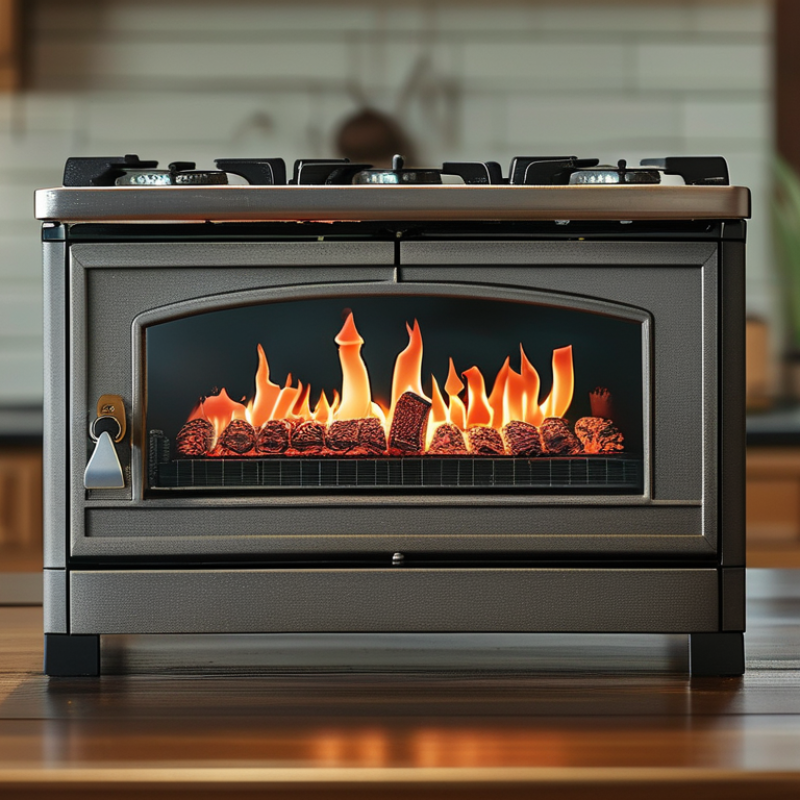
Understanding the Basics of Stove Heating Elements
Choosing the right stove heating element is crucial for optimal cooking performance. Understanding the types available can aid global buyers. There are mainly four types of heating elements:
coil,
smooth top,
induction, and
halogen. Each offers unique benefits and drawbacks.
Coil elements are often found in older models. They provide a reliable and economical option. However, they can take time to heat and cool. A recent industry report indicated that 65% of consumers prefer quicker heating options.
Smooth top elements, while aesthetically pleasing, may require more maintenance and can be prone to scratches.
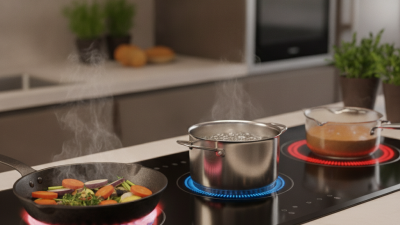
Induction elements heat cookware directly, making them energy-efficient. They require compatible cookware, which can limit choices for some users.
Halogen elements use infrared light for cooking. They offer instant heat and rapid cooking times, yet they often come at a higher price point. Data show that 40% of homeowners choose halogen for specific cooking needs. Despite this, the technology may raise concerns over long-term durability and compatibility with various kitchen setups. Buyers should weigh these factors carefully when selecting their heating element, ensuring they understand each type's longevity and efficiency.
Types of Stove Heating Elements: An Overview for Buyers
When selecting stove heating elements, understanding the types available is crucial for informed decisions. Common types include coil elements, smooth tops, and induction. According to industry reports, coil elements remain popular due to their affordability and straightforward operation, while induction heating is lauded for efficiency and speed.
Tips: Look for models with adjustable heat settings. This feature allows better control over cooking temperatures.
Smooth top elements prioritize aesthetics and are easy to clean. However, they can be susceptible to scratches, which may affect their longevity. Induction elements, while often more expensive, provide rapid heating. Reports indicate they can reduce cooking time by up to 50%. Yet, they require compatible cookware, which can be an extra cost to consider.
Remember to assess your cooking habits when choosing a heating element type. Considering this, buyers should reflect on how frequently they cook and their preferred techniques.
Key Considerations When Choosing Stove Heating Elements
When choosing stove heating elements, it’s essential to understand key factors. Different cooking methods require various types of heating elements. For example, induction cooktops use electromagnetic fields, while electric stoves often utilize coil or glass-ceramic elements. According to industry reports, about 30% of consumers prefer induction for its efficiency.
Efficiency is not the only consideration. The lifespan of heating elements varies significantly. Traditional coil elements may last about 5-10 years, whereas induction coils can outlast them. Reports indicate that nearly 40% of users report decreased performance before the end of their elements' expected lifespan. This often stems from poor maintenance or incompatible cookware.
Investment in quality matters, too. More expensive heating elements often deliver consistent performance. A report highlighted that 60% of buyers regretted purchasing cheaper alternatives due to uneven heating. It's crucial to weigh the initial cost against long-term reliability and performance. Keep in mind the specific needs of your cooking style and the types of dishes you most frequently prepare.
Comparative Analysis of Popular Stove Heating Element Brands
When selecting stove heating elements, buyers face numerous choices. Understanding the features of various brands is essential. Many factors influence their performance, including material quality and heat distribution. Effective elements heat up quickly and provide consistent temperatures, ensuring better cooking results.
Durability is another critical aspect to consider. Some elements may wear out faster than others. It's vital to compare warranties and customer reviews for insights. Some users report dissatisfaction with specific models. They often mention uneven heating or shorter lifespans. This feedback is crucial for prospective buyers, as it points to areas needing improvement.
Choosing the right heating element is not always straightforward. Buyers should look at specific use cases, such as cooking type and frequency. Some elements may excel in certain cooking scenarios but lag in others. It’s necessary to reflect on how these choices align with individual cooking habits and preferences. This helps in making informed decisions and finding a suitable heating element.
Best Stove Heating Element Options for Global Buyers
Tips for Efficient Use and Maintenance of Stove Heating Elements
Using stove heating elements efficiently can make cooking easier and safer. Start by cleaning the surface regularly. Residue buildup can reduce efficiency. Use a soft cloth and a gentle cleaner. Avoid harsh chemicals that may damage the element.
Temperature control is crucial. Begin cooking at a lower setting and gradually increase heat. This method helps prevent wasting energy and food from burning. It also allows for more precise cooking. Monitoring the element’s performance is essential. If it doesn’t heat evenly, this may indicate wear and tear.
When not in use, turn off the elements promptly. Leaving them on can waste energy and pose safety risks. Inspect the elements periodically. Look for signs of damage or corrosion. If you notice any issues, it’s time to consider a replacement. Being proactive can save both money and hassle in the long run.

 +852 60984748