2026 Top Electric Heating Element Innovations and Trends?
The electric heating element industry is witnessing transformative innovations in 2026. Industry experts predict a notable shift towards energy-efficient designs. According to a report by MarketWatch, the global electric heating element market is projected to grow significantly. By 2025, it's expected to reach $12 billion, driven by increasing demand in various sectors.
Dr. Sarah Thompson, a leading expert in thermal technology, asserts, "Innovation in electric heating elements enhances both performance and sustainability." This perspective highlights the industry's focus on developing products that are not only effective but also environmentally friendly. Companies are exploring advanced materials and smart technologies to optimize efficiency.
Despite these advancements, challenges remain. The task of balancing cost and quality can hinder innovation. Manufacturers must invest in research while keeping prices competitive. As electric heating elements evolve, understanding these dynamics is crucial for stakeholders aiming to navigate the changing landscape.

Emerging Technologies in Electric Heating Elements for 2026
Emerging technologies in electric heating elements are shaping the future for 2026 and beyond. A recent report from MarketsandMarkets indicates that the global electric heating elements market is expected to reach $10 billion by 2026, growing at a CAGR of 6%. This growth is driven by advancements in material science and energy efficiency.
Innovative materials are becoming crucial. Ceramics and advanced alloys are now being used to improve thermal conductivity. These materials enable faster heating times and more uniform temperature distribution. Additionally, smart heating elements that integrate IoT technology are becoming more common. These allow users to monitor and control the heating remotely.
Challenges remain. Many electric heating solutions still lack proper insulation, leading to energy losses. There is also a risk of overheating, which can cause safety concerns. Continuous improvement in design and safety features is necessary for long-term success in the market. Balancing efficiency and safety will be essential to meet future demands.
Sustainability Trends Impacting Electric Heating Innovations
As we move towards 2026, sustainability becomes a strong influence on electric heating element innovations. The push for greener technologies is reshaping the landscape. According to a recent report, nearly 75% of consumers now prioritize energy-efficient home appliances. This trend has led manufacturers to focus on developing electric heating systems that not only conserve energy but also utilize sustainable materials.
Emerging technologies highlight the importance of eco-friendly solutions. For instance, researchers found that advanced thermal storage systems can reduce energy use by up to 30%. Innovations such as smart heating controls align with this sustainability goal. These systems adapt to user behavior, optimizing energy consumption while still providing comfort. However, challenges persist. Many existing systems lack integration capabilities with renewable energy sources.
Increased regulations also drive innovation. The International Energy Agency predicts that by 2026, global standards for electric heating efficiency will tighten. This will require manufacturers to invest in research and development. Some companies might struggle to keep up with these standards, risking obsolescence. Sustainable practices are essential, but the transition may expose weaknesses in current technologies.
2026 Top Electric Heating Element Innovations and Trends
| Innovation |
Description |
Sustainability Impact |
Market Trend |
| Induction Heating Elements |
Using electromagnetic fields to directly heat items without a flame. |
Reduces energy waste and enhances efficiency. |
Growing demand for efficient heating solutions in homes and industries. |
| Smart Heating Elements |
Integrating IoT technology for remote control and automation. |
Enhances energy conservation through optimized usage. |
Increasing integration of smart home devices. |
| Biomass Heating Elements |
Utilizing organic materials as a renewable energy source for heating. |
Supports sustainable resource use and carbon neutrality. |
Rising popularity as eco-consciousness grows among consumers. |
| Infrared Heating Elements |
Directly heats objects and people rather than the air. |
Increases comfort while minimizing energy consumption. |
Expansion in residential and commercial sectors for cost-effective heating. |
| Thermal Storage Solutions |
Store heat for later use, improving energy management. |
Promotes use of renewable energy during off-peak hours. |
Increasing adoption in various industries for energy efficiency. |
Smart Heating Solutions: Integration of IoT in Electric Elements
The integration of IoT in electric heating elements represents a groundbreaking shift in smart heating solutions. Imagine a home where your heating system learns your preferences. Smart sensors can detect the ambient temperature and adapt accordingly. This creates a more comfortable living environment while optimizing energy use. Efficient energy consumption is a pressing need in today's world, and IoT technology offers just that.
However, this innovation is not without its challenges. The reliance on connectivity introduces vulnerabilities. What happens when devices fail or experience connectivity loss? User trust may waver if smart systems malfunction. Ensuring reliability in such technologies requires rigorous testing and constant updates. Additionally, data privacy remains a significant concern. Consumers must feel secured while their devices gather data to optimize performance.
The aesthetic aspect of electric heating elements is evolving too. Sleek designs can blend seamlessly with modern interiors. Yet, prioritizing aesthetics shouldn't overshadow functionality. Performance remains key in the development of new heating solutions. As these innovations grow, companies must balance style and substance. This creates exciting opportunities, but also demands careful reflection on potential pitfalls.
2026 Electric Heating Element Innovations and Trends
Energy Efficiency Improvements in Electric Heating Designs
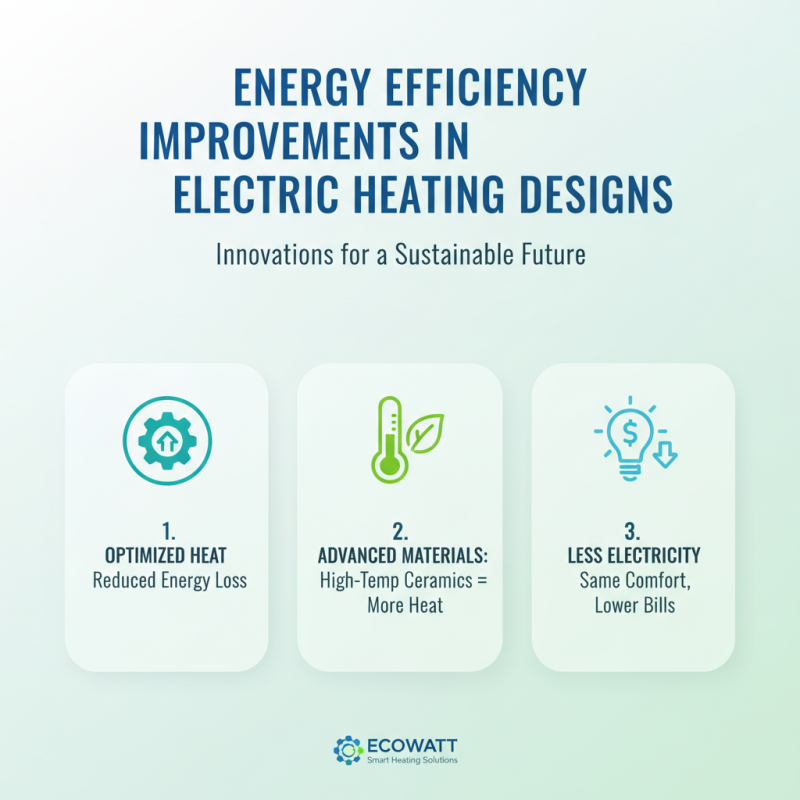
The electric heating industry is undergoing significant innovations to enhance energy efficiency. In recent designs, manufacturers focus on optimizing heat transfer mechanisms. This improvement minimizes energy loss and uses less electricity for the same amount of heat. Innovative materials are becoming key players. For example, advanced ceramics can withstand higher temperatures, leading to more efficient heating systems.
Integration of smart technology is another exciting trend. Smart thermostats and sensors adjust heat output based on real-time data. This proactive approach helps in reducing wasted energy. However, some users may face challenges adapting to these smart features. They might require time and effort to learn how to use them effectively.
The push for energy-efficient electric heating designs acknowledges the growing concern for sustainability. However, it is crucial to assess the real-world performance of these innovations. Some newly introduced heating elements may not always meet consumer expectations. Investing in energy-efficient technology is essential, but it requires careful consideration and feedback from users to refine these advancements.
Market Trends: Consumer Demand and Industry Shifts for 2026
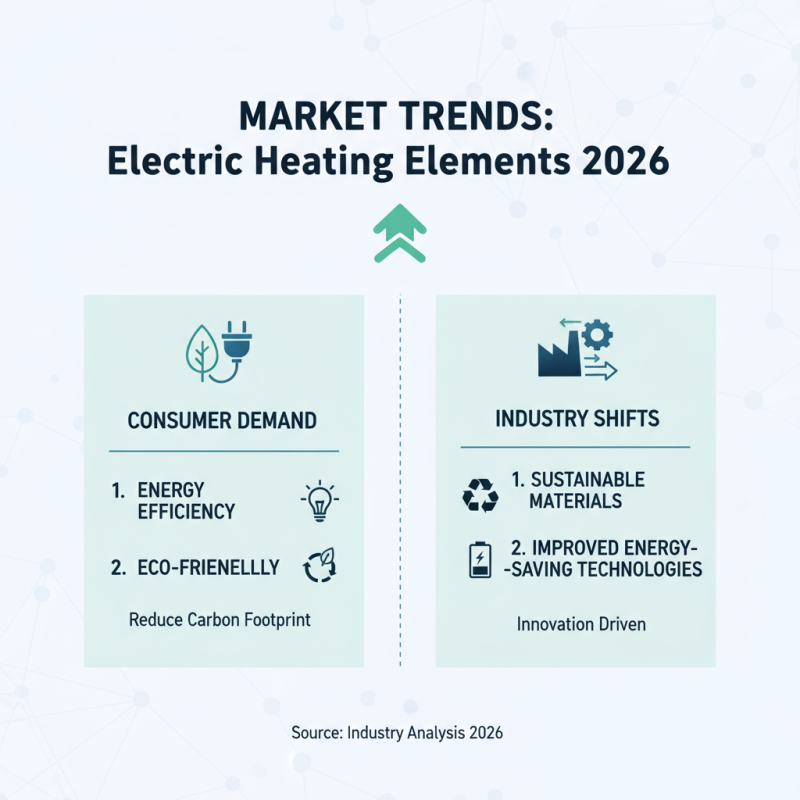
As the electric heating element market evolves, consumer demand plays a pivotal role. In 2026, customers prioritize energy efficiency and eco-friendliness. They seek products that not only perform well but also reduce their carbon footprints. This shift in preference drives manufacturers to innovate, focusing on sustainable materials and improved energy-saving technologies.
Industry experts note that personalized heating solutions are gaining traction. These products allow consumers to customize their heating needs, enhancing comfort at home. However, the challenge lies in balancing innovation with affordability. Many advanced features can inflate costs, making it difficult for budget-conscious consumers. Companies must navigate this complexity carefully.
Moreover, regulatory changes influence industry dynamics. Stricter energy efficiency standards prompt manufacturers to adapt quickly. Failure to comply could result in significant market losses. The landscape remains unpredictable, posing risks that require ongoing assessment. Companies must stay agile to meet the shifting demands of consumers and regulators alike.
 +852 60984748