10 Essential Tips for Maintaining Your Water Heater Coil?
Maintaining your water heater coil is vital for optimal performance and efficiency. A well-functioning coil ensures that your water heater works efficiently, minimizing energy bills. According to the U.S. Department of Energy, heating water can account for up to 18% of a home's energy consumption. Regular maintenance is essential to prolong the life of your water heater and avoid costly repairs.
Rust and sediment buildup can severely affect the efficiency of your water heater coil. Studies show that neglecting this maintenance can lead to a 10% reduction in efficiency each year. Homeowners may find themselves paying higher energy costs and experiencing frequent breakdowns due to a lack of care. Regular inspections are not just a good idea; they are an essential aspect of home maintenance.
While many people overlook the need for water heater care, it is critical to be proactive. Recognizing the signs of wear and addressing issues promptly can save money and prevent emergencies. Investing time in understanding the maintenance process provides peace of mind and ensures the reliability of your home's hot water supply.
Understanding the Function of Water Heater Coils
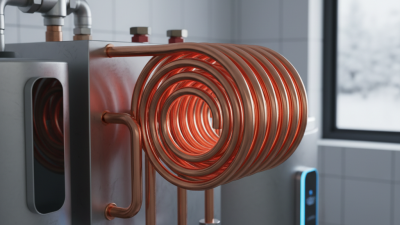
Water heater coils play a crucial role in how your system functions. They are responsible for heating water quickly and efficiently. When water flows through the coil, it absorbs heat from a heating element. This process ensures that hot water is available whenever you need it.
A well-maintained coil can lead to energy savings. However, neglecting it can cause significant issues. For example, limescale buildup can restrict water flow. This situation not only decreases efficiency but can also lead to system failures. Regular inspections are essential to catch these problems early.
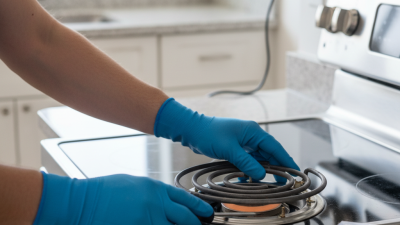
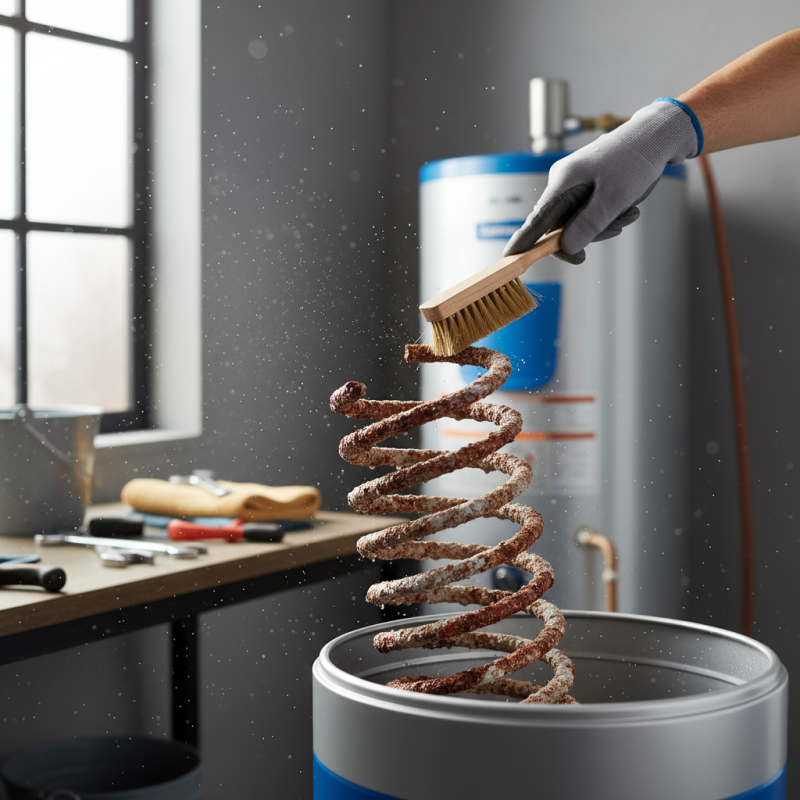
Cleaning your coils regularly can enhance their performance. This task may seem daunting, but it's quite simple. Use a soft brush to remove debris. Be mindful not to damage the coil in the process. Ignoring this small task can result in costly repairs down the line. Remember, proactive maintenance is the key to longevity and reliability in your water heater system.
Identifying Common Issues with Water Heater Coils
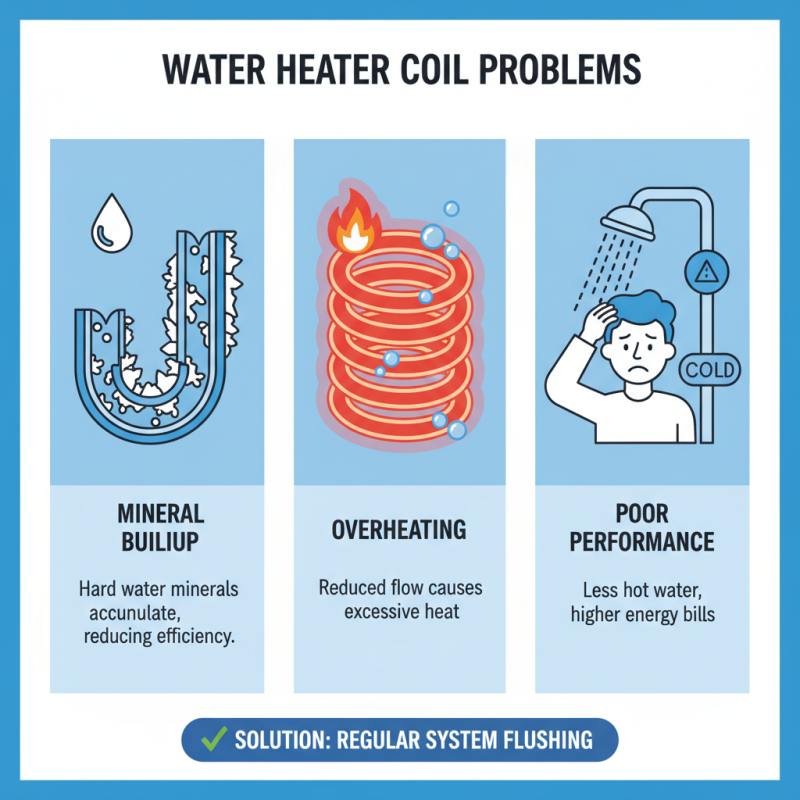
Water heater coils are essential for efficient operation. Over time, they can develop issues that hinder performance. One common problem is mineral buildup. Hard water contains minerals that can accumulate inside the coil. This buildup decreases efficiency and can lead to overheating. Regular flushing of the system can help alleviate this issue.
Another common issue is corrosion. Coils are often made of metals that can rust over time, especially in areas with high moisture. This corrosion can lead to leaks, which may cause water damage. If you notice puddles around your water heater, inspect the coil for rust. Catching these problems early can prevent costly repairs.
Thermostat malfunctions also affect water heater coils. If the thermostat fails to accurately read temperatures, it may cause the coils to overheat. Look for inconsistent water temperatures as a sign of this issue. An inconsistent system can waste energy and increase your bills. Taking the time to address these matters is crucial for improving your water heater's lifespan.
Regular Cleaning and Maintenance Techniques for Coils
Maintaining your water heater coil is crucial for optimal performance. A clean coil increases efficiency by up to 30%, saving energy costs. Regular cleaning reduces sediment buildup and prevents corrosion, extending the lifespan of the system. Experts recommend a maintenance check at least twice a year.
For effective coil cleaning, consider using a soft brush to remove debris. Be gentle; harsh scrubbing can damage the metal. Another technique involves flushing the system with vinegar. This natural solution breaks down mineral deposits effectively. Allow it to sit for about an hour before rinsing.
Don’t overlook the importance of checking for leaks. A small leak can lead to significant water loss. According to industry reports, a leaking water heater can waste around 20 gallons of water daily. Regular inspections can catch these issues early. Keeping a maintenance log also helps track your cleaning schedule. This method can highlight patterns or recurring issues requiring professional attention. Regular checks ensure your system runs smoothly and efficiently.
Signs Your Water Heater Coil Needs Replacement
Water heater coils play a crucial role in heating water efficiently. Knowing when to replace them can save you time and money. Look for specific signs that indicate a coil may be failing. One common indicator is decreased hot water availability. If you notice a significant drop in hot water supply, it could be time to inspect the coil. Sediment build-up may also contribute to this issue.
Another sign is unusual noises coming from the water heater. Sounds like popping or rumbling can mean that mineral deposits are forming on the coil. These deposits hinder heat transfer. In some cases, you might even notice water discoloration or unusual smells. These can indicate corrosion or rust in the unit.
Regular maintenance helps catch these problems early. However, if your coil is over a decade old, evaluate its condition thoroughly. Remember, ignoring these signs can lead to larger issues and costly repairs. Listen to your water heater and respond accordingly.
10 Essential Tips for Maintaining Your Water Heater Coil
| Tip Number |
Maintenance Tip |
Frequency |
Signs for Replacement |
| 1 |
Flush the tank |
Annually |
Sediment build-up |
| 2 |
Check the anode rod |
Every 3 years |
Rod corrosion |
| 3 |
Inspect for leaks |
Monthly |
Water pooling |
| 4 |
Check the temperature setting |
Biannually |
Inconsistent water temperature |
| 5 |
Examine the pressure relief valve |
Annually |
Valve malfunction |
| 6 |
Insulate the tank and pipes |
As needed |
Increased energy bills |
| 7 |
Test the thermostat |
Annually |
Temperature discrepancies |
| 8 |
Clean the burner (gas heaters) |
Annually |
Inefficient heating |
| 9 |
Schedule a professional inspection |
Every 2 years |
Recurring issues |
| 10 |
Replace when over 10 years old |
N/A |
Old age |
Safety Tips When Working on Water Heater Coils
Working on water heater coils requires careful attention to safety.
It is vital to ensure that the power supply is shut off before starting.
Check the circuit breaker or unplug the unit completely. Wearing proper safety gear, including gloves and goggles, can prevent injuries.
It's easy to overlook these steps, but they are crucial for your safety.
Another important tip is to avoid working on wet surfaces.
Moisture can lead to electrical shock, which can be deadly.
Ensure your workspace is dry and well-lit. If you’re unsure about handling any part of the water heater, don’t hesitate to call a professional.
Many individuals underestimate this risk and end up facing accidents.
Proper drainage is also an essential aspect.
Before starting any repairs, make sure to drain the water heater completely.
This prevents leaks and minimizes contact with hot water. Regularly inspect your water heater for signs of wear or damage.
Being proactive can prevent larger issues.
Remember, safety should always be your top priority when dealing with water heater coils.

 +852 60984748