How to Use a Portable Heat Plate for Cooking and Heating?
In the world of outdoor cooking and efficient heating solutions, the "Portable Heat Plate" stands out as a powerful ally. Chef Adam Carter, a leading expert in portable cooking technologies, once said, "The right tool can transform any meal, no matter where you are." This statement encapsulates the essence of how a Portable Heat Plate can enhance your cooking experience.
Imagine a family camping trip where you can quickly heat a soup or sauté vegetables, all thanks to this compact device. The Portable Heat Plate offers versatility, warmth, and convenience in various settings. Whether you’re at home or in the great outdoors, it’s designed to make cooking simple and effective. This tool is ideal for quick meals or warming delicious dishes.
However, using a Portable Heat Plate does come with its challenges. For instance, users must ensure even heat distribution. It's essential to understand the limitations in power to avoid overheating delicate materials. These reflections can lead to better usage and enhancements. In essence, the Portable Heat Plate serves as a modern solution to our ever-busy lives, making cooking enjoyable and accessible.

Understanding Portable Heat Plates: Types and Features
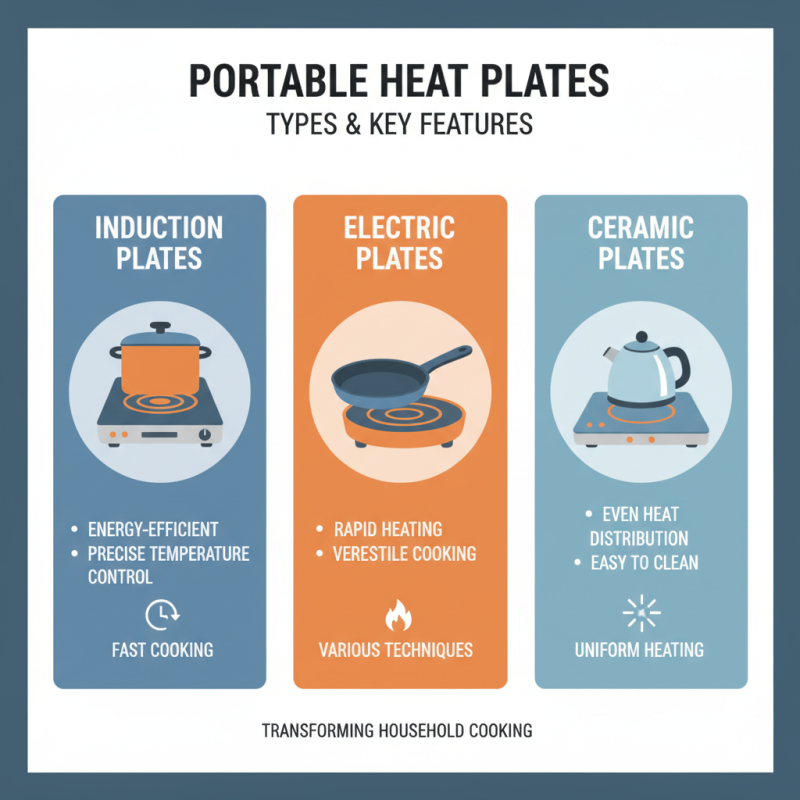
Portable heat plates have transformed cooking and heating in many households. These devices come in various types, including induction, electric, and ceramic heat plates, each with unique features. Induction heat plates are energy-efficient and provide precise temperature control, making them perfect for cooking meals quickly. Electric plates typically heat up fast and are versatile, suitable for a range of cooking techniques.
When considering a portable heat plate, safety is paramount. Features such as automatic shut-off and cool-touch handles enhance usability. A report from the American Gas Association highlights that 70% of home fires involve cooking equipment. Hence, it's crucial to choose a heat plate equipped with safety features. The varying wattage of different heat plates, ranging from 1,000 to 2,500 watts, also affects cooking efficiency and should be matched with your needs.
Not all heat plates are equal. Some may struggle with even heat distribution, leading to uneven cooking. Users often report dissatisfaction with low-quality models that don’t maintain a consistent temperature. Research indicates that a well-designed heat plate can improve cooking times by up to 30%. However, it's essential to weigh reliability and performance against cost. Understanding these nuances allows for more informed purchasing decisions in the portable heat plate market.
Preparing Your Portable Heat Plate for Use: Setup Instructions
Setting up your portable heat plate is the first step to efficient cooking and heating. Begin by choosing a stable, flat surface to place the heat plate. Ensure it is away from flammable materials. Take a moment to inspect the device for any damage. A thorough check can save you from future mishaps.
After selecting the right spot, plug the heat plate into a suitable outlet. Check the manufacturer's instructions for voltage specifications. Using it with the correct voltage enhances performance and safety. Before heating, it’s helpful to preheat the plate for a few minutes. This allows for even cooking.
Tips for best results: Always keep your cooking area clean. Residue can burn and create smoke. Try using a pan that matches the size of the heat plate. Larger pans may heat unevenly. Adjusting temperature settings can lead to better control, especially for delicate items like eggs or fish.
Remember, practice makes perfect. It might take time to learn the optimal settings for your recipes. Don’t hesitate to experiment with different dishes. Mistakes can often lead to delightful discoveries.
Portable Heat Plate Usage Statistics
Cooking Techniques: Using a Portable Heat Plate Effectively
Using a portable heat plate can transform your cooking experience. This versatile tool is excellent for quick meals and outdoor cooking. It is compact and easy to set up. You can use it for frying, steaming, or even warming. The options are endless.
Start by placing the heat plate on a stable surface. Ensure ventilation if using it indoors. For frying, use a small amount of oil to prevent sticking. Keep an eye on the temperature, as it can heat up quickly. Cooking on a portable heat plate can lead to occasional uneven heating. Adjust your cooking time as needed for best results.
To maximize its use, try using cast iron or stainless steel cookware. They conduct heat well and retain it longer. Experimenting with different techniques can lead to delightful surprises. Remember that practice makes perfect. Don’t be discouraged by initial failures. Each attempt teaches valuable lessons about timing and temperature control.
Safety Tips for Using a Portable Heat Plate in the Kitchen
Using a portable heat plate can simplify cooking, but safety should always come first. Ensure your work surface is stable and flat. This prevents spills and reduces fire risks. Never leave the heat plate unattended while it's on. Distractions can lead to accidents.
When using the heat plate, wear appropriate heat-resistant gloves. They protect your hands from burns. Always keep flammable materials away from the plate. Paper towels, food packaging, or even towels could ignite. Overheating can also warp surfaces or lead to malfunctions.
Regularly check the cord and plug for damage. A frayed cord can cause electrical shorts or fires. If anything looks worn, replace it immediately. Lastly, let the plate cool down completely before cleaning. It may seem like a hassle, but it ensures safe handling. Maintain a clean heat plate to avoid unwanted smoke or odors. Heating food should be safe and seamless.
How to Use a Portable Heat Plate for Cooking and Heating? - Safety Tips for Using a Portable Heat Plate in the Kitchen
| Aspect |
Details |
| Type of Heat Plate |
Electric, Induction, Stove-top |
| Temperature Control |
Adjustable settings from low to high |
| Cooking Materials |
Compatible with pots and pans made of stainless steel, cast iron, and ceramic |
| Safety Features |
Overheat protection, automatic shut-off |
| Cleaning Tips |
Wipe with a damp cloth; avoid abrasive cleaners |
| Power Requirements |
Usually 120V or 240V depending on the model |
| Usage Precautions |
Do not leave unattended; keep away from flammable materials |
Cleaning and Maintenance of Your Portable Heat Plate
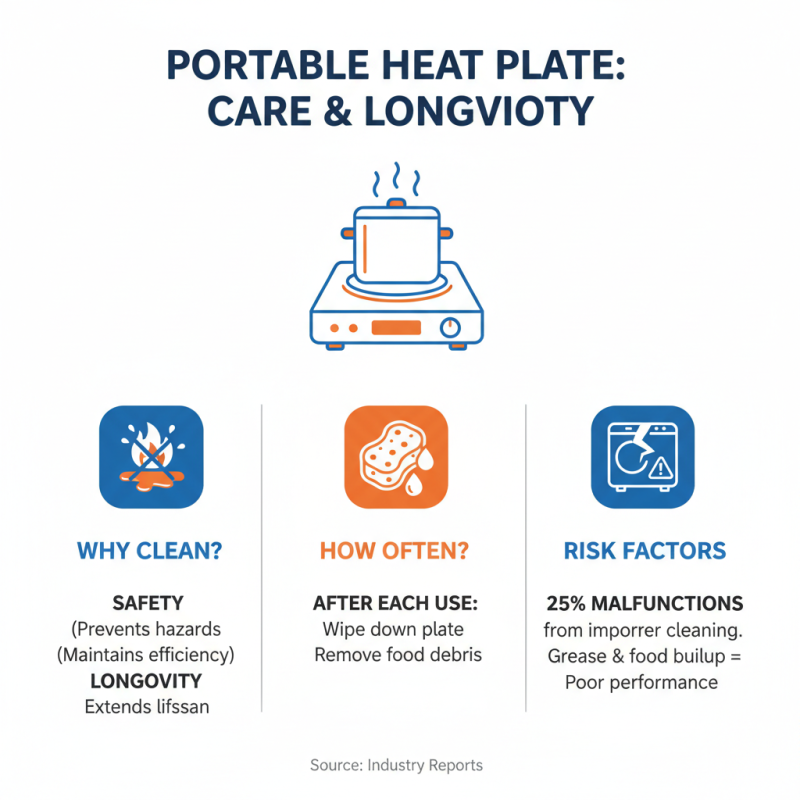
Cleaning and maintaining your portable heat plate is essential for both safety and longevity. Regular cleaning prevents the accumulation of grease and food particles. This buildup can lead to decreased performance and even safety hazards. According to industry reports, improper cleaning practices account for 25% of malfunctioning kitchen appliances. It is crucial to clean the heat plate after each use to ensure optimal operation.
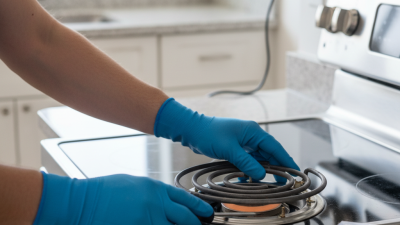
To clean your heat plate effectively, start with a soft sponge and warm soapy water. Avoid abrasive cleaners that may scratch the surface. Dry the plate thoroughly to prevent moisture-related damage. For tougher stains, a 50/50 mixture of vinegar and water can work wonders. Remember, cleanliness contributes to the efficiency of your cooking. Many users overlook the importance of proper drying after cleaning. Excess moisture can cause rusting and reduce the life of your device.
Tips for maintenance include regularly checking the electrical components for any signs of wear. A damaged cord can be a significant safety risk. Store your heat plate in a dry place, away from moisture. Additionally, if you notice uneven heating, it may indicate that deeper cleaning is required, or there's a need for professional servicing. Being attentive to these details goes a long way in enhancing the performance and safety of your portable heat plate.

 +852 60984748