Why Are Hot Water Heating Coils Essential for Efficient Heating Systems?
Hot Water Heating Coils play a vital role in heating systems. They are essential for enhancing efficiency and comfort. These coils facilitate better heat distribution across spaces, ensuring warmth during colder months.
In many homes and commercial buildings, Hot Water Heating Coils are at the core of reliable heating solutions. Their design allows for consistent temperature control. However, their effectiveness can diminish without proper maintenance. Regular checks are crucial to sustain performance.
Understanding the functionality of Hot Water Heating Coils is important. They not only improve energy usage but also impact heating costs. Utilizing these coils effectively leads to a balance between comfort and efficiency. Yet, it is easy to overlook their importance, potentially causing issues down the line.
Understanding Hot Water Heating Coils in Heating Systems
Hot water heating coils play a vital role in HVAC systems.
These coils are essential for transferring thermal energy from water to the air in a space. By using heated water,
they provide an efficient way to warm up homes and buildings. The design of these coils allows for better
heat exchange, increasing overall system performance.
Understanding how these coils work is crucial for optimizing heating efficiency. They usually consist of a
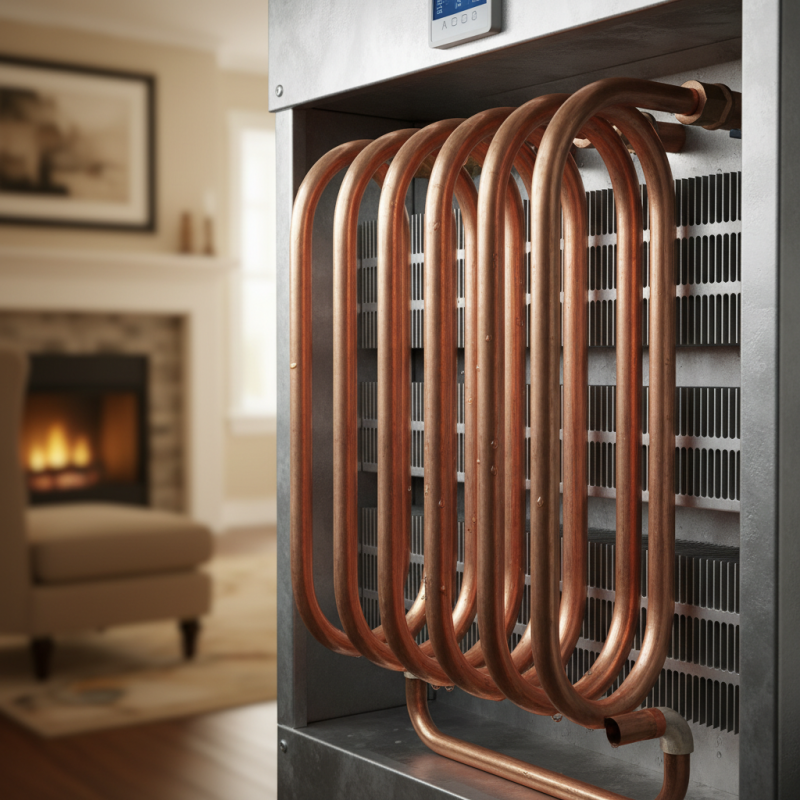
series of copper or metal tubes. Hot water flows through these tubes,
radiating heat into the surrounding air. This process requires careful installation and maintenance. Coils
must be regularly checked for leaks and blockages. Unmonitored issues may lead to decreased performance.
The effectiveness of hot water heating coils
depends on various factors. Users should consider water temperature and
flow rate. A mismatch can hinder heating effectiveness. It's important to
reflect on system design and ensure optimal coil placement. Continuous
improvement and monitoring can enhance heating efficiency significantly.
The Functionality of Hot Water Heating Coils in Heat Transfer
Hot water heating coils are a crucial component in efficient heating systems. They enhance heat transfer by circulating hot water through a network of coils. This method allows for even and consistent heating in residential and commercial settings. A report from the American Society of Heating, Refrigerating and Air-Conditioning Engineers (ASHRAE) highlights that systems utilizing hot water coils can achieve up to 95% efficiency in heat transfer.
The functionality of these coils plays a vital role in energy conservation. When hot water moves through the coils, it releases heat into the surrounding air or water. This process not only warms up the environment but also reduces energy consumption. According to research conducted by the Department of Energy, properly maintained hot water heating systems can save over 30% on energy bills. However, maintenance is often neglected, leading to potential inefficiencies. Regular checks are essential to ensure the coils are free from scale buildup, which can hinder performance and increase costs.
Additionally, it’s vital to note that not all installations are flawless. Inadequate insulation around the coils can lead to significant heat loss. Some installations may also use mismatched coil sizes, affecting overall efficiency. These factors must be considered for optimal performance. Addressing these challenges ensures the system operates at peak efficiency, providing reliable heating throughout the year.
Importance of Hot Water Heating Coils in Efficient Heating Systems
Benefits of Using Hot Water Heating Coils for Energy Efficiency
Hot water heating coils play a vital role in ensuring energy efficiency in heating systems. These coils efficiently transfer heat from heated water to the surrounding air. In colder months, they provide consistent warmth. This process reduces the need for excess energy, ultimately lowering heating costs. Choosing the right hot water coil can enhance overall system performance.
One significant benefit of hot water heating coils is their ability to maintain optimal temperatures. They reduce fluctuations that often lead to energy waste. Proper installation enhances their efficiency. However, neglecting maintenance can hinder performance. Regular checks on the coils can prevent problems. Clean coils function better and improve energy use.
Moreover, using hot water heating coils minimizes environmental impact. Efficient systems reduce greenhouse gas emissions. This is a crucial aspect of modern heating solutions. However, not all coils are created equal. It is vital to consult with professionals to ensure you choose the right system for your needs. Balancing efficiency and function leads to better outcomes in both comfort and sustainability.
Common Applications of Hot Water Heating Coils in Various Environments
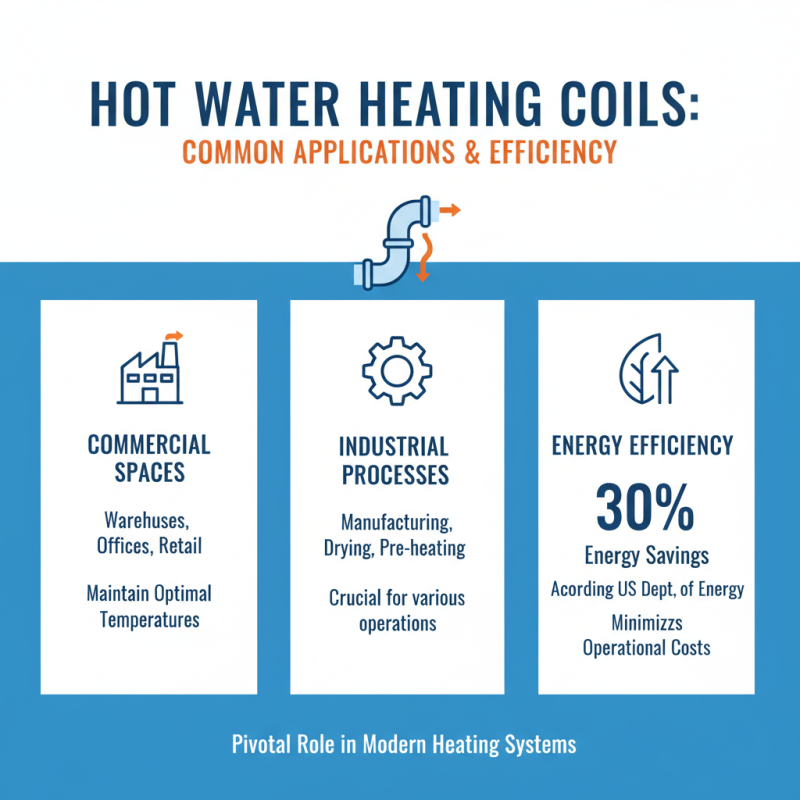
Hot water heating coils play a pivotal role in various heating systems across different environments. In commercial spaces, such as warehouses, these coils circulate heated water to maintain optimal temperatures. According to the U.S. Department of Energy, well-configured heating systems can improve energy efficiency by 30%. This efficiency is crucial in minimizing operational costs.
In residential settings, hot water heating coils are often installed in radiant heating systems. These systems distribute warmth evenly, enhancing comfort. Utilizing coils can yield a safer heating option compared to traditional methods. An EPA report noted that homes with radiant heating systems experience lower energy consumption overall.
**Tip:** Regular maintenance of heating coils can prevent inefficiencies. Inspect for leaks or blockages to ensure optimal function. It's a small task that brings significant energy savings.
**Tip:** When evaluating your current heating system, consider installing insulation. Proper insulation complements the performance of hot water heating coils, further enhancing efficiency.
Maintenance Tips for Ensuring Optimal Performance of Heating Coils
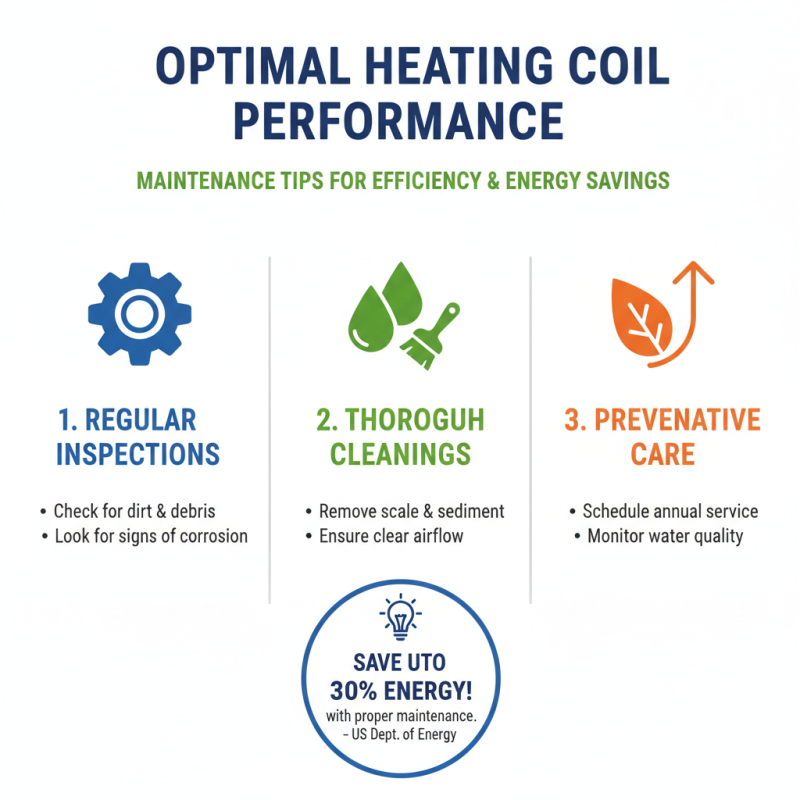
Maintaining hot water heating coils is vital for ensuring efficient heating systems. Regular inspections and cleanings can prevent performance issues. According to the U.S. Department of Energy, poorly maintained heating systems can waste over 30% of energy. This statistic highlights the importance of proactive maintenance.
To ensure optimal performance, checking for mineral buildup is essential. Hard water can lead to scale accumulation in coils, reducing efficiency. Flushing the system annually can help mitigate this problem. Additionally, monitoring the temperature settings can prevent excessive wear on the coils. Ensuring that the water temperature is set to the recommended level can prolong the lifespan of the heating system.
Incorporating professional servicing is often overlooked. Even with diligent care, components can deteriorate over time. Seeking expert opinion at least once a year can uncover hidden issues. This could be a simple change or a more complicated fix. Addressing problems early can save both time and money in the long run. Regular maintenance not only enhances efficiency but also ensures safer operation of the heating system.

 +852 60984748