2026 Best Electric Heating Element Reviews and Buying Guide?
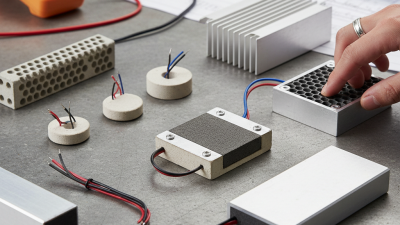
When selecting the right Electric Heating Element for your needs, it's critical to understand the options available. The market offers various types, each designed for specific applications. From home heating systems to industrial uses, the right choice can make a significant difference.
Many users face challenges when trying to find the most efficient products. Some may overlook essential features or specifications. Quality does vary among brands, and that can impact performance. Knowing what to look for is key.
This guide aims to simplify that process. We'll share expert insights and reviews on the best Electric Heating Elements available in 2026. By the end, you will have a clearer understanding for making an informed decision.
Overview of Electric Heating Elements and Their Applications
Electric heating elements are crucial in various industries, from home appliances to industrial applications. These components convert electrical energy into heat, making them essential in devices like ovens, water heaters, and HVAC systems. According to a report by the U.S. Department of Energy, around 85% of U.S. households use electric heating in some form. This underscores the significance of understanding these elements and their uses.
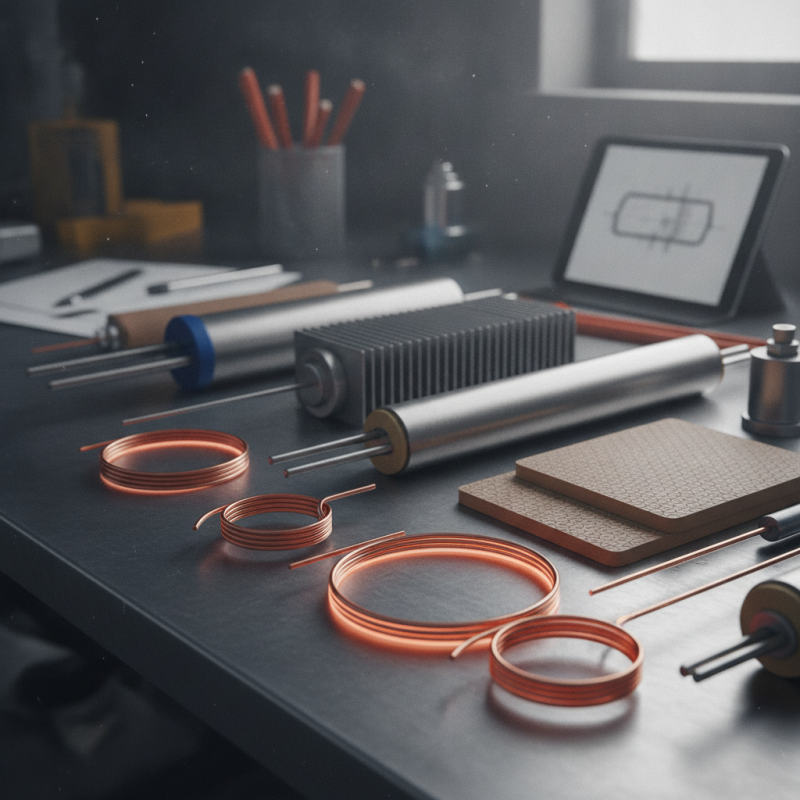
Industries rely on specific types of electric heating elements based on their applications. For instance, insulated wire elements are common in appliances due to their compact design and efficiency. In industrial settings, tubular heating elements are preferred for their versatility and durability. A study by the Electric Power Research Institute indicated that optimizing these elements can enhance energy efficiency by up to 30%. However, knowledge gaps exist regarding the correct application of these elements, which can lead to inefficiencies and increased costs.
Choosing the right heating element can be challenging. Factors like material composition, heating capacity, and operational environment must all be considered. Misunderstandings often arise regarding wattage and heat distribution, which can result in underperformance. Understanding these nuances is vital for maximizing efficiency. Investing time in research can lead to better choices and improved performance of heating systems.
Key Features to Consider When Choosing an Electric Heating Element
When selecting an electric heating element, it's crucial to consider various factors that will affect its performance and efficiency. One key feature is the wattage, which determines how quickly the element can heat up. Based on industry reports, elements with higher wattage typically offer faster heating times. However, this also means increased energy consumption, which could impact your electricity bill over time.
Another important aspect is the material of the heating element. Common materials like stainless steel and copper each provide different benefits. Stainless steel boasts durability and corrosion resistance, while copper allows for better heat conductivity. Review studies suggest that users often overlook these material differences, leading to unsatisfactory heating experiences.
Tips: Always check the compatibility of the heating element with your specific appliance. This could save you from future inconveniences. Also, consider the element's life expectancy. A longer-lasting element may cost more upfront but can offer significant savings over time. Finally, read customer reviews to gauge real-world performance and reliability. These insights often reveal flaws that specifications alone can't convey.
Top 2026 Electric Heating Element Brands and Models
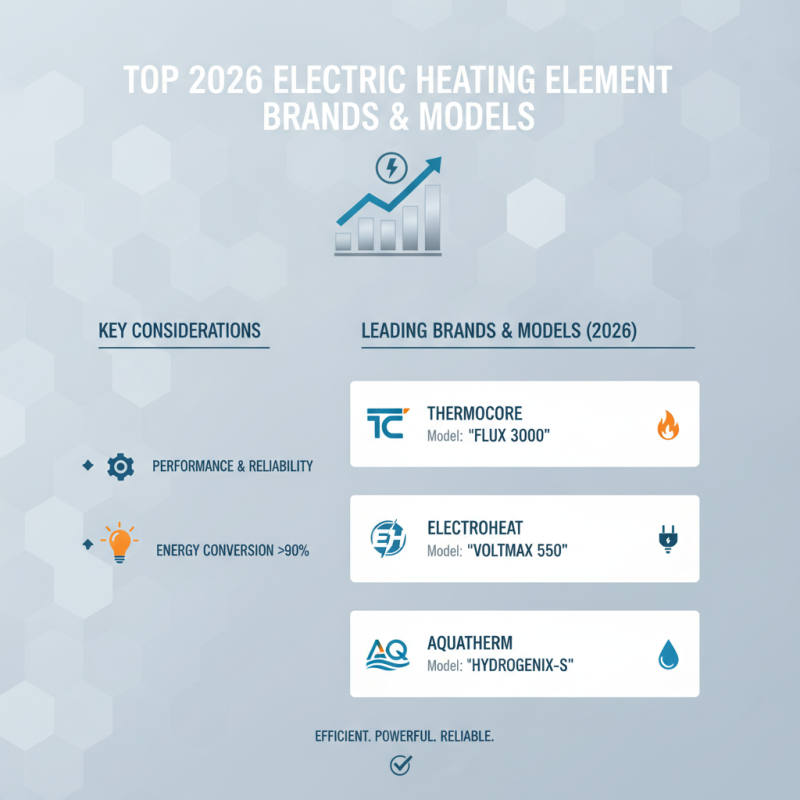
When selecting electric heating elements, it's crucial to consider top brands and models available in 2026. The market is flooded with options, making it essential to evaluate performance and reliability. Reports reveal that high-quality heating elements efficiently convert electricity into heat with minimal energy loss. In fact, the best models have energy conversion rates exceeding 90%.
Another significant aspect to examine is the lifespan of heating elements. Data indicates that premium brands offer models that last over 10,000 hours under regular use. This longevity makes them cost-effective choices for both residential and commercial applications. However, it's vital to note that some budget models, despite lower upfront costs, may require replacement far sooner, leading to unexpected expenses.
Consumer reviews highlight the importance of material quality and design in functionality. Elements made from robust alloys tend to provide consistent heating and durability. In contrast, improperly designed models might lead to uneven heat distribution, which can affect efficiency and safety. It's a reminder that investing in reliable heating solutions is critical for optimal performance and satisfaction.
Comparative Analysis of Electric Heating Elements on the Market
When considering electric heating elements, you’ll find a variety of options. Each type has its unique advantages and disadvantages. For example,
coil elements heat quickly but may not distribute heat evenly. In contrast,
ceramic and infrared elements provide more consistent warmth. This difference in performance can greatly affect your
comfort and
energy efficiency.
Safety is another critical factor. Some heating elements have built-in protection features, such as overheat shut-off, which offer peace of mind.
On the other hand, not all models provide this, leading to potential risks. It's essential to weigh these features when making a decision.
Moreover, efficiency matters. Different materials and designs affect how much energy is consumed. It's worth researching
efficiency ratings. Some units may appear cheaper initially but consume more energy long-term.
Therefore, understanding the long-term costs is vital for a smart purchase.
Personal experiences from users often reveal insights that specifications cannot cover. Evaluating multiple sources can provide a clearer picture.
Maintenance Tips for Prolonging the Life of Electric Heating Elements
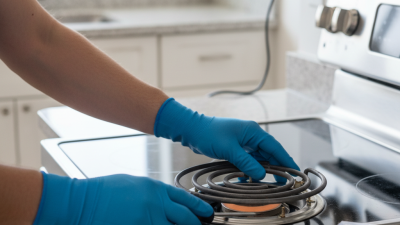
Electric heating elements play a vital role in many appliances. To maximize their lifespan, regular maintenance is critical. Start by cleaning the heating elements periodically. Dust and grime can reduce efficiency. Use a soft cloth or brush for gentle cleaning.
Inspect the connections regularly. Loose or corroded connections can lead to overheating and damage. Tighten any loose wires and replace corroded parts as needed. Keeping connections secure improves performance and safety.
Monitor the temperature settings. Using a heater at high settings for prolonged periods can cause strain. Aim for moderate settings to reduce wear and tear. Always consult user manuals for specific maintenance advice. Proper care today leads to a longer life for your heating elements. This simple approach can enhance efficiency and reliability, reducing the need for frequent replacements.

 +852 60984748