How to Choose the Best Electric Heating Element for Your Needs?
When selecting an Electric Heating Element, understanding your needs is crucial. These components serve various applications, from home heating to industrial processes. Choosing the right one can seem overwhelming, given the multitude of options available.
Not all Electric Heating Elements are created equal. Each type has its specific features, benefits, and limitations. For instance, some elements heat up quickly, while others offer better energy efficiency. It's essential to evaluate factors like wattage, material, and size to ensure you make a wise decision.
Reflecting on your unique requirements can guide your choice. Consider factors such as the intended use and environment. If you overlook these details, you may end up with an unsuitable product. Taking time to research and compare options will ultimately lead to a more satisfying and effective heating solution.
Understanding Different Types of Electric Heating Elements
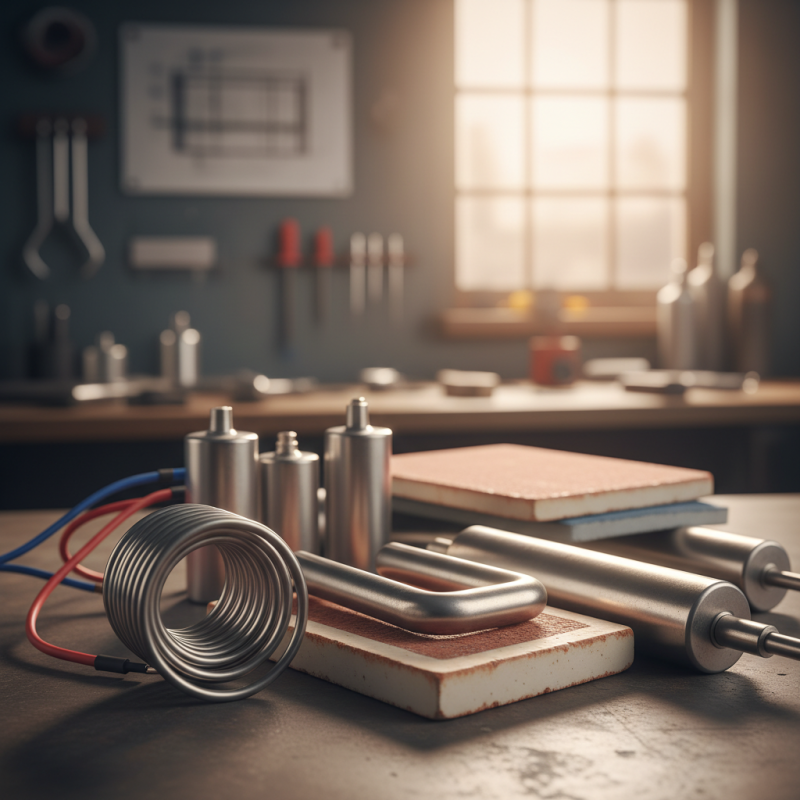
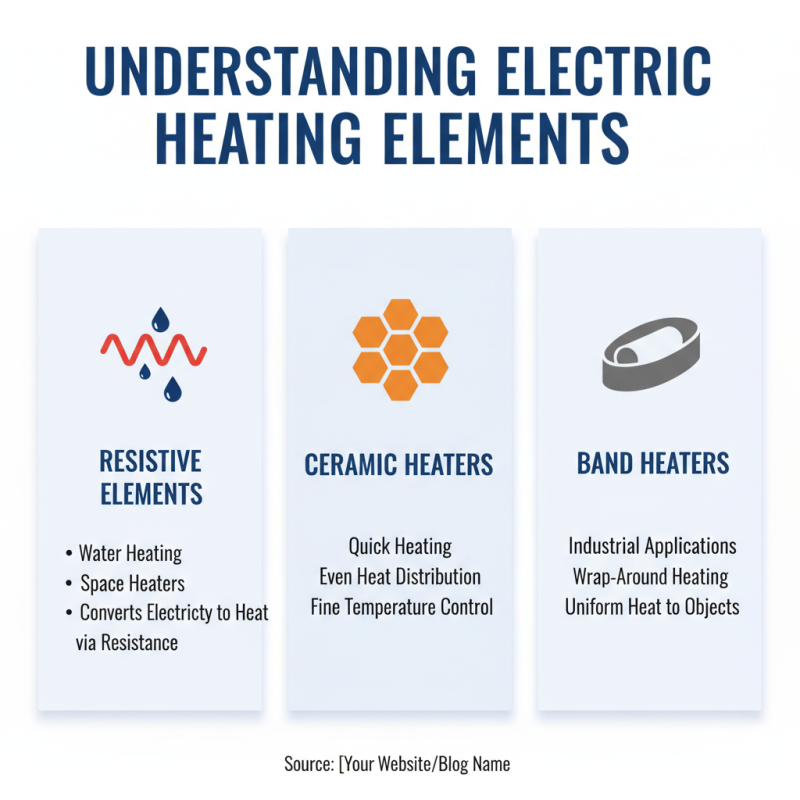
When selecting an electric heating element, understanding the types available is crucial. There are several common types, including resistive elements, ceramic heaters, and band heaters. Each type has its specific applications. Resistive elements are often used for water heating or space heaters. They convert electricity directly into heat through resistance. Ceramic heaters, on the other hand, are known for quick heating and even temperature distribution. They suit applications requiring fine temperature control. Band heaters, typically used in industrial settings, wrap around objects to provide heat evenly.
Consider your specific needs when choosing a heating element. Assess the environment it will be used in. For instance, high humidity may require moisture-resistant options. Review power requirements carefully, as insufficient wattage can lead to slow heating or failure to maintain temperature. Additionally, think about installation. Some elements are easy to install and require minimal tools. Others might be more complex, needing professional help. Balancing efficiency and effectiveness is essential. The ideal heating element should meet your heat output needs while accommodating energy consumption goals.
Evaluating Power Ratings and Efficiency for Your Heating Needs
When selecting an electric heating element, understanding power ratings is crucial. Power ratings, measured in watts, indicate the energy consumption of the element. For example, a 1500-watt heating element will consume more electricity than a 1000-watt element. According to the U.S. Department of Energy, home heating represents nearly 40% of energy use. Thus, efficiency in heating elements can lead to significant cost savings.
Efficiency is equally important. The efficiency rating, or how effectively an element converts electrical energy into heat, varies. Elements with higher efficiency ratings waste less energy and provide better heating. Reports show that energy-efficient models can reduce heating bills by 10-30%. It’s worth noting that some elements may initially cost more but save money in the long run.
Consider your specific heating needs before making a decision. Assessing the size of the area you need to heat is essential. For smaller spaces, a less powerful element may suffice. A common mistake is selecting a heating element without considering long-term energy costs. Balancing initial investment against potential savings can lead to smarter choices.
Material Considerations in Choosing Heating Elements
When selecting electric heating elements, material plays a crucial role. Different materials impact efficiency, durability, and safety. For instance, stainless steel offers excellent corrosion resistance, while copper provides excellent heat conduction. According to industry reports, stainless steel can withstand temperatures up to 1,600°F, making it suitable for high-heat applications.
Another important consideration is the compatibility of the heating element with the intended environment. For example, aluminum elements are lightweight and conduct heat well, but they may not last as long in corrosive environments compared to more robust materials like ceramic. In terms of safety, materials with lower thermal conductivity can reduce the risk of burns and overheating.
**Tip:** Always check for certifications from recognized safety standards organizations. This ensures the materials can handle specific applications without failure.
**Tip:** Don’t overlook cost versus longevity. Sometimes, cheaper materials lead to higher replacement costs over time. Opt for options that may have a higher upfront cost but will save money later.
Understanding these material considerations can help you make a better choice for your heating element needs. Remember, the right material can enhance performance and safety. Always evaluate specific requirements before making a purchase.
Safety Features and Compliance Standards to Look For
When selecting an electric heating element, safety features must take precedence. Effective heating elements should comply with industry standards. The UL (Underwriters Laboratories) report indicates that products meeting these standards have 30% lower failure rates. This significantly reduces risks associated with electrical fires and overheating.
Look for elements equipped with thermal cutoffs. These mechanisms automatically shut down the heating element if it exceeds safe temperatures. Industry studies show that devices with built-in safety features can decrease the likelihood of accidents by 25%. Additionally, check for certifications like CE and RoHS, which indicate compliance with European safety directives.
Another important aspect is the construction material. High-quality materials enhance durability and reduce the risk of hazardous breakage. Elements made with corrosion-resistant coatings last longer and operate safely in various environments. However, some lower-cost items may compromise on these materials. Always weigh cost versus long-term reliability to avoid potential safety failures.
Application-Specific Factors for Selecting Heating Elements
Choosing the right electric heating element is crucial for specific applications. Different settings require unique features from heating elements. For instance, a home water heater needs a different type than an industrial boiler. Consider the temperature range you need. Some applications demand high temperatures, while others function well at lower heat levels.
Another factor is the environment in which the heating element will operate. If it’s exposed to moisture, a corrosion-resistant element is essential. In contrast, elements used in dry environments may prioritize efficiency over durability. The physical size and power requirements also play a role. An element that fits perfectly into a system enhances performance.
Reflect on the material of the heating element. Different materials offer varying thermal conductivity and longevity. However, some might not be ideal for high use or extreme conditions. Balancing cost against durability and performance can be challenging. It’s essential to weigh these factors carefully. Mistakes made in this choice can lead to inefficiencies and higher operational costs.
Electric Heating Element Selection Factors

 +852 60984748