Top 10 Best Stove Heating Elements for Efficient Cooking?
Efficient cooking relies heavily on the right tools. A crucial component in many kitchens is the stove heating element. Renowned chef and appliance expert, Emily Rizzo, emphasizes, "The right heating element transforms a dish from mediocre to remarkable." Choosing the best stove heating element can significantly impact your culinary results.
With various options available, efficiency becomes key. Not all stove heating elements perform the same. Some heat evenly while others may burn food. Understanding these differences requires attention to detail. Each element has unique features that can enhance cooking.
Investing in quality stove heating elements pays off. This decision reflects on taste, texture, and overall meal satisfaction. With so many choices, it's essential to consider performance and reliability. Learning from industry experts can guide your selection. Explore the top contenders and elevate your cooking efficiency today.
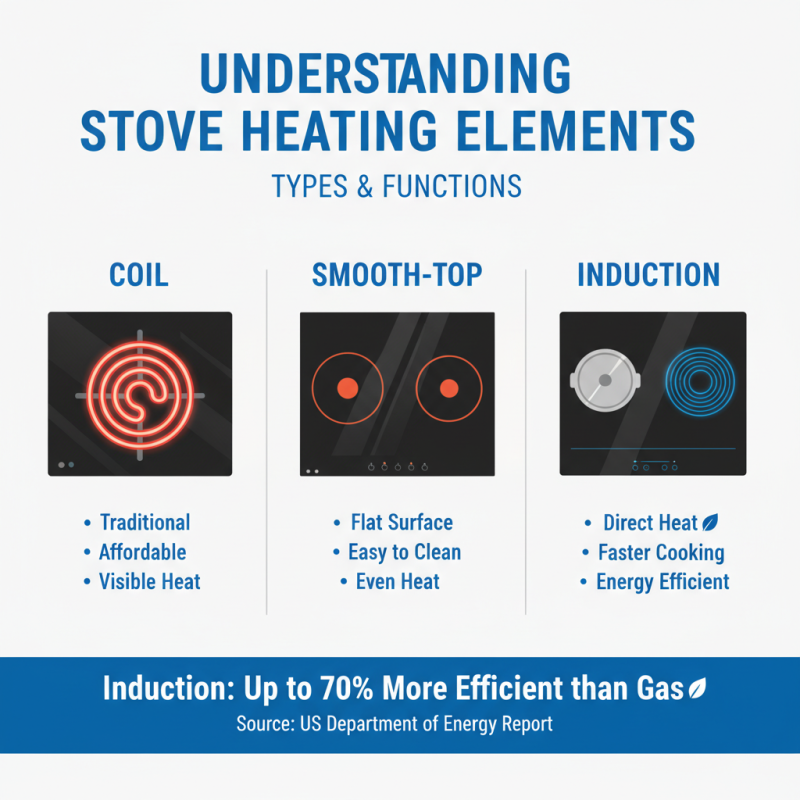
Understanding Stove Heating Elements: Types and Functions
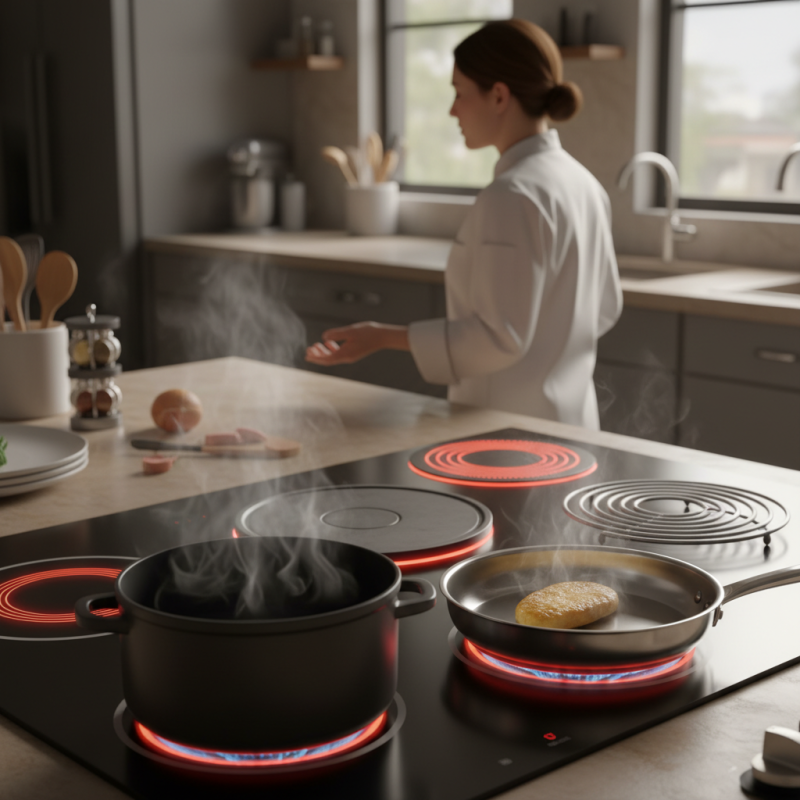
Stove heating elements play a vital role in cooking efficiency. There are various types, including coil, smooth-top, and induction. Each type offers unique advantages. For example, induction elements heat cookware directly, resulting in faster cooking and reduced energy use. According to a report from the U.S. Department of Energy, induction cooking can be up to 70% more efficient than traditional gas cooking.
Understanding the functions of these elements is key. Coil elements provide a more traditional cooking experience. They heat up quickly and are easy to replace. Smooth-top elements offer a sleek design and even heating. However, they require careful maintenance to avoid scratches. Induction cooking can be frustrating for those unfamiliar with its unique requirements, as it necessitates compatible cookware.
While efficiency is crucial, one must also consider user preference. Preferences vary based on cooking style and equipment familiarity. A study by the National Kitchen and Bath Association found that nearly 35% of home cooks prefer the traditional coil elements. This indicates a reluctance to embrace newer technologies. As cooking methods evolve, understanding these elements becomes increasingly important for efficient home cooking.
Factors to Consider When Choosing Heating Elements for Stoves
When selecting heating elements for stoves, several key factors must be considered. Efficiency is paramount. According to the U.S. Department of Energy, electric stoves can be up to 12% more efficient than gas stoves. This means lower energy costs over time. Additionally, the responsiveness of heating elements varies. Induction elements heat quickly but require compatible cookware. This can inadvertently limit options for some users.
Material composition also plays a significant role. Stainless steel and ceramic are commonly used. Each provides different heating characteristics. For instance, ceramic elements may offer more even heating but can be slower to adjust temperatures. Understanding these materials helps in making informed choices. Furthermore, it’s essential to evaluate safety features, such as auto shut-off systems and overheating protection.
User reviews often highlight durability issues. Not all heating elements perform consistently. Regular maintenance is vital to ensure longevity. Some users report diminished efficiency over time, leading to further costs. Making a decision based on a combination of these factors ensures a better cooking experience while managing energy consumption effectively.
Top 10 Best Stove Heating Elements for Efficient Cooking
| Model |
Power (W) |
Material |
Compatibility |
Cooking Time (mins) |
Energy Efficiency |
| Element A |
1500 |
Ceramic |
Electric stoves |
5 |
A+ |
| Element B |
2000 |
Stainless Steel |
Induction stoves |
4 |
A |
| Element C |
1800 |
Copper |
Gas stoves |
3.5 |
B |
| Element D |
1600 |
Aluminum |
All stoves |
6 |
A++ |
| Element E |
2200 |
Porcelain |
Electric stoves |
4.5 |
A |
| Element F |
1400 |
Glass |
Induction stoves |
5.5 |
A+ |
| Element G |
2000 |
Cast Iron |
Gas stoves |
4 |
A |
| Element H |
1600 |
Ceramic |
All stoves |
5.5 |
B |
| Element I |
1800 |
Stainless Steel |
Electric stoves |
4.2 |
A++ |
| Element J |
1500 |
Copper |
Induction stoves |
5 |
A+ |
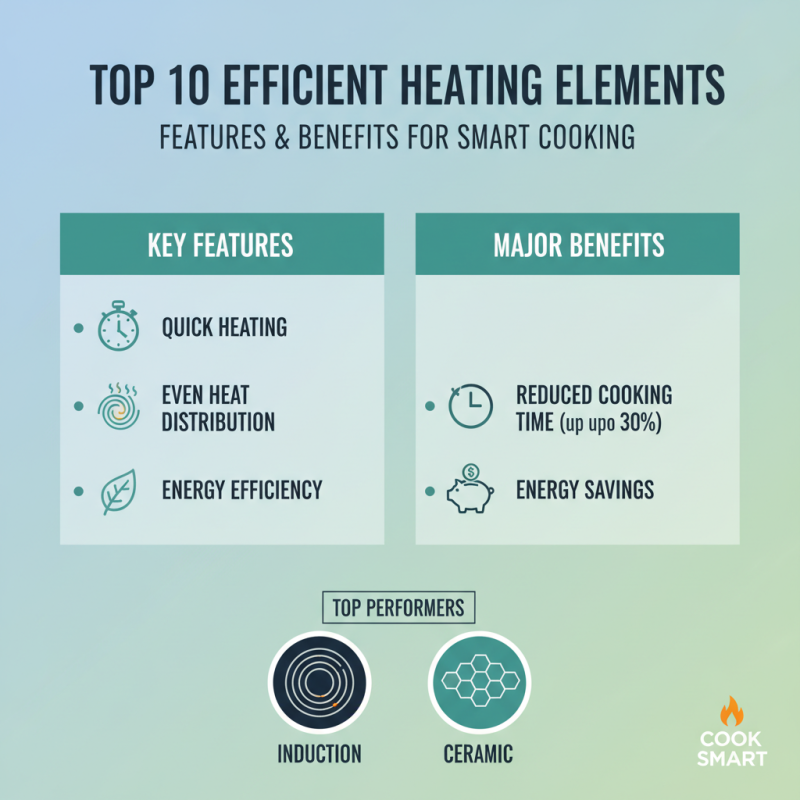
Top 10 Efficient Heating Elements: Features and Benefits
Choosing the right stove heating element is crucial for efficient cooking. When looking for top heating elements, features matter significantly. High-quality elements provide quick heating, even heat distribution, and energy efficiency. Reports indicate that efficient elements can reduce cooking time by up to 30%, translating into energy savings. For example, ceramic and induction heating elements typically rank high in efficiency. They reach desired temperatures faster than traditional ones.
Tips for selecting heating elements: Consider the wattage required for your cooking habits. This impacts heating speed and energy use. Also, look for elements with durable materials; they withstand high temperatures well. Checking user reviews can offer insights into real-world performance and longevity.
Improper choice can lead to uneven cooking. A poorly designed element may create hot spots, affecting meal quality. Watch for signs of wear; they can impact energy use. Quality installations are also essential. Inadequate connections may result in safety hazards or inefficient operation. A reliable heating element is worth the investment for consistent results.
Installation and Maintenance Tips for Stove Heating Elements
When it comes to stove heating elements, installation is crucial for optimal performance. Ensure your stove is unplugged before starting. Carefully remove the old element by detaching the clips or screws. Place the new element in the designated slots, securing it firmly. Check it twice; loose connections can lead to uneven heating or hazards.
For maintenance, regular cleaning is key. Wipe down the heating elements after they cool. Food residue can char and affect heating efficiency. Use a damp cloth and mild cleaner for tough stains. Inspect elements for damage or wear periodically. This can prevent larger issues and unexpected failures.
Remember, even new elements can have flaws. Sometimes they may not heat up correctly. In such cases, recheck the connections. If problems persist, seek professional help. Your safety and cooking efficiency depend on proper installation and maintenance. Stay vigilant and keep your cooking efficient.
Top 10 Best Stove Heating Elements for Efficient Cooking
Comparative Analysis of Top Brands in Stove Heating Elements
Choosing the right stove heating element can greatly enhance your cooking experience. Various brands offer different features, making it important to understand their strengths and weaknesses. Some elements heat up quickly while others maintain a steady temperature longer. Brands vary widely in their efficiency, and some tend to create hot spots, which can affect meal quality.
Reliable sources suggest that materials used in heating elements impact performance. High-quality materials improve durability and resist wear over time. Some elements feature innovative designs that allow for more even heat distribution. However, some brands fail to provide adequate information about their products, leading to uncertainty for consumers. When evaluating these options, consider how often you cook and your cooking style.
Cost is another critical factor. Expensive doesn't always mean better. Some budget-friendly options perform surprisingly well. However, they may lack features found in premium products. Researching user reviews can uncover useful insights. Consumers often share practical experiences with these heating elements, highlighting both positives and negatives. This firsthand feedback offers a clearer picture of long-term performance and reliability.

 +852 60984748