Leave Your Message

How to Install Hot Water Heating Coils for Efficient Heating System?

The installation of Hot Water Heating Coils plays a critical role in ensuring efficient heating systems in residential and commercial spaces. According to the U.S. Department of Energy, over 40% of energy consumption in buildings comes from heating and cooling systems. Implementing efficient heating solutions can drastically reduce energy costs and carbon footprints. Hot Water Heating Coils can optimize this process, delivering heat more effectively than traditional radiators.

Research indicates that systems utilizing Hot Water Heating Coils can achieve energy savings of up to 30%. This technology allows for quicker heat distribution throughout a space, translating to improved comfort levels. However, installation can be complex and requires a thorough understanding of plumbing and heating principles. Common pitfalls include improper sizing of coils and inadequate insulation, which can undermine the system's efficiency.

Addressing these challenges demands careful planning and expert guidance. Professionals often emphasize the necessity of selecting the right materials and configurations tailored to specific environments. Continuous evaluation and adjustment of the heating system are also essential. A well-executed installation of Hot Water Heating Coils not only enhances energy performance but also establishes a sustainable heating solution for the future.
How to Install Hot Water Heating Coils for Efficient Heating System?

Understanding Hot Water Heating Coils and Their Functionality

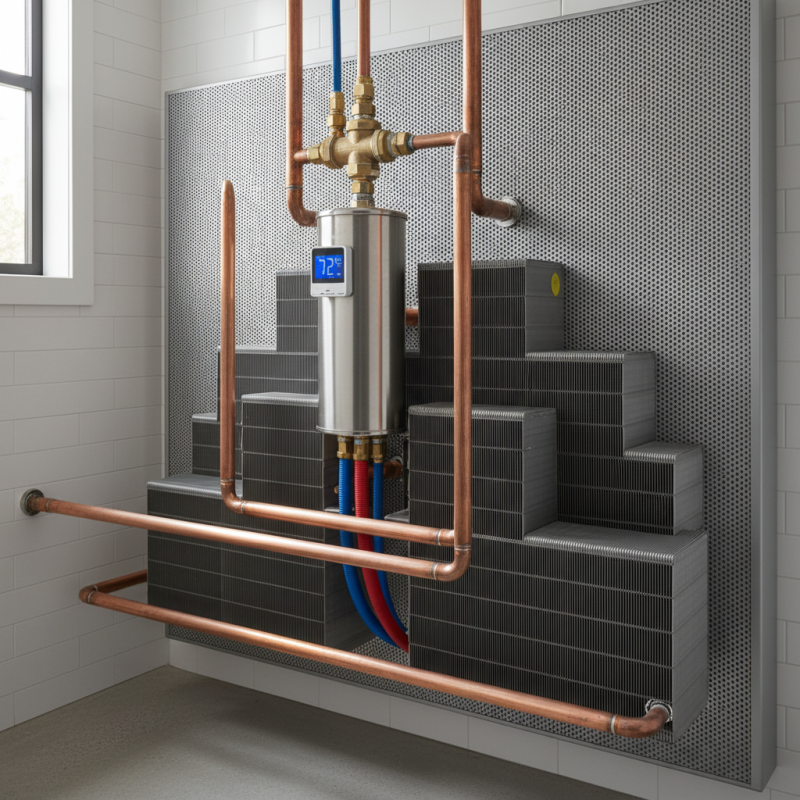
Hot water heating coils are vital components in many heating systems. They operate by circulating hot water through coils, which transfer heat to the surrounding air. This mechanism is crucial for maintaining comfortable indoor temperatures, especially in colder climates. The efficiency of these coils can significantly impact energy consumption. According to a report by the U.S. Department of Energy, inefficient heating systems can waste up to 30% of energy.

Understanding how these coils function can lead to more effective heating solutions. They are usually made of copper or aluminum, materials that conduct heat well. However, not all systems are designed equally. For instance, older heating coils may develop leaks or corrosion over time, reducing efficiency. A study from the American Society of Heating, Refrigerating and Air-Conditioning Engineers (ASHRAE) highlights that regular maintenance can improve efficiency by up to 25%.

Despite their importance, homeowners often overlook the condition of their heating coils. Missing corroded areas or delayed maintenance can lead to higher energy bills and inadequate heating. Maintaining optimal efficiency involves periodic inspections and timely replacements. However, many people hesitate to invest in preventive measures. This reluctance can lead to more severe issues down the line, ultimately complicating the heating process.
Necessary Tools and Materials for Installing Heating Coils

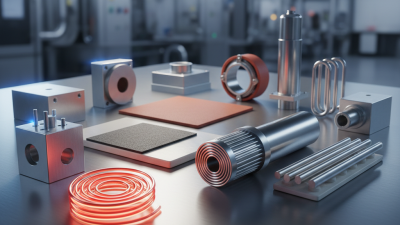
When installing hot water heating coils, having the right tools and materials is crucial. You'll need basic hand tools like wrenches and pliers. These will help manipulate the coils and tighten connections effectively. A pipe cutter is essential for cutting plumbing pipes to the correct size.

Additionally, gather materials like copper or PEX pipes, which are common for heating systems. Don't forget insulation tape; it plays a vital role in preventing heat loss. You’ll also need a water heater and a pump to ensure proper circulation.

Don’t underestimate the importance of safety gear. Gloves and goggles should be on your list. They protect you from sharp edges and hot surfaces. Be prepared for possible mistakes. It’s common to mismeasure or misconnect pipes. Always double-check your work before turning on the system. Each step requires attention to detail to avoid future issues.

Hot Water Heating Coils Efficiency Comparison

Step-by-Step Installation Process for Hot Water Heating Coils

Installing hot water heating coils requires careful planning and execution. Begin by assessing the space where you intend to install the coils. It’s crucial to measure accurately to ensure a proper fit. Gather all necessary tools, including wrenches and pipe cutters. Make sure to follow the manufacturer’s guidelines throughout the process.

Prepare the installation area by turning off the water supply and draining existing lines. This step is vital to prevent leaks. Once the area is ready, position the coils in the designated spots. Secure them using appropriate fasteners. Be mindful of aligning connections with existing plumbing. Tight fittings prevent future complications.

Tips: Always check for leaks after installation. A small leak can cause significant damage over time. Also, consider insulation around the pipes. Insulation increases efficiency and maintains temperature. Lastly, be vigilant during the first heating cycle. Observe for any unusual noises or performance issues. Address them immediately to avoid larger problems down the road.

Testing and Troubleshooting After Installation of Heating Coils

How to Install Hot Water Heating Coils for Efficient Heating System?

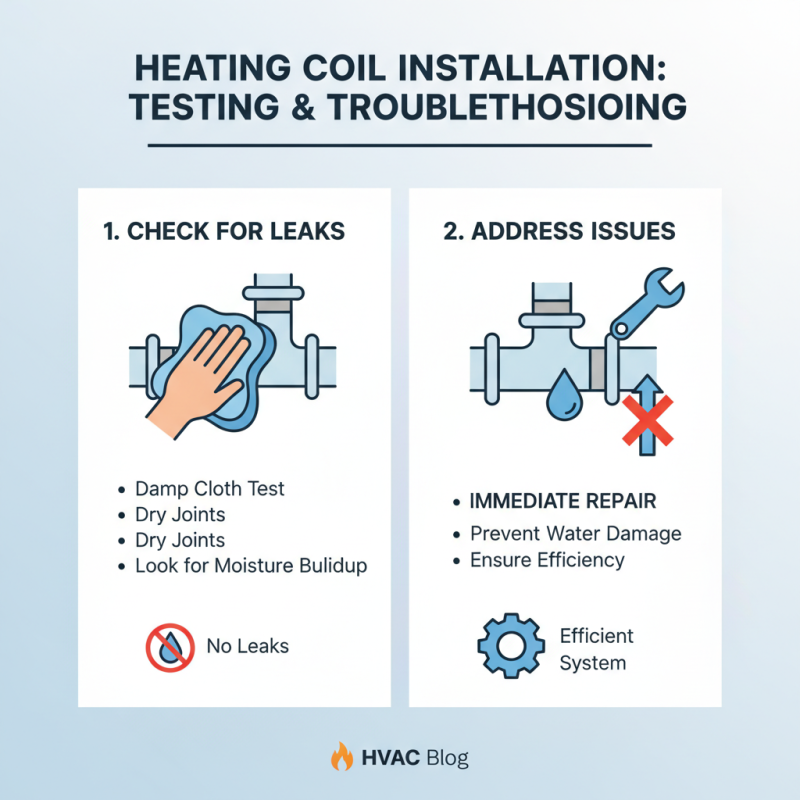
After installing hot water heating coils, proper testing and troubleshooting are essential to ensure an efficient heating system. Start by checking for any leaks. Use a damp cloth to dry the joints and look for moisture buildup. If you find any leaking areas, they must be addressed immediately to prevent water damage.

Monitor the system's performance by assessing the heat output. You can use a thermometer to measure the water temperature at different points in the coils. Ensure that it matches your heating needs. If the temperature is inconsistent, review the installation. Sometimes, improper coil placement can lead to uneven heating.

Tips: Ensure all valves are functioning correctly. A stuck valve can disrupt the flow of hot water. Regularly check the pressure gauge. Low pressure can indicate an issue. Lastly, consider periodic maintenance. This can catch potential problems early, preventing costly repairs later. Remember, even a small oversight during installation can lead to significant issues down the line. Keep an eye on performance and address concerns promptly.

Maintenance Tips for Optimal Performance of Heating Coils

Maintaining hot water heating coils is crucial for their optimal performance. Regular inspection is a necessary step. Experts suggest checking the coils for build-up and leaks at least twice a year. According to the U.S. Department of Energy, improperly maintained coils can lower efficiency by up to 30%. This inefficiency can lead to higher energy costs.

Cleaning the coils ensures that they operate at peak capacity. Dust, dirt, and mineral deposits can form over time. Removing these obstructions can improve heat transfer. A quarterly cleaning routine can significantly boost performance. One study indicated that homes with well-maintained heating systems see a 15% reduction in energy usage.

Keep an eye on the water temperature as well. Maintaining it within optimal ranges can prevent overheating and damage. Regularly flushing the system can help remove sediments. Neglect in this area may result in costly repairs later on. Being proactive with maintenance increases longevity and efficiency.