+852 60984748
Choosing a Dishwasher Heating Element manufacturer involves more than comparing prices or production capacity. Manufacturers worldwide serve appliance brands, repair networks, and distributors with different technical and purchasing needs. Their products help heat wash water and support drying, so consistency matters in everyday use. A dependable supplier should explain operating specifications, materials, testing methods, and product compatibility clearly. Those details are useful when comparing factories across regions.
Heating elements may differ in shape, wattage, connection design, and resistance to repeated heating cycles. Even a small mismatch can affect installation or appliance performance. Details matter. This guide looks at manufacturers through practical criteria, including engineering experience, quality controls, customization options, delivery capabilities, and after-sales support. Buyers can also ask how suppliers inspect components and manage production changes. Clear answers are more valuable than broad promises. Still, public information rarely reveals every factory’s day-to-day performance, and supplier rankings cannot replace direct verification. The comparison is useful, but never complete. Requesting samples, technical documents, and consistent communication can help reduce uncertainty before a purchase. It takes time. The manufacturers featured here represent a starting point for research, not a guarantee that one supplier suits every project. A careful review of product fit and service expectations can lead to a better-informed decision.
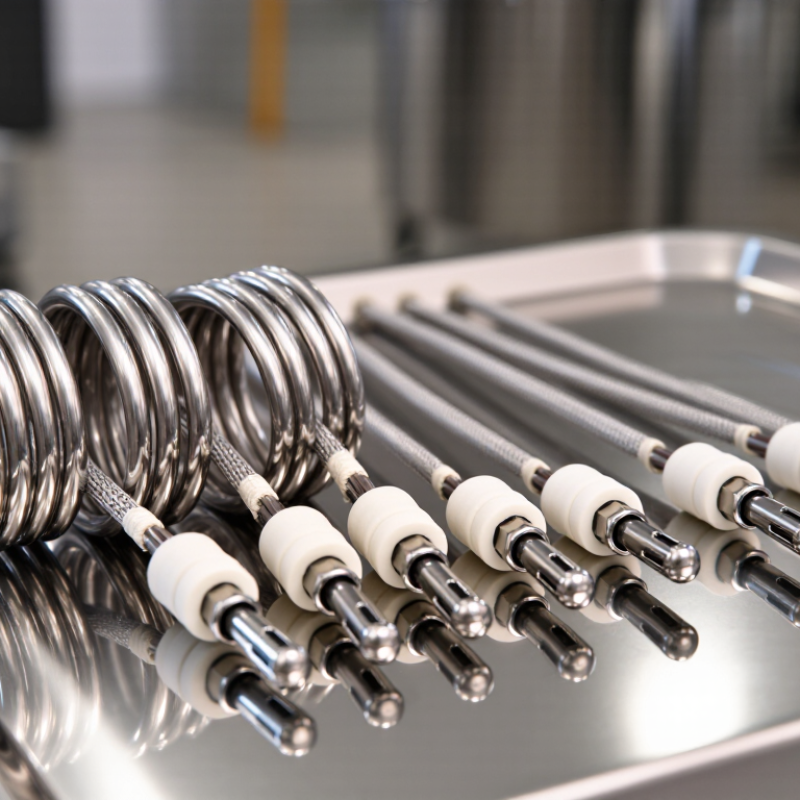
A dishwasher heating element turns electrical energy into heat, much like a small, controlled hotplate beneath the tub. In many models, it warms water during the wash cycle and supports drying afterward. Some designs hide the heater beneath the tub, while others use a visible metal coil. The exact arrangement varies. The control system monitors temperature through a sensor or thermostat, then switches heating on or off as needed. This helps keep water within the intended range instead of heating continuously.
During washing, warmer water helps detergent dissolve and can loosen greasy residue from plates. During heated drying, the element raises the air temperature, helping moisture evaporate from dishes and the stainless-steel interior. It is tempting to assume a hotter cycle always cleans better. It does not; spray coverage, detergent, and loading also matter. That detail is easy to miss.
A faint warmth near the door can be normal, but an unusual burning smell or visible damage deserves attention. Turn off power before any inspection, and leave electrical testing to a qualified technician. The system sounds simple, but small sensor or wiring faults can change how the whole cycle behaves.

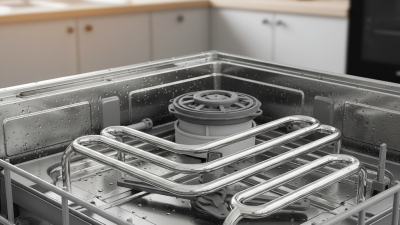
Dishwasher heating elements usually use one of two layouts. An exposed tubular coil sits above the tub floor. A concealed design places the heater beneath the tub or within a water-flow assembly. The exposed coil is easy to inspect, but dishes or plastic items may contact it if loaded carelessly. Concealed designs keep the hot surface out of sight and can support controlled water heating. They may be harder to service. Details matter.
Common sheathed elements contain nickel-chromium resistance wire inside a metal tube. Compacted magnesium oxide electrically insulates the wire while conducting heat outward. Stainless steel or other corrosion-resistant alloys form the sheath; exact grades vary with operating conditions. Ceramic terminals and sealed joints help protect electrical connections from moisture.
In practice, a small defect at a seal can matter more than a polished outer finish. Performance depends on more than rated wattage. Element geometry, water circulation, sensor response, and mineral deposits all affect heating speed and temperature stability. Scale buildup may reduce heat transfer and create hot spots. Repeated heating and cooling also stress joints and insulation.
Design testing commonly examines electrical resistance, leakage, corrosion, and thermal cycling, though methods vary. Higher output is not automatically better: it may shorten heating time, but accurate control still matters. Real kitchens are messy, and loading habits complicate comparisons.
Leading dishwasher heating element manufacturers worldwide serve appliance makers with components built for repeated heat, moisture, and detergent exposure. Their work combines resistance-wire design, insulating materials, metal sheaths, and controlled assembly. Reliable producers document electrical ratings and test for leakage, thermal cycling, and corrosion. Production scale matters, but consistency across batches matters more. A polished catalog alone proves little.
Leading manufacturers distinguish themselves through engineering support, traceable quality checks, and the ability to adapt designs to different dishwasher layouts. Buyers should compare operating temperature, wattage, dimensions, connection style, and expected service life. Ask for test records and sample parts before approving production. A useful supplier explains trade-offs plainly. Still, even careful checks cannot predict every installation issue; fit may vary between appliance models, and specifications can be incomplete.
Tips: Measure the original element and photograph its terminals before requesting a replacement. Confirm voltage and mounting details with a qualified technician. Small details matter. A sample test is worthwhile, even when the paperwork looks convincing.
Industry overview of common dishwasher heating-element designs and manufacturing considerations. Electrical ratings and construction details vary by appliance model and market; the ranges below are representative, not supplier-specific specifications.
| Product or Capability | Common Design Details | Typical Application | Manufacturing Considerations | Selection Checks |
|---|---|---|---|---|
| Exposed tubular heating element | Formed metal-sheathed resistance heater positioned in the dishwasher tub; commonly uses a resistance wire insulated from the sheath with compacted magnesium oxide. | Water heating and, in some designs, assisting with drying in residential dishwashers. | Tube forming, end sealing, terminal assembly, and electrical and leakage testing are important production steps. | Confirm the appliance’s specified voltage, power, shape, terminal layout, and mounting dimensions. |
| Concealed or sump-integrated heater | Heating assembly is installed beneath or within the wash-chamber floor, rather than exposed directly in the tub. | Dishwashers designed to keep the heating surface away from direct contact with dishes and utensils. | Design must fit the sump and circulation system while maintaining electrical insulation and reliable sealing. | Check the exact sump interface, sensor arrangement, seals, connectors, and compatible appliance configuration. |
| In-line or flow-through heater | Water is heated as it passes through a separate heater housing, often integrated with the circulation path. | Appliances that use a compact water-heating module in the hydraulic circuit. | Requires attention to water-path geometry, pressure integrity, thermal control, and electrical isolation. | Verify flow direction, hose or port connections, operating pressure requirements, and control-system compatibility. |
| Resistance heating materials | Nickel-chromium resistance wire and magnesium-oxide electrical insulation are common materials in sheathed resistance heaters; sheath alloys are selected for the intended environment. | Used across multiple tubular and integrated heater constructions. | Material selection and processing affect electrical insulation, heat transfer, corrosion resistance, and service life. | Review the heater’s specified material construction and suitability for the appliance’s water and temperature conditions. |
| Voltage and power configurations | Dishwasher heater ratings are designed for the target appliance and electrical market. Residential designs commonly use mains-voltage ratings, with power selected by the appliance manufacturer. | Market-specific dishwasher platforms and replacement-part applications. | Manufacturers must control resistance, tolerances, and terminal design to meet the rated electrical input. | Match the original rating plate or appliance service specification; do not assume that a visually similar heater is electrically interchangeable. |
| Temperature sensing and protection | Heating systems may work with temperature sensors, thermostats, and appliance control logic; protective devices depend on the design. | Controlled wash and rinse temperature operation. | Component placement and calibration must align with the appliance’s thermal-control strategy. | Confirm sensor type, connector arrangement, and any specified over-temperature protection. |
| Quality and safety verification | Common verification activities include resistance checks, dielectric-strength testing, insulation-resistance testing, and checks for sealing or leakage where applicable. | Production qualification and ongoing manufacturing quality control. | Test limits and procedures are determined by the product design, applicable regulations, and customer requirements. | Request test documentation and verify that the complete appliance complies with applicable requirements, including IEC 60335-1 and IEC 60335-2-5 where relevant. |
Dishwasher heating element manufacturers differ in more than shape and wattage. Some focus on exposed tubular elements, while others produce concealed designs integrated beneath the wash chamber. Material selection, insulation, terminal layout, and surface finish affect heat transfer and resistance to corrosion. Small details matter. A poorly sealed connection may become a weak point after repeated heating and cooling cycles.
Production capability varies, too. A factory with automated forming and welding equipment may hold consistent dimensions across large orders. Smaller or more flexible facilities may handle custom bends, connector positions, or trial batches more readily. Ask how samples are tested, not just how many units can be made. Temperature cycling, electrical checks, and leak inspections offer useful evidence, though test methods are not always directly comparable.
Documentation can reveal differences that a product sheet misses. Look for material specifications, dimensional tolerances, inspection records, and clear identification of production lots. These details help engineers trace variation when an element does not fit or heat as expected. Still, no specification guarantees the same service life in every dishwasher. Water quality, installation, and operating patterns can change performance, and that part is easy to underestimate.
When comparing dishwasher heating element suppliers, assess more than rated wattage. Ask for resistance tolerance, heat-up time, temperature uniformity, insulation performance, and cycle-life test results. A low-cost element may meet nominal specifications yet develop hot spots after repeated heating and cooling. Request test conditions, not just pass marks: water hardness, operating temperature, and number of cycles can change the outcome. Small details matter.
Energy performance also deserves scrutiny. U.S. EPA ENERGY STAR dishwasher data reports that certified models use about 12% less energy and 30% less water than standard models. These figures describe whole appliances, not heating elements alone, but they show why component efficiency and control compatibility matter. Suppliers should provide traceable material records, production inspection data, and samples tested in the buyer’s actual tub and control system. Ask how they monitor resistance variation between batches. A polished datasheet is useful, but it cannot replace repeatable results. One point is easy to overlook: field failures may reflect installation or water conditions, not the element alone. Compare warranty claims alongside laboratory testing.
Electrical compatibility is a key supplier comparison factor. These nominal household mains-voltage examples show why heating elements must be specified for the destination market; actual appliance requirements vary by model and should be confirmed against its rating plate.