Top 10 Dishwasher Heating Element Problems and Solutions
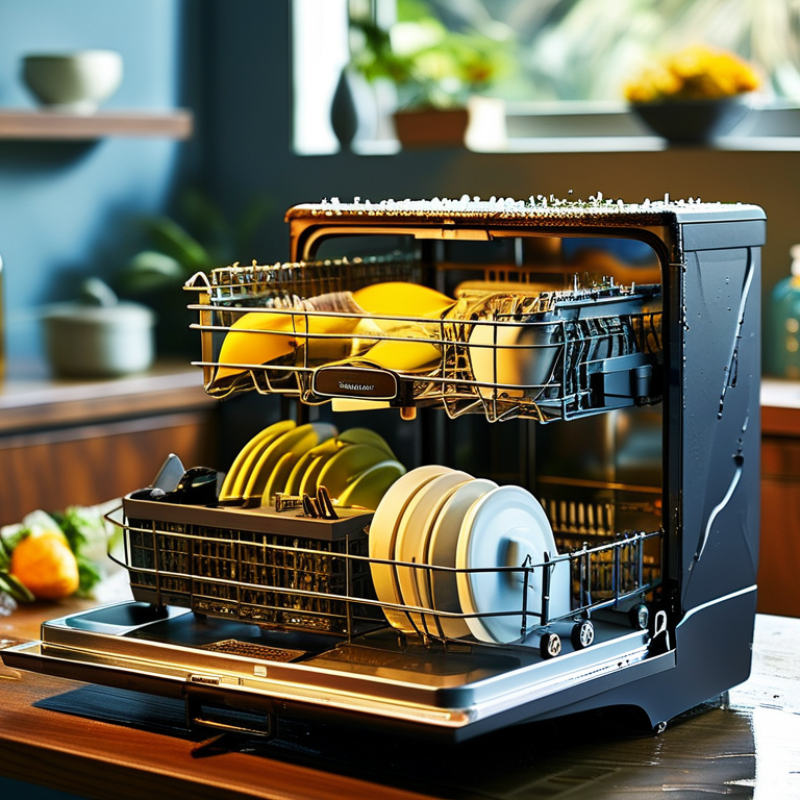
A functioning dishwasher is essential for modern kitchens, saving time and effort. However, the heart of this appliance, the Dishwasher Heating Element, often faces problems. Understanding these issues can greatly improve your dishwashing experience.
Many users notice their dishes are not thoroughly cleaned. This often points to a failing heating element. Without proper heating, water does not reach a high enough temperature for optimal cleaning. Additionally, humidity can lead to rust in the component, causing further complications.
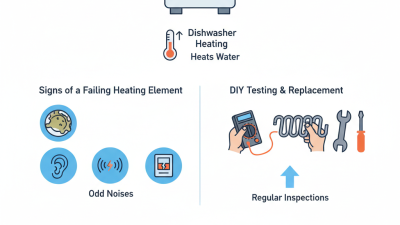
Recognizing the signs of heating element failure is crucial. Whether it’s odd noises, slow heating, or incomplete cleaning cycles, these issues need attention. Addressing them promptly can save you from costly repairs or replacements. It’s vital to be aware of these common problems and their solutions to ensure your dishwasher operates efficiently.
Common Symptoms of Dishwasher Heating Element Failures
A malfunctioning dishwasher heating element can lead to several noticeable symptoms. One common indicator is insufficient heating during the wash cycle. If dishes remain dirty or greasy after a cycle, the heating element may not be working. Industry studies reveal that nearly 30% of complaints about dishwashers relate to poor cleaning performance, often tied to heating issues.
Another symptom is inconsistent drying. When the heating element is failing, dishes may come out damp, and plastics might remain particularly wet. The 2022 Appliance Repair Statistics Report showed that nearly 50% of callouts for dishwasher repairs were linked to drying problems. If you notice moisture accumulation in your dishwasher, it’s time to investigate further.
Strange sounds during the heating cycle can also be a red flag. A failing heating element might produce unusual noises, including buzzing or humming. Regular maintenance can prevent severe issues, but many users overlook this. Failing to address these signs promptly can lead to costlier repairs down the line.
Understanding the Role of the Heating Element in Dishwashers
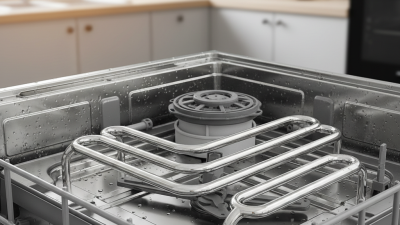
The heating element is crucial for any dishwasher. It heats water to a high temperature to effectively clean dishes. Typically, it is located at the bottom of the machine. This element ensures that water reaches around 140°F to 160°F. Without proper heating, grease and food particles can cling to dishes, resulting in poor cleaning performance.
Over time, heating elements can encounter problems. These include insufficient heating or even total failure. In some cases, sediment buildup affects their efficiency. It's essential to monitor the dishwasher's performance. Low water temperatures can indicate a failing element. Regular maintenance can help extend the life of this component.
Understanding the role of the heating element can prevent significant issues. Homeowners should periodically check for signs of wear. Listening for unusual noises during the cycle might offer clues. Such preventative steps can save both time and repair costs, ensuring dishes come out sparkling clean.
Top 10 Dishwasher Heating Element Problems and Solutions
Step-by-Step Guide to Diagnosing Heating Element Issues
Diagnosing heating element issues in your dishwasher can be a straightforward process. Begin by checking for signs of damage or corrosion on the heating element itself. A visual inspection often reveals cracks or rust, which can lead to malfunction. Pay attention to the wiring connected to the element. Loose or damaged wires can cause heating problems.
To test if the heating element is functioning correctly, use a multimeter. Set it to the resistance measurement mode. Remove the element from the dishwasher and attach the multimeter probes to the terminals. A reading of zero indicates a short, while an infinite reading suggests a break in the element. If uncertain about your readings, consulting an expert can provide clarity.
Tips: Regularly inspect your dishwasher's heating components. Keeping them clean can improve performance. Consider maintaining a maintenance log. This helps track problems over time. Knowing when issues arise can prevent future mishaps. Remember, lingering issues may hint at deeper faults that deserve proper evaluation. It's important to invest time in troubleshooting. Your dishwasher's efficiency depends on it.
Top 10 Dishwasher Heating Element Problems and Solutions
| Problem |
Symptoms |
Possible Causes |
Solution |
| Heating Element Not Working |
Dishes not getting clean, cold water left in the bottom |
Burned out element, electrical issue |
Test the heating element with a multimeter and replace if faulty |
| Leaking Heating Element |
Water pooling near the heating element |
Crack or damage to the element |
Inspect for damage and replace the heating element if necessary |
| Overheating |
Burnt smell, possible tripped circuit breaker |
Thermostat malfunction |
Check thermostat settings and replace if faulty |
| Inconsistent Heating |
Some dishes clean, others not |
Faulty heating element or wiring issues |
Inspect and test all connections, replace heating element if needed |
| Noisy Heating Element |
Loud humming or popping noises |
Element scaling or electrical issue |
Descale the heating element and check electrical connections |
| Faulty Wiring |
No power to the element |
Damaged or loose wires |
Inspect wiring and repair or replace as needed |
| Element Not Seated Properly |
Heater loose, inconsistent heating |
Improper installation or wear |
Remove and reseat the heating element securely |
| Corrosion on Heating Element |
Visible rust, poor performance |
Age, prolonged exposure to water |
Replace the heating element if corrosion is significant |
| Control Board Issues |
Element not activating |
Software or hardware failure |
Diagnose control board, repair or replace as needed |
Effective Solutions for Heating Element Repair and Replacement
A dishwasher's heating element plays a crucial role in ensuring clean dishes. However, these elements can fail for various reasons, leading to poor cleaning performance. According to industry reports, over 30% of dishwasher repairs are related to heating elements. Common issues include broken wiring, mineral buildup, and defective thermostats. If you notice food residues on your plates after a cycle, it may indicate heating element problems.
Repairing these components requires a systematic approach. First, it's essential to diagnose the issue accurately. Use a multimeter to check for continuity. If the element is faulty, replacement may be necessary. Upgrading to a new heating element can improve efficiency and longevity. Some studies suggest that replacing a broken heating element can enhance cleaning performance by up to 40%.
Maintenance is key to preventing future issues. Regularly clean the dishwasher's filter and check the heating element for mineral deposits. A simple vinegar wash can reduce buildup and promote better function. Ignoring these steps might lead to costly repairs. A proactive approach ensures your dishwasher operates efficiently, preserving both its lifespan and your investment.
Preventative Measures to Extend Dishwasher Heating Element Life
One of the best ways to extend the lifespan of your dishwasher’s heating element is through regular maintenance. Routine cleaning can prevent mineral buildup that hinders its efficiency. Check the filters and clean them monthly. This simple task can promote better water flow, ensuring that the heating element works effectively. Pay attention to any strange noises during operation; they might indicate an issue with the heating element.
Another crucial step is to monitor the water temperature. If your dishwasher consistently runs at higher temperatures, it may strain the heating element. Avoid using excessively hot water from the tap as it may lead to premature burnout. Consider using a temperature setting that balances cleaning power with the heating element's longevity. Regularly inspecting for leaks is also vital, as water exposure can cause damage over time. This combination of proactive care and strategic adjustments can significantly increase the efficiency and lifespan of your dishwasher’s heating element.

 +852 60984748