Leave Your Message

Top 10 Tips for Choosing a Dishwasher Heating Element?

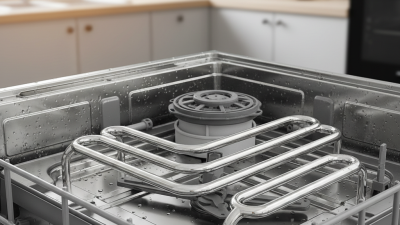
When selecting a dishwasher heating element, many factors come into play. The dishwasher heating element is crucial for efficient cleaning and drying. Choosing the right one can be daunting. An unreliable heating element might lead to poor performance.

Each dishwasher model has unique requirements. Understanding these specifications is vital. A mismatch can result in inefficiency or even appliance damage. Researching your unit's compatibility is essential. Not all heating elements work with every brand.

Consider the energy efficiency of the heating element. A more efficient model can lower your utility bills over time. While cost is a factor, durability and effectiveness should be prioritized. Reflect on the usage frequency and choose wisely. A well-informed decision leads to satisfaction and long-term reliability.

Top 10 Tips for Choosing a Dishwasher Heating Element?

Key Factors to Consider When Selecting a Dishwasher Heating Element

When selecting a dishwasher heating element, key factors should be carefully considered to ensure optimal performance. The size and voltage of the heating element are crucial. A mismatch can lead to inefficiencies or even breakdowns. Verify the specifications of your dishwasher model. This prevents complications during installation.
Material is another vital element. Stainless steel is preferred for its durability and resistance to corrosion. Cheaper materials may degrade quickly. They may not withstand high temperatures consistently. Evaluate the warranty offered by manufacturers. A longer warranty suggests confidence in their product.

Installation requirements shouldn't be overlooked. Some elements are easier to install than others. Assess whether professional installation is necessary. DIY can save money, but it requires the right tools and expertise. Ensuring proper connections and settings is essential to avoid overheating. Maintaining your heating element is critical for longevity. Regular cleaning can prevent buildup, leading to improved efficiency.


Understanding Different Types of Dishwasher Heating Elements Available

When it comes to choosing a dishwasher heating element, understanding the different types available is crucial. Generally, there are two main types: traditional resistance heating elements and more modern heat exchangers. Traditional heating elements work by converting electrical energy into heat, which can lead to uneven heating in some cases. Reports indicate that 30% of dishwasher issues stem from inadequate heating.

Heat exchangers, on the other hand, utilize a water heating process that is often more efficient. They are known to save energy, as they heat water only when necessary. According to the Department of Energy, using heat exchangers can reduce energy consumption by up to 25%. However, they may require more complex maintenance and could lead to potential inefficiencies if not properly installed.

The choice between these elements can significantly influence your dishwasher's performance. Understanding each type helps in making a more informed decision. Not every home suits a single design, so a one-size-fits-all approach rarely applies. The decision should reflect your specific needs and kitchen setup. Remember, poorly matched heating elements can lead to higher energy bills and unsatisfactory cleaning results.

Assessing Compatibility with Your Dishwasher Model and Specifications

Choosing the right dishwasher heating element is crucial for efficient operation. Understanding compatibility with your dishwasher model is the first step. Each dishwasher has specific requirements based on its design and functionality. Ensure you have your model number handy. This helps you locate the correct parts easily.

Check the technical specifications of your current heating element. Compare wattage, dimensions, and connection types. These factors can greatly impact performance. A mismatch could lead to ineffective heating or even damage. Many people overlook this aspect, only to face costly repairs later.

Consider the age of your dishwasher. Older models may need specific components that newer models don't support. Take time to research your options fully. Watch for signs of wear in your heating element. If it looks corroded or burnt, it’s time for a replacement. Reflect on your choices carefully before making a decision.

Evaluating Energy Efficiency Ratings of Heating Elements

When selecting a heating element for your dishwasher, energy efficiency should be a top priority. Look for elements with high energy efficiency ratings. These ratings indicate how effectively the element converts electrical energy into heat. A higher rating usually means lower energy costs over time. This is crucial for eco-conscious consumers looking to reduce their carbon footprint.

Consider the wattage of the heating element as well. Elements with higher wattage tend to heat water more quickly. However, they may also consume more electricity. A balance must be struck between heating performance and energy savings. Take time to research and compare different options in terms of efficiency.

Choosing the right heating element also involves understanding its lifespan and reliability. Manufacturers provide different durability levels. An element with a shorter lifespan may seem cheaper initially but can lead to longer-term costs. Weigh the upfront costs against the potential energy savings. This decision can significantly impact your energy bills and overall satisfaction with your appliance.

Top 10 Tips for Choosing a Dishwasher Heating Element - Evaluating Energy Efficiency Ratings

This bar chart displays the energy efficiency ratings of various dishwasher heating elements. A lower kWh/year rating indicates greater efficiency.

Tips for Installation and Maintenance of Your Dishwasher Heating Element

When installing a dishwasher heating element, careful attention to detail is essential. Start by disconnecting the power supply to ensure safety. If you skip this step, you risk electrical shock. Once you've safely accessed the dishwasher, take a close look at the old heating element. Note how it is connected to the wiring and plumbing. This observation helps avoid mistakes during reinstallation.

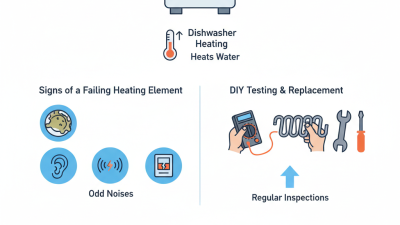
Proper maintenance of the heating element can prolong its lifespan. Regularly inspect for any signs of corrosion or wear. This can include checking for leaks or unusual noises. These indicators often signal a need for immediate attention. Cleaning the heating element periodically also prevents mineral buildup, which can impede its efficiency.

Using the right tools for installation is critical. Ensure you have appropriate screwdrivers and pliers. If you use an unsuitable tool, you could damage the heating element. Lastly, after installation, run a test cycle to confirm that everything functions properly. Watching for any abnormal behavior during this test can reveal issues early on. Emphasizing attention to these details will enhance your dishwasher's performance and reliability.

Top 10 Tips for Choosing a Dishwasher Heating Element

Tip Description Considerations
1. Check Compatibility Ensure the heating element is compatible with your dishwasher model. Refer to the user manual for compatibility details.
2. Assess Wattage Select an element with the appropriate wattage for effective heating. Higher wattage typically heats water faster.
3. Look for Durability Choose elements made from robust materials to withstand high temperatures. Stainless steel is often recommended.
4. Consider Installation Ease Opt for elements that are easy to install for DIY repairs. Look for user-friendly installation guides.
5. Warranty Coverage Choose elements that come with a solid warranty for peace of mind. A longer warranty often indicates higher quality.
6. Research Customer Reviews Read reviews to gauge reliability and performance from other users. Look for consistently high ratings.
7. Compare Prices Shop around to find the best price without sacrificing quality. Beware of prices that are too low as they may indicate poor quality.
8. Check for Safety Certifications Ensure the heating element meets safety standards for electric appliances. Look for certification marks on the product.
9. Estimate Lifespan Consider the average lifespan of the heating element as part of your decision. Older models may have shorter lifespans due to wear and tear.
10. Seek Professional Advice Consult a technician if unsure about your choice or installation. Professional guidance can prevent future issues.