2026 How to Replace a Dishwasher Heating Element for Optimal Performance?
In the fast-paced world of home appliance technology, the importance of a functioning Dishwasher Heating Element cannot be overstated. According to a recent industry report from the Appliance Manufacturers Association, over 70% of dishwashers rely heavily on an efficient heating element for optimal cleaning performance. This critical component heats water to the necessary temperatures, ensuring effective sanitation. Failure of this part can lead to subpar results, leaving users with dirty dishes and frustration.
Expert insights reinforce this notion. Emily Foster, a leading authority in home appliance engineering, has stated, "A dishwasher cannot perform effectively without a properly functioning heating element." Her expertise underlines the necessity for homeowners to be proactive in maintaining or replacing their heating element. Neglecting this aspect can result in greater long-term costs due to inefficiency and damage.
Understanding how to replace a Dishwasher Heating Element is crucial for anyone aiming to enhance their appliance’s performance. Many users may not realize the subtle signs indicating that replacement is necessary. From inconsistent cleaning to longer cycle times, these issues often warrant a closer inspection. Adopting a hands-on approach can help users avoid costly service calls and improve their appliance’s longevity.

Understanding the Role of a Dishwasher Heating Element
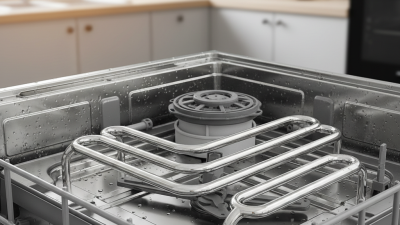
A dishwasher heating element plays a crucial role in how effectively your appliance operates. It heats the water to the right temperature, ensuring optimal cleaning and sanitization. If this element malfunctions, you'll notice dishes aren't coming out clean or sanitized. Understanding its importance can help you maintain your dishwasher’s performance.
To ensure you’re getting the best results, check your heating element regularly. Look for any visible damage or corrosion. A faulty element might not heat water sufficiently. Always make sure to disconnect the power before inspecting or replacing the element. This is crucial for safety and efficiency.
Tips for maintaining your dishwasher heating element include keeping the appliance clean. Regularly remove food debris that can trap heat. Also, consider using dishwasher-safe cleaners to avoid mineral buildup. Proper water temperature settings can enhance cleaning effectiveness. Always refer to your user manual for specific guidelines on optimal performance and maintenance practices.
Signs Your Dishwasher Heating Element Needs Replacement
When your dishwasher fails to clean dishes effectively, the heating element may be the culprit. One clear sign is the presence of dishwasher drain issues. If you notice leftover food particles on dishes, it could indicate that water isn't reaching the right temperature. A functioning heating element is essential for proper cleaning.
Visual inspection can also reveal issues. Look for any signs of corrosion or breaks in the heating element. If you find rust or mineral buildup, it may be time to replace it. Another indicator is your energy bill. An inefficient heating element can raise your electricity costs.
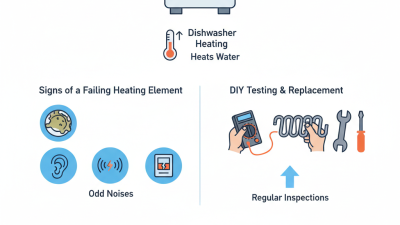
Odd noises during the wash cycle can also signal a problem. If you hear excessive humming or buzzing, the heating element might be struggling. Ignoring these signs could lead to further damage or higher repair costs. Regularly checking for these symptoms can save you time and money. Remember, maintenance is key to dishwasher longevity.
Tools and Materials Required for Replacing the Heating Element
Replacing a dishwasher heating element requires specific tools and materials. Gather a screwdriver set, pliers, and a multimeter. Ensure you have a replacement heating element compatible with your dishwasher model. A towel or sponge can help soak up any water. Having an appropriate work surface is essential to avoid losing tools.
Before starting, disconnect the dishwasher from power and water. This step is crucial for safety. Inspect the old heating element for signs of damage. Look for cracks or corrosion. Be prepared for unexpected challenges, like rusted screws. These can delay the process. Remember to keep all parts organized. Losing screws or clips can complicate reassembly later.
Having the right tools is just as important as knowing how to use them. If unsure about a step, refer to online resources or consult a professional. It’s okay to take breaks and reevaluate your progress. Sometimes, you may find that the problem lies elsewhere. Being adaptable is part of the process. Each step is a learning opportunity, making you more skilled for future repairs.
Dishwasher Heating Element Replacement Efficiency
Step-by-Step Guide to Removing the Old Heating Element
Replacing a dishwasher heating element can seem daunting, but with the right approach, it’s manageable. Industry data suggests that nearly 30% of dishwasher issues stem from heating problems. When tackling this task, understanding how to remove the old element is crucial.
Begin by disconnecting the power supply for safety. You'll often find the heating element located at the bottom of the dishwasher. Next, empty the appliance and carefully unscrew any mounting brackets holding the element in place. Many users forget to detach the wires connected to the element. Take time here; pulling too hard can damage the wiring or surrounding components. According to appliance repair studies, improper handling during this step is a common oversight.
After removing the old element, inspect the area for mineral buildup or debris. This can affect the performance of your new element. Once cleared, ensure that your new heating element fits snugly. It’s vital to follow the specifications for weight and size to avoid future issues. Awareness of these details enhances not only the lifespan of the new part but also your dishwasher’s efficiency. Neglecting such steps can lead to recurring problems, reflecting the importance of attention to detail in appliance maintenance.
2026 How to Replace a Dishwasher Heating Element for Optimal Performance?
| Step |
Description |
Estimated Time (Minutes) |
Tools Required |
| 1 |
Unplug the dishwasher and turn off the water supply. |
5 |
None |
| 2 |
Remove the lower spray arm and the cover of the heating element. |
10 |
Screwdriver |
| 3 |
Disconnect the wires from the old heating element. |
5 |
Wire cutter/stripper |
| 4 |
Remove the old heating element from its mounting. |
10 |
Socket wrench |
| 5 |
Install the new heating element in place. |
10 |
None |
| 6 |
Reconnect the wires to the new heating element. |
5 |
None |
| 7 |
Reassemble the spray arm and cover. |
5 |
Screwdriver |
| 8 |
Turn the water supply back on and plug in the dishwasher. |
5 |
None |
Installing the New Heating Element for Optimal Performance
Replacing a dishwasher heating element can significantly impact performance. An efficient heating element ensures dishes are properly cleaned and sanitized. According to industry reports, approximately 30% of dishwasher malfunctions are attributable to heating element issues. Understanding how to install a new element correctly is crucial for optimal results.
Begin by ensuring that you have the correct parts. Remove the dishwasher's bottom plate to access the heating element. This process can be daunting, particularly for those unfamiliar with appliance repair. Remember, taking careful notes of where wires connect can alleviate confusion during reassembly. Industry standards indicate that a properly functioning heating element can increase energy efficiency by up to 20%. This translates to savings on utility bills.
Once replaced, test the dishwasher with a load of dishes. Observe the temperature on the drying cycle. If the dishes are still wet or the cycle times seem prolonged, recheck your installation. A common error is not securing the element tightly, which can lead to inconsistent heating. Be patient and meticulous. This step is key to achieving the desired performance and reliability.

 +852 60984748