How to Improve Efficiency of Your Water Heater Coil?
Improving the efficiency of your water heater coil is essential for saving energy and enhancing performance. Experts like John Reynolds, a renowned engineer specializing in heating systems, emphasize, "A well-maintained water heater coil can significantly reduce energy costs." This statement highlights the critical role that water heater coils play in any heating system.
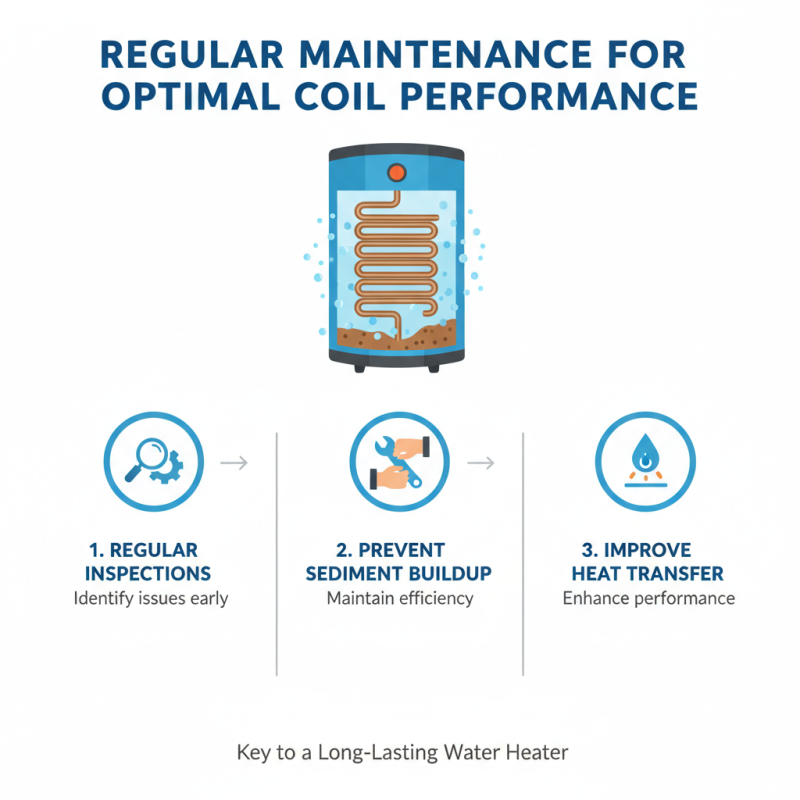
Regular maintenance is fundamental. Neglecting the water heater coil can lead to reduced efficiency, higher energy bills, and unnecessary wear. Scaling and mineral buildup can affect the coil's heat transfer capabilities. You might not notice these issues until it's too late.
Consider the age and material of your water heater coil. Older models may not perform as efficiently as newer ones. Additionally, ensure the coil is adequately insulated. Better insulation can improve heat retention and efficiency. Reviewing other maintenance tips is also valuable. Evaluating the current system can lead to significant improvements.
Understanding the Function of Water Heater Coils
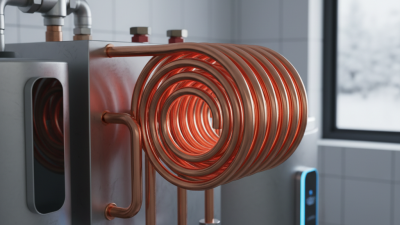
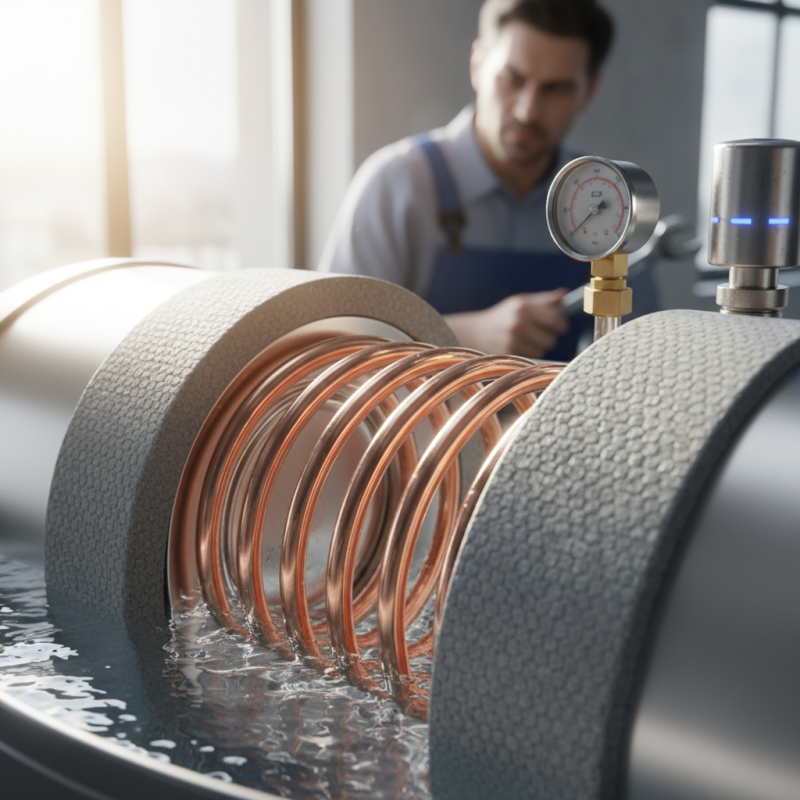
Water heater coils play a crucial role in heating water efficiently. They transfer heat from the heating element to the water. Understanding this process can help improve overall efficiency. Coils are typically made of copper or stainless steel due to their excellent thermal conductivity. Over time, sediment buildup can reduce their effectiveness. Regular maintenance, including cleaning the coils, can prevent this issue.
The energy consumed by your water heater largely depends on coil performance. If coils are covered with lime or rust, heat transfer decreases. This results in longer heating times and higher energy bills. Insulating the coils is another way to enhance efficiency. Proper insulation reduces heat loss, allowing water to heat faster and maintain temperature better.
Many homeowners overlook the importance of monitoring their coils. A periodic check can help identify wear or buildup that needs addressing. Inadequate attention may lead to more significant problems down the line. Finding the right balance between maintenance and usage will ensure your water heater operates efficiently.
How to Improve Efficiency of Your Water Heater Coil? - Understanding the Function of Water Heater Coils
| Dimension |
Data |
| Coil Material |
Copper |
| Coil Diameter |
1 inch |
| Length of the Coil |
20 feet |
| Heating Efficiency |
90% |
| Heat Transfer Rate |
300 BTU/hr |
| Operational Temperature |
120°F |
| Average Lifespan |
15 years |
| Maintenance Frequency |
Yearly |
Identifying Common Efficiency Issues in Water Heater Coils
Water heater coils are vital for efficient heating. However, common issues can hinder their performance. Scale buildup is a significant problem. It forms on the coil, reducing heat transfer. When this happens, the heater works harder, wasting energy. Regular maintenance can help identify scale and address it before it becomes a bigger issue.
Another common issue is improper insulation. If the coils are not well-insulated, heat escapes. This leads to inadequate heating of water. Insulation upgrade can significantly improve efficiency. Check for gaps or wear in existing insulation. Ensuring a snug fit around the coils can make a noticeable difference.
Lastly, sediment accumulation in the tank may affect coil efficiency. This sludge can block water flow and heating. In many cases, flushing the tank annually can prevent buildup. However, not all homeowners prioritize this task. Remember, even small inefficiencies can add up over time. Regular checks can enhance the system's longevity and save energy.
Insulating Water Heater Coils for Enhanced Heat Retention
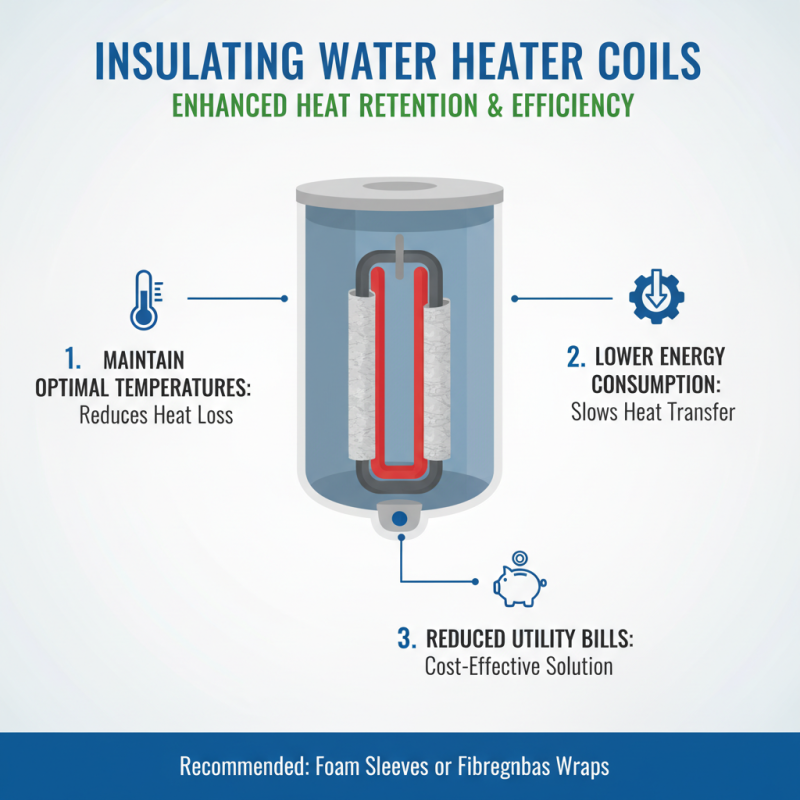
Insulating water heater coils is essential for improving efficiency. By reducing heat loss, insulation helps maintain optimal water temperatures. Foam sleeves or fiberglass wraps can be effective choices. They create a barrier, slowing down the transfer of heat. This minimizes energy consumption and ultimately lowers utility bills.
A well-insulated coil can also extend the lifespan of your water heater. Heat retention reduces wear on the system, leading to fewer repairs. However, improper insulation might lead to overheating or condensation issues. It’s vital to ensure that insulation is applied correctly and monitored regularly.
Consider using a thermometer to check for temperature fluctuations. If the water is frequently too hot or cool, adjustments may be needed. Look for areas that are bare or poorly insulated. Insulation does require maintenance; it’s not a once-and-done effort. Regular checks help sustain efficiency and effectiveness over time.
Upgrading to More Efficient Coil Designs and Materials
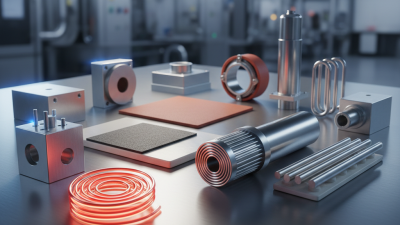
Upgrading your water heater coil can significantly enhance efficiency. Recent studies indicate that modern coil designs can improve heat transfer rates by up to 25%. This leads to faster heating and greater energy savings. Experts suggest that materials such as copper and advanced alloys outperform traditional options. They create stronger thermal conductivity, ensuring more efficient operation.
Consider optimizing the coil's surface area too. Increased area allows for better heat exchange. Studies show that coils with fins or other enhancements can elevate efficiency ratings by another 10%. However, not all designs may suit every system. Compatibility is essential. Improper choices could lead to inefficient heating and increased wear.
Another aspect to reflect on is maintenance. Even the most efficient coils require regular upkeep to sustain performance. Build-up of scale on coils can hinder efficiency. It is crucial to monitor and clean coils to ensure they operate effectively. Don't overlook the importance of consulting with industry professionals to find the best coil enhancements for your specific setup.

 +852 60984748