Why is Heating Element Wire Essential for Efficient Thermal Management?
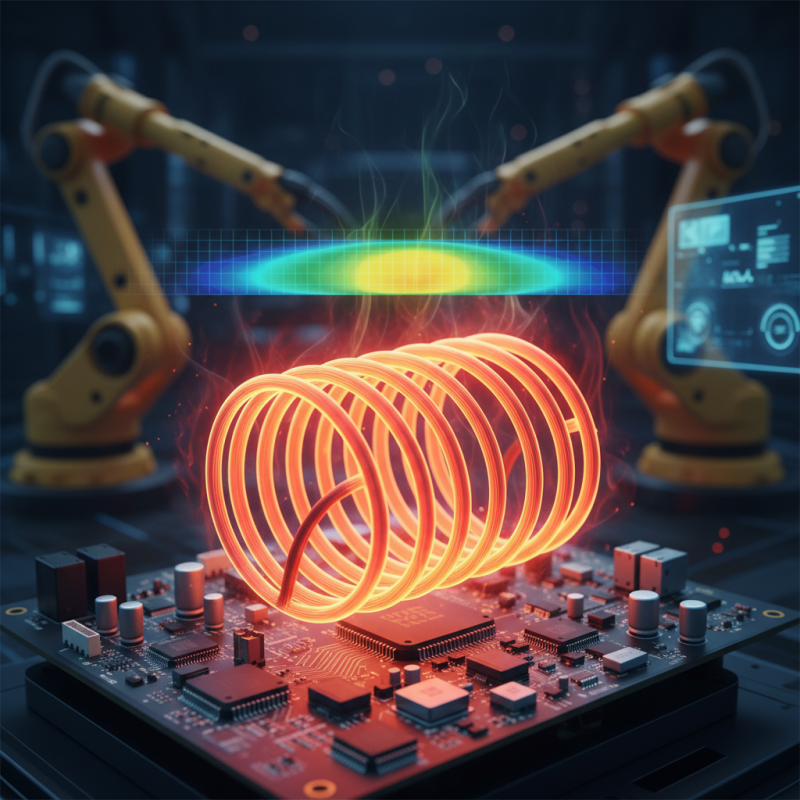
The role of Heating Element Wire in thermal management is often underestimated. This wire is vital for converting electrical energy into heat. Its efficiency can significantly impact many industries, including manufacturing and electronics.
In high-performance applications, having a reliable heating element is crucial. The quality of Heating Element Wire determines not just the speed of heating, but also the uniformity of temperature distribution. A poorly chosen wire can lead to hot spots and uneven heating, which may compromise product quality.
Moreover, using top-grade Heating Element Wire contributes to energy savings. Not every wire performs equally under stress. Understanding material properties and thermal conductivity is essential for optimal performance. Reflecting on these aspects can inspire innovations in thermal management solutions, leading to better designs and efficiencies.
The Role of Heating Element Wire in Thermal Efficiency
Heating element wire plays a crucial role in thermal efficiency. This wire is designed to convert electrical energy into heat. It ensures that heat is distributed evenly across surfaces or components. Proper distribution is vital for preventing hotspots and material failure.
The choice of heating element wire affects performance. Different materials have distinct resistance levels, impacting how efficiently they generate heat. For example, nichrome wire is commonly used due to its stability and durability. However, not all setups require the same type. Understanding the specific needs of your application can lead to better thermal management.
Effective thermal management isn't just about the wire; it's about the entire system. Poor insulation or inadequate placement of the heating wire can lead to energy loss. Regular assessments of the system can uncover inefficiencies. A reflective approach helps in optimizing performance and extending the lifespan of components. In thermal applications, small changes can make a big difference.
Types of Heating Element Wires and Their Applications
Heating element wires play a crucial role in thermal management across various applications. These wires are often made of materials such as nichrome or copper. Each material has unique properties that contribute to thermal efficiency and durability. Nichrome, for example, is preferred in high-temperature settings due to its excellent resistance to oxidation. In contrast, copper wires are highly conductive, making them ideal for applications that require rapid heat transfer.
In terms of applications, heating element wires are utilized in numerous devices. Electric ovens use these wires to create even heat distribution. Similarly, in industrial settings, they maintain consistent temperatures in machinery and processes. Understanding the specific needs of an application helps in selecting the right type of wire. For instance, some wires may not withstand harsh environments, leading to premature failure. It is important to consider factors like temperature limits and corrosion resistance when making a choice.
The variety of heating element wires available highlights their adaptability. While some wires excel in certain conditions, they may underperform in others. This variability demands careful assessment during the selection process. Ultimately, selecting the right heating element wire can significantly enhance thermal management efficiency. Proper knowledge and consideration of each wire's characteristics are essential for achieving optimal results.
Heating Element Wire Types and Their Applications
Factors Influencing the Performance of Heating Element Wire
Heating element wire plays a crucial role in thermal management across various applications. Its efficiency relies heavily on several key factors. Material composition is fundamental. Different alloys exhibit varied resistivity and thermal conductivity. For instance, nickel-chromium wire may offer high resistance, leading to effective heat generation. However, the choice of material can complicate manufacturing.
Another influencing factor is the wire diameter. Thinner wire can produce higher temperatures quicker but might wear out faster. Conversely, thicker wire may be more durable but slower to heat. This balance between performance and longevity requires careful consideration.
Lastly, the insulation type surrounding the heating element wire significantly affects performance. Proper insulation ensures that heat is directed where needed, minimizing energy loss. Insulation also helps prevent overheating, a frequent concern during operation. Each of these elements must be scrutinized to optimize thermal management systems effectively.
Advantages of Using Advanced Heating Element Wire Materials
Heating element wire plays a critical role in thermal management across various applications. Advanced materials like nickel-chromium and silicon carbide have revolutionized heating technologies. These materials combine high thermal efficiency with durability, allowing for precise temperature control. According to a recent industry report, using these advanced wires can improve energy efficiency by up to 30%.
One major advantage of these heating element wires is their ability to withstand high temperatures. They maintain performance even under extreme conditions. This is essential for industries such as aerospace and automotive, where failure can lead to dire consequences. Additionally, newer alloys can provide greater corrosion resistance, extending the lifespan of heating elements significantly. Data suggests that wires made from these advanced materials can last up to 20% longer compared to traditional alternatives.
However, the cost analysis shows that premium materials may present a challenge for small businesses. Investing in top-grade heating element wire might not initially seem feasible. A careful evaluation is necessary. The long-term savings due to enhanced efficiency might outweigh the initial investment. Rethinking priorities can lead to smarter choices in thermal management.
Why is Heating Element Wire Essential for Efficient Thermal Management? - Advantages of Using Advanced Heating Element Wire Materials
| Material Type |
Thermal Conductivity (W/m·K) |
Maximum Operating Temperature (°C) |
Resistance (Ω/m) |
Corrosion Resistance |
Weight (g/m) |
| Nichrome |
25.0 |
1250 |
1.10 |
Good |
50 |
| Kanthal |
20.0 |
1400 |
1.10 |
Excellent |
45 |
| Copper |
400.0 |
600 |
0.02 |
Poor |
70 |
| Inconel |
15.0 |
1200 |
0.90 |
Excellent |
60 |
| Silicone Rubber |
Low |
200 |
N/A |
Good |
40 |
Applications of Heating Element Wire in Various Industries
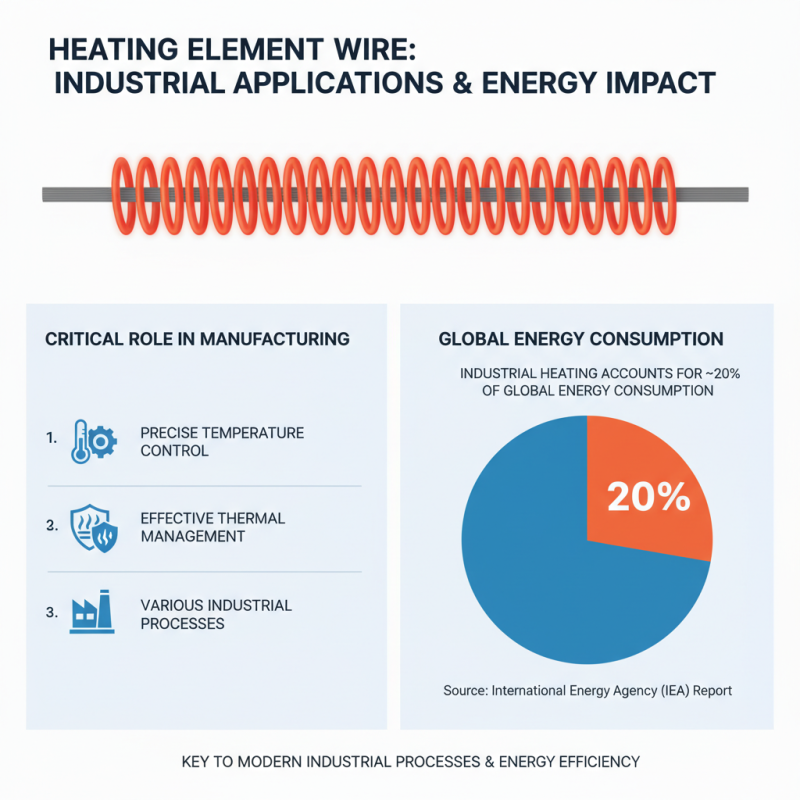
Heating element wires play a critical role in various industries, providing effective thermal management solutions. In the manufacturing sector, for instance, they are vital for processes that require precise temperature control. According to a report from the International Energy Agency, industrial heating accounts for approximately 20% of global energy consumption. This emphasizes the importance of reliable heating element wires to optimize energy usage.
In the food industry, heating element wires are utilized in devices such as ovens and fryers. They ensure uniform heating, which is crucial for food safety and quality. Studies suggest that even a minor temperature variation can affect food consistency, impacting flavor and safety. This highlights the ongoing need for innovation in heating technology.
Moreover, in the healthcare industry, these wires are essential for sterilization equipment. The right heating element can significantly reduce processing times. However, achieving optimal efficiency can be a challenge. Users often report issues related to wear and degradation over time, indicating a gap in current technologies. Addressing these concerns remains a critical focus for manufacturers seeking to enhance reliability and effectiveness.

 +852 60984748