What is a Hot Plate Heater and How Does It Work?
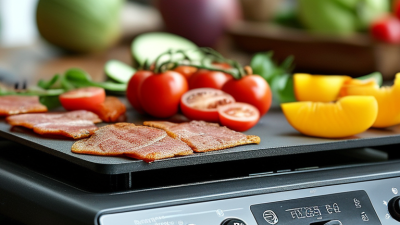
A Hot Plate Heater is an essential tool in many kitchens and laboratories. Its primary function is to provide a controlled heat source for cooking or heating substances. This device typically consists of a flat surface powered by electricity. Users rely on it for tasks ranging from simmering sauces to sterilizing equipment.
Understanding how a Hot Plate Heater works can enhance its effectiveness. It uses electric coils or induction technology to generate heat. This heat is then transferred to the cooking surface, allowing for even cooking. However, it is important to use it correctly to prevent overheating or accidents. The design often leads to uneven heat distribution, which can affect cooking outcomes.
Many people appreciate the convenience of a Hot Plate Heater. Its portable nature makes it perfect for small spaces or outdoor activities. Yet, without proper care and knowledge, users can face challenges. They might experience difficulties in maintaining a consistent temperature. Thus, understanding both its benefits and potential pitfalls is crucial for optimal use.
Definition and Overview of Hot Plate Heaters
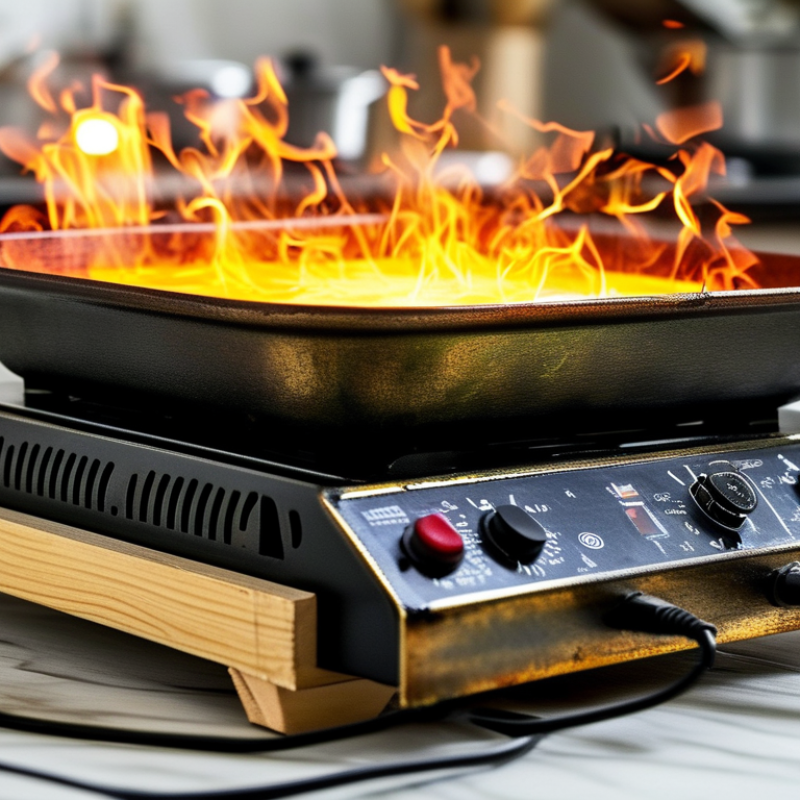
Hot plate heaters are versatile appliances primarily used for heating and cooking. These devices are characterized by a flat surface that delivers direct heat. They are often found in kitchens, laboratories, and workshops. Understanding how these heaters work is crucial for safe and effective use.
A hot plate heater typically consists of a heating element beneath a conductive plate. When powered, the heating element warms up, transferring heat to the plate. This process allows for even cooking, as the heat spreads uniformly across the surface. Users can control the temperature with adjustable settings, providing flexibility for various cooking tasks.
It's important to note that not all hot plates are created equal. Some models heat up quickly, while others may take longer. Care should be taken to avoid overheating, which can lead to burns or damage. Regular maintenance is necessary to ensure longevity and performance. Understanding these elements of hot plate heaters can enhance the cooking experience, but caution is essential.
Types of Hot Plate Heaters and Their Uses
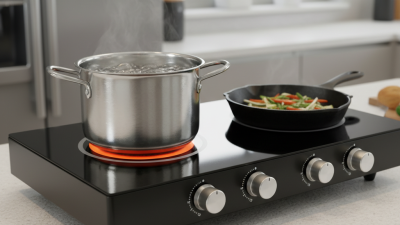
Hot plate heaters come in various forms, each suited for specific needs. Electric hot plates are common in both home and professional kitchens. They provide consistent heat for cooking dishes ranging from sauces to stews. These devices typically have two or more heating elements, allowing for multitasking.
Induction hot plates are another category worth mentioning. They use electromagnetic fields to heat cookware directly, rather than the surface itself. This results in faster cooking times and energy efficiency. However, they require compatible pots and pans, which can be a limitation.
Laboratory hot plates play a crucial role in scientific settings. They are designed for precise temperature control, often used in chemistry experiments. Some models even come with stirrers for mixing solutions. However, their higher complexity can lead to user error, so careful operation is essential. Each type has its unique strengths and weaknesses, making it important to choose the right one for your specific needs.
Mechanism of Heat Generation in Hot Plate Heaters
Hot plate heaters are essential in various industries for their straightforward operation and efficient heat generation. The mechanism of heat generation involves converting electrical energy into heat energy through resistive heating. When an electric current passes through the heating element, resistance generates heat, directly warming the surface of the hot plate. According to a report from the International Energy Agency, around 40% of energy consumption in commercial kitchens comes from cooking appliances, highlighting the importance of such efficient heating solutions.
Typically, the heating elements are made of high-grade materials that ensure quick and uniform heat distribution. For instance, research shows that well-designed hot plates can achieve surface temperatures upwards of 500°F within minutes. Despite these advancements, there are areas needing improvement—such as heat retention and energy efficiency. Some models may lose heat rapidly once switched off, suggesting a potential for thermal insulation enhancement.
Moreover, while many hot plate heaters are designed to last, their longevity can be impacted by factors like regular use and maintenance. Studies indicate that regular cleaning and checking of heating elements can significantly enhance their lifespan. Industry insights emphasize that both innovation and routine maintenance are essential for optimal performance.
What is a Hot Plate Heater and How Does It Work? - Mechanism of Heat Generation in Hot Plate Heaters
| Feature |
Description |
Applications |
| Heating Element Type |
Typically made of metal such as aluminum or cast iron for efficient heat conduction. |
Laboratories, cooking, industrial processes. |
| Temperature Control |
Equipped with thermostats or digital displays to regulate temperature dynamically. |
Heating experiments, food preparation, chemical reactions. |
| Power Output |
Common power outputs range from 300 watts to 2000 watts. |
Used in both residential kitchens and industrial settings. |
| Heat Distribution |
Even heat distribution ensures stable heating across the surface area. |
Cooking, melting substances, warming equipment. |
| Safety Features |
Includes features like overheat protection and automatic shutoff. |
Laboratories to prevent accidents, domestic cooking. |
Safety Features and Considerations for Hot Plate Heaters
Hot plate heaters are popular in both industrial and home settings. However, safety should always be a top priority when using them. According to the National Fire Protection Association, cooking equipment, including hot plates, is a leading cause of home fires. In 2020, cooking-related incidents accounted for 49% of residential fires, highlighting the need for precautionary measures.
To enhance safety, many hot plate heaters are designed with built-in features. Automatic shut-off mechanisms can prevent overheating, which is crucial in avoiding fires. Overcurrent protection is another vital feature, stopping the unit from drawing excessive power. Still, users must remain vigilant. Always keep a fire extinguisher nearby and never leave hot plates unattended while in use.
Proper placement is essential as well. According to studies, 30% of kitchen fires occur due to items placed too close to heating elements. Keeping combustible materials away from hot plates can significantly reduce risks. Educating users on safe practices is equally vital. Continuous awareness and adherence to safety guidelines can make a difference in preventing accidents.
Applications of Hot Plate Heaters in Various Fields
Hot plate heaters are increasingly applied across various industries due to their efficiency and versatility. They are commonly used in laboratories for heating chemicals and conducting experiments. According to a report from the International Lab Industry Association, about 60% of labs utilize hot plate heaters for their rapid heating capabilities. This allows scientists to maintain precise temperatures, crucial for accurate results.
In culinary settings, hot plate heaters improve cooking efficiency. Many restaurants employ these devices to keep food warm during service. Studies show that restaurants using hot plate technology can reduce energy consumption by up to 30%. However, improper use can lead to uneven heating, which might compromise food safety and product quality.
Healthcare facilities also rely on hot plate heaters for sterilizing equipment and warming up samples. The American Medical Association notes that consistent hot plate usage can streamline protocols in labs, but they highlight the importance of regular maintenance. Users must be mindful; failure to maintain these devices can lead to malfunction and potentially hazardous situations. Thus, while hot plate heaters are essential, awareness of their limitations and proper care is vital.

 +852 60984748