How to Choose the Best Portable Heat Plate for Your Needs?
Choosing the right Portable Heat Plate is crucial for various applications, from laboratory work to cooking. Industry experts emphasize that not all heat plates are created equal. Dr. Lisa Smith, a leading researcher in thermal technology, states, "Investing in a quality Portable Heat Plate can significantly enhance your efficiency and safety." According to a recent market report by TechInsights, the demand for Portable Heat Plates has surged by 25% in the past year, highlighting their growing importance across different sectors.
When selecting a Portable Heat Plate, consider specific needs such as size, temperature range, and portability. Some users may prioritize compactness, while others may need higher heat outputs for precise applications. The diversity in product features can be overwhelming. Many consumers overlook critical specifications that impact performance and safety. Potential customers should be aware of the common pitfalls associated with less reputable brands.
Research shows that around 40% of users feel dissatisfied with their initial choices. This dissatisfaction often results from inadequate research. A thorough evaluation based on expert recommendations can lead to better decisions. Investing time in selecting the right Portable Heat Plate can yield substantial long-term benefits, ensuring it meets all your unique requirements.
Factors to Consider When Selecting a Portable Heat Plate
Choosing the right portable heat plate requires careful consideration of several factors that cater to your specific needs. First and foremost, one should evaluate the heating capacity. Data from industry reports indicate that the optimal temperature range for effective heating is between 100°F and 400°F, depending on the application. This flexibility allows users to work with various materials, but it’s essential to choose a device that can maintain consistent temperatures without significant fluctuations.
Another crucial aspect is the size and weight of the heat plate. Portable options ideally should weigh less than ten pounds. That allows for easy transport and convenient storage. If the device is too bulky, it may negate the benefits of portability. Additionally, consider the power source. Battery-operated models offer enhanced mobility, yet they may not sustain high temperatures for extended periods. Electric models, on the other hand, provide a steady heat source but restrict movement.
It's also wise to look into safety features. Some heat plates come equipped with automatic shut-off mechanisms, which are crucial for preventing accidents. Reports from consumer safety organizations show that around 30% of portable cooking accidents result from equipment malfunction. Thus, knowing what safety systems are in place can help mitigate risks. This balance between functionality and security forms the basis for a wise investment in a portable heat plate.
Factors to Consider When Selecting a Portable Heat Plate
Types of Portable Heat Plates Available in the Market
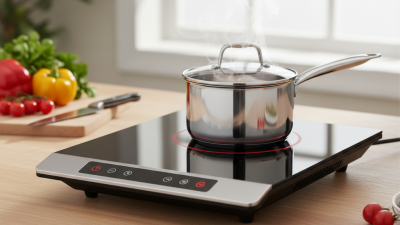
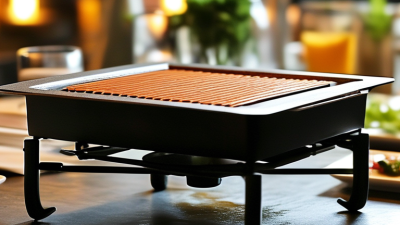
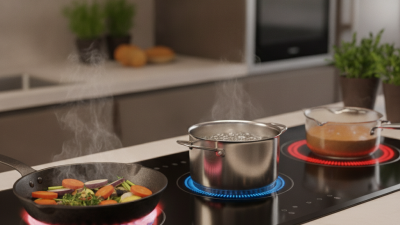
When considering portable heat plates, it's crucial to understand the different types available. There are electric, induction, and even gas-powered models. Electric heat plates are convenient and easy to use. They provide consistent heat, making them suitable for various applications, from cooking to soldering. Induction heat plates are energy-efficient and provide rapid heating, but they require compatible cookware. Gas-powered models offer portability and power, ideal for outdoor use, but check safety features carefully.
Each type has its strengths and weaknesses. Electric heat plates often come with adjustable temperature settings. However, they may not be as portable as gas models. Induction plates heat up quickly but might limit your choice of pots and pans. Gas options can be very effective but need proper ventilation. Consider where you’ll use it most. Indoor setups might favor electric, while outdoor or remote areas might benefit from gas models.
Choosing the right type depends on your specific needs. If you enjoy outdoor activities, a gas-powered plate seems appealing. However, the risk of fuel safety should not be overlooked. For everyday kitchen use, an electric heat plate may be the best choice, yet it can come with high energy costs. Always weigh convenience against efficiency based on your lifestyle.
How to Choose the Best Portable Heat Plate for Your Needs? - Types of Portable Heat Plates Available in the Market
| Type of Heat Plate |
Power Source |
Heating Area (sq in) |
Weight (lbs) |
Price Range (USD) |
| Electric Heat Plate |
Electric |
150 |
3.5 |
$30 - $60 |
| Induction Heat Plate |
Induction |
180 |
4.0 |
$50 - $100 |
| Butane Heat Plate |
Butane |
120 |
2.5 |
$40 - $80 |
| Ceramic Heat Plate |
Electric |
160 |
4.2 |
$35 - $70 |
| Mini Heat Plate |
Electric |
100 |
2.0 |
$20 - $50 |
Understanding Temperature Settings and Controls
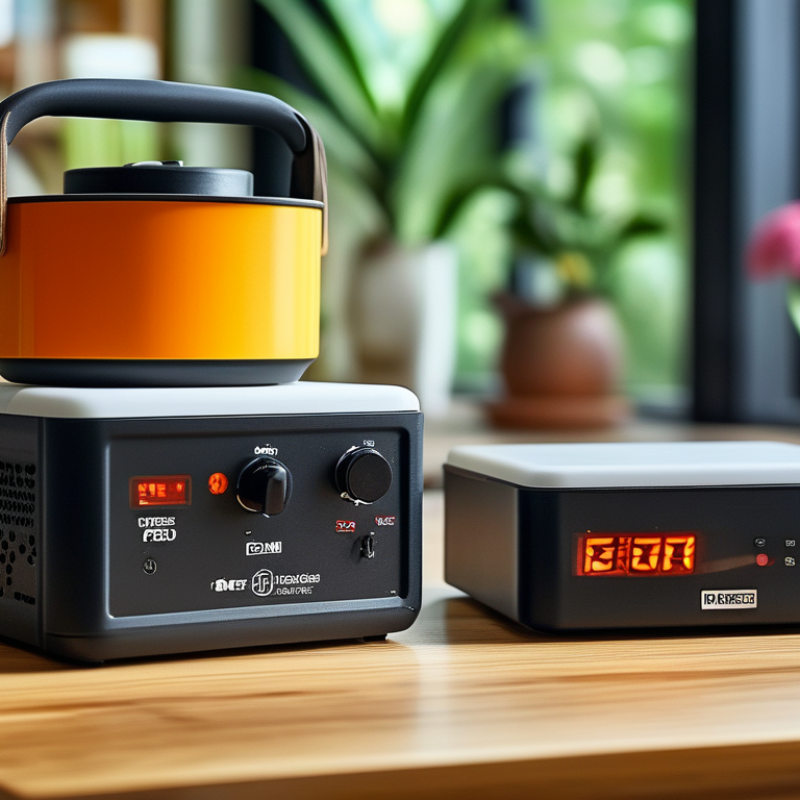
When selecting a portable heat plate, temperature settings and controls play a crucial role. A heat plate with adjustable temperature allows for precise cooking. It means you can achieve the perfect sear on meats or a gentle simmer for sauces. Look for models that have a clear display of temperature settings. This transparency in controls helps in making informed decisions during cooking.
Understanding the range of temperatures is also vital. Some heat plates offer a wider range than others. If you often move between recipes that require high and low heat, this feature matters. Ensure the controls are user-friendly. Intuitive knobs or digital displays can help avoid cooking mishaps.
Consider testing different settings to determine what works best. Sometimes, you might overestimate the right temperature. Begin at a lower setting and adjust as needed. This trial-and-error approach helps in honing your skills. Experimenting can lead to unexpected culinary successes or humorous failures, both of which contribute to your learning experience.
Safety Features to Look for in Portable Heat Plates
When selecting a portable heat plate, safety should be a top priority. Look for devices equipped with automatic shut-off features. This function prevents overheating and reduces the risk of fire hazards. A reliable heating element can also enhance safety. Choose plates made from durable materials that can withstand high temperatures without warping or cracking.
Another crucial aspect is the presence of an anti-slip base. This feature helps keep the heat plate stable during use, minimizing accidents. Some models include safety indicators that notify users when the device is hot. A built-in temperature control can ensure that the heat plate operates within a safe range.
Consider the weight and portability of the unit, too. Heavier models might be steadier but are less convenient to move. Therefore, finding a balance between stability and portability is essential. Always remember that not all portable heat plates are created equal. Evaluating safety features before making a choice can significantly enhance your experience and reduce risks.
Budget Considerations and Brand Reputation in Heat Plates
When choosing a portable heat plate, budget considerations play a crucial role. Setting a budget helps narrow down options and ensures you invest wisely. Portable heat plates come in various price ranges. Typically, lower-priced models may lack advanced features. Higher-end models often offer better durability and performance. Understanding your usage needs can guide your spending.
Brand reputation is another significant factor. Established brands often hold a stronger reliability. Customer reviews provide insight into quality and performance. Researching user experiences can reveal hidden issues in seemingly perfect products. Some brands may look appealing on the surface but might not meet long-term expectations.
Buying a heat plate without considering these factors could lead to disappointment. Be prepared to compromise on certain features within your budget. Higher costs don't always guarantee quality. Reflecting on past purchases can offer valuable lessons on making informed choices. Balancing cost with brand trustworthiness sets the foundation for a satisfactory purchase.

 +852 60984748