What is a Portable Heat Plate and How Does It Work?
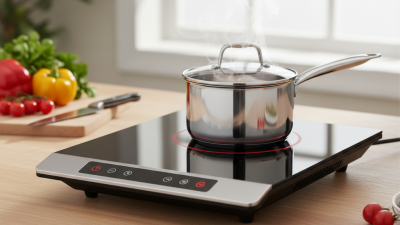
The Portable Heat Plate is revolutionizing cooking and heating methods. This innovative tool offers versatility for various applications, from professional kitchens to home use. According to the National Restaurant Association, over 51% of chefs report increased demand for portable cooking solutions. A Portable Heat Plate can efficiently provide heat where it’s needed the most. It ensures that food is cooked evenly and quickly, improving service times.
The key to the success of Portable Heat Plates lies in their design and technology. They utilize advanced heating elements that respond rapidly to temperature adjustments. This responsiveness enables chefs to control cooking temperatures precisely, a crucial factor in many culinary processes. However, one must also consider potential safety concerns. Users must be cautious to avoid overheating and maintain proper handling procedures.
Flexibility and convenience define the appeal of a Portable Heat Plate. It can be used in various settings, whether a bustling restaurant or an outdoor gathering. Furthermore, a report by Market Research Future highlights that the portable cooking appliance market is expected to grow by 8% annually. Despite this growth, quality and user experience remain critical factors for manufacturers and consumers alike. Reflection on these aspects can lead to improvements in product design and functionality.
What Defines a Portable Heat Plate: Key Characteristics and Features
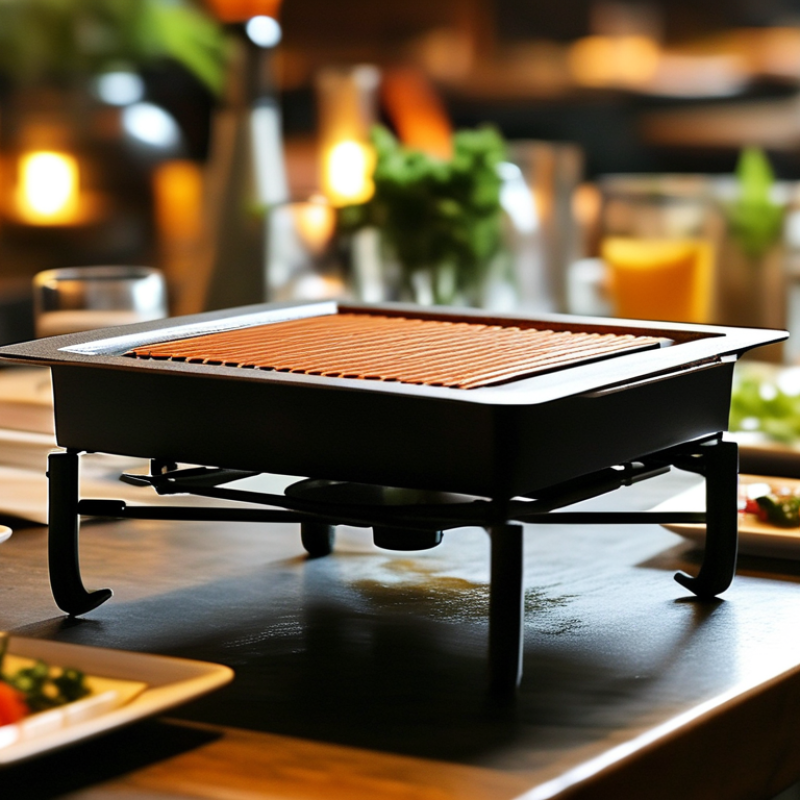
A portable heat plate offers convenience and efficiency for various heating tasks. These devices are typically lightweight and easy to move. Users can find them in kitchens, workshops, or outdoors. The most notable feature is their ability to generate heat quickly. They often use electric coils or microwaves for this purpose.
Key characteristics include temperature control and durability. Many portable heat plates allow users to set specific temperatures. This is essential for precise cooking or heating. The surfaces are generally made from materials resistant to scratches and wear. However, users must be aware of safety standards. Sometimes, heat plates can become too hot to handle, leading to burns.
Maintenance is straightforward. Regular cleaning and careful handling can ensure longevity. It’s essential to check cords and connections for any damage regularly. Some users may overlook this, leading to potential hazards. Understanding these characteristics will help users make informed choices about portable heat plates.
Principles of Operation: How Portable Heat Plates Generate Heat
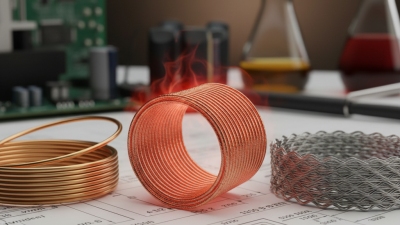
Portable heat plates utilize electrical resistance to generate heat efficiently. These devices convert electrical energy into thermal energy through a resistive heating element. When electricity passes through the element, its resistance creates heat, which is then transferred to the plate surface. According to a report by the International Energy Agency, over 4 billion units of heating equipment are in use globally, indicating a significant demand for portable heating solutions.
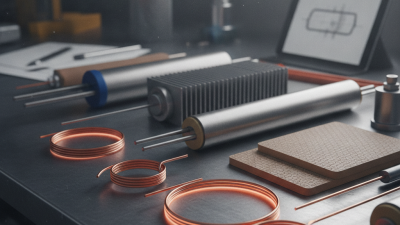
The operational efficiency of portable heat plates varies by design and material. Typically, they are made from materials with high thermal conductivity like aluminum or copper, which enables rapid heat transfer. Illustrated by data from the American Society of Heating, Refrigerating and Air-Conditioning Engineers, well-designed heat plates can achieve temperatures of up to 300 degrees Celsius in a matter of minutes. However, the effectiveness can decline if the equipment is improperly maintained or used in unsuitable environments.
One challenge with portable heat plates is their energy consumption. Many users report higher energy bills when using these devices continuously. A study from the Department of Energy suggests that operational efficiency may be compromised by inadequate thermal insulation or poor contact with surfaces. A thorough understanding of the principles behind their operation can help users navigate these issues effectively.
Temperature Efficiency of Portable Heat Plates
This chart represents the heat efficiency ratings of various features of portable heat plates on a scale from 1 to 10. The ratings reflect factors like fanless design, variable temperature control, compact size, and overall energy efficiency, showcasing the advantages of modern portable heat plate technology.
Efficiency Metrics: Comparing Heat Output and Energy Consumption
When evaluating a portable heat plate, efficiency metrics play a crucial role. Heat output refers to how effectively a heat plate generates warmth. This measurement indicates the time taken to reach desired temperatures. Users must consider the material and design of the plate, which can significantly affect performance.
Energy consumption is another vital factor. A portable heat plate should maximize output while minimizing energy use. Many units provide insights into wattage and energy efficiency ratings. It’s important to review these specifications. Some plates might appear efficient but consume excessive power over time. Users should also think about their intended usage. Frequent use could lead to increased utility bills if not managed carefully.
Portable heat plates offer versatility, but their efficiency can be tricky. Comparing different models helps highlight their strengths and weaknesses. Conducting real-life tests can reveal discrepancies between advertised output and actual performance. Often, heat retention varies based on surrounding conditions. Thus, it's essential to consider how external factors influence results. Keeping a detailed log of usage patterns can offer valuable insights for future decisions.
Common Applications: Where and Why Portable Heat Plates Are Used
Portable heat plates are versatile tools used in many industries and settings. They provide consistent heating for various applications, from melting materials to warming food. The ability to transport them easily makes them ideal for both indoor and outdoor uses.
In kitchens, portable heat plates keep food warm for catering or picnics. They can also serve in laboratories, where precise temperature control is crucial. Artists and craftsmen use them to melt wax or other substances. The convenience of moving the heat source to where it's needed cannot be overstated. This flexibility enhances productivity and efficiency.
Tips: Ensure you monitor the temperature closely. Overheating can damage sensitive materials. When using in a kitchen, avoid placing them near water to prevent accidents. Regularly check for wear and tear to ensure safety.
Despite their benefits, there are challenges with portable heat plates. They require proper handling to avoid burns or other injuries. Users should be aware of their limitations in capacity and duration of use. Understanding these factors can help maximize their effectiveness while minimizing risks.
Safety Considerations: Best Practices for Using Portable Heat Plates
Using a portable heat plate mandates strict adherence to safety considerations. It's essential to place it on a flat, heat-resistant surface. This minimizes risks of burns and fire hazards. Ensure that the area is well-ventilated to prevent heat build-up. Never leave the heat plate unattended while in use. This can lead to overheating and, in some cases, fire.
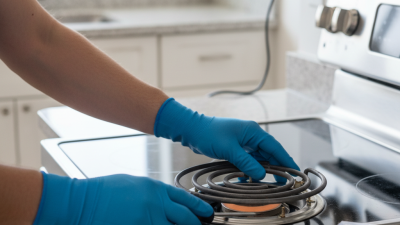
Wearing heat-resistant gloves is advisable when handling hot materials. This additional layer protects your skin from potential burns. Regularly inspect the power cord and plug for any signs of wear or damage. A faulty connection can lead to electrical hazards. Maintain a safe distance from flammable materials, including paper and fabric. These could ignite with excessive heat exposure. Following these practices ensures a safer experience and prolongs the life of your heat plate. Mistakes can happen, but learning from them is key to safe usage. Always reflect on your setup before starting.

 +852 60984748