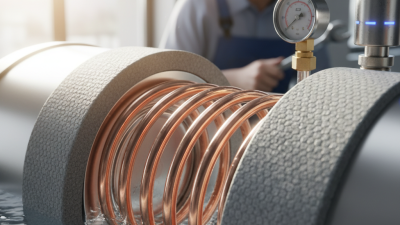
Why Choose the Right Stove Heating Element for Your Needs?
Choosing the right stove heating element is crucial for effective cooking. A suitable element enhances performance and ensures even heating. Different cooking styles demand different elements, and understanding this can transform your culinary experience.
Many factors influence your choice. The type of food you frequently prepare plays a significant role. For example, baking requires a different heating element than sautéing. Selection can seem daunting, yet with a little knowledge, you can simplify the process.
Not all stove heating elements are created equal. Some may offer quick heating but lack durability. Others may be slow to heat, but they provide consistent results. Reflecting on your cooking habits will lead to better choices that feel right.
Choosing the Right Type of Stove Heating Element: An Overview
When it comes to heating your home, choosing the right stove heating element is crucial. Different types of heating elements serve various needs. Electric stoves typically have coil burners, which heat up quickly and provide instant heat. Ceramic stoves, on the other hand, offer a sleek surface and even heating, but they may take longer to reach the desired temperature. It’s essential to consider your cooking habits and preferences when selecting a heater.
Another factor to examine is energy efficiency. Infrared heating elements can be more energy-efficient than traditional coils. They convert electricity into heat directly, which means less energy waste. However, this type might not suit everyone. Some users find the heat distribution inconsistent. Assessing space for installation is equally important. Smaller kitchens may benefit from compact models, while larger spaces might require more powerful units.
Lastly, pay attention to safety features. Automatic shut-off mechanisms are vital for preventing accidents. It’s important to research different options and understand the pros and cons of each type. The right element should not only meet your heating needs but also enhance your cooking experience. Be thoughtful and critical about what will genuinely work for you.
Understanding Different Heating Element Materials and Their Efficiency
When selecting a stove heating element, understanding the materials is crucial. Different materials can impact performance and efficiency. Common options include ceramic, metal, and glass.
Ceramic elements distribute heat evenly. They are durable and resistant to high temperatures. However, they can take longer to heat up. Metal elements, like aluminum, heat quickly. But they may not maintain consistent temperatures. Glass heating elements provide a sleek look and maintain heat well. Yet, they can chip or crack easily.
Tips: Consider your cooking style. If you need quick heating, metal may be best. For slower cooking, ceramic might suit you. Always check the manufacturer's guidelines for safety.
Efficiency varies by material. High-quality materials often translate to better performance. It’s important to evaluate how often you cook and the types of dishes you prepare. This will help you select the right heating element for your kitchen. Keep in mind that sometimes, a balance between speed and efficiency is necessary. Reflect on your specific cooking needs to make an informed decision.
Why Choose the Right Stove Heating Element for Your Needs?
| Heating Element Material |
Efficiency (%) |
Temperature Range (°C) |
Lifespan (Hours) |
Cost (USD) |
| Ceramic |
90 |
300-800 |
5000 |
30 |
| Metal (Steel) |
85 |
250-600 |
3000 |
15 |
| Aluminum |
80 |
150-500 |
2000 |
10 |
| Glass |
75 |
200-550 |
3500 |
20 |
Key Factors to Consider: Size, Power Rating, and Compatibility
Choosing the right stove heating element is essential for optimal cooking performance.
Size plays a crucial role. If the element is too large, it may not fit your stove correctly. Conversely, a small element may not generate enough heat.
Measure your stove’s dimensions carefully before making a choice.
Power rating is another critical factor. Higher watts usually mean more heat output.
If you often cook large meals, a high power rating is beneficial. However, overpowered elements can lead to uneven cooking.
Finding balance is important. Think about your typical cooking needs.
Compatibility also cannot be overlooked. Not all elements fit all stoves.
Double-check your stove’s specifications. Mismatched components can create inefficiency.
Take your time when selecting. Think through your options, and consider your cooking habits.
This careful attention to detail can lead to better results in the kitchen.
Industry Standards for Stove Heating Elements: What You Need to Know
Choosing the right stove heating element is crucial for both safety and efficiency. Understanding industry standards can help you make informed decisions. Different elements have distinct specifications, such as wattage, size, and compatibility. These factors influence cooking performance and energy consumption.
When selecting a heating element, always check for compliance with safety regulations. Look for certifications that indicate reliability. Elements must withstand high temperatures without degrading. Be aware of your stove's requirements to avoid mismatches.
Tips: Regular maintenance can prolong the life of your element. Cleaning it frequently prevents residue buildup. Match the wattage to your cooking habits. If you often cook at high temperatures, a higher wattage may be necessary. Consider energy-efficient options, as they save money in the long run. Take your time to evaluate different choices, as rushing may lead to incorrect selections.
Impact of Heating Element Choice on Energy Consumption and Cost
Choosing the right stove heating element significantly affects energy consumption and overall costs. Research shows that electric cooking appliances account for about 14% of household energy use. According to the U.S. Department of Energy, a well-selected heating element can improve efficiency by up to 20%. This choice influences how much energy is wasted and how effectively heat is distributed.
Different types of heating elements offer varying levels of efficiency. Induction cooktops, for instance, utilize electromagnetic energy, which directly heats pots and pans. This can reduce energy consumption compared to traditional electric elements. A study by energy analysts indicates that induction cooking can cut energy costs by as much as 50% for certain cooking methods. However, they may require initial investments that some families find difficult to justify.
Selecting a heating element isn’t just about immediate costs. Long-term savings should also be a consideration. A less efficient element might save you money upfront but can lead to higher bills over time. Your cooking habits matter too. The type of meals prepared can influence the overall cost of operation. Do you often use high temperatures? If so, consider how well a specific element handles heat distribution.

 +852 60984748