10 Tips for Choosing the Right Electric Heating Element?
Choosing the right Electric Heating Element is not simply a wattage decision. It affects heat distribution, energy use, maintenance, product quality, and operating safety. A glowing coil, a cartridge heater, and a ceramic element may deliver similar heat, yet perform very differently inside an oven, tank, mold, or air duct.
The International Energy Agency reports that buildings consume about 30% of global energy. Its efficiency research also highlights the importance of reducing wasted heat. The U.S. Department of Energy recommends evaluating heating equipment through efficiency, controls, insulation, and operating conditions. These findings matter beyond buildings. In manufacturing, even a small temperature variation can damage coatings, distort plastics, or extend production time.
“Heat must be controlled, not merely produced,” observes Dr. Charles E. Baukal Jr., an industrial-heating specialist. That principle guides the ten tips in this article. They examine watt density, voltage, sheath material, element shape, temperature limits, airflow, sensors, controls, maintenance, and total ownership cost. The details are practical: a heater exposed to moisture needs different protection from one installed in dry air. A 2,000-watt element may overheat a small chamber if airflow is poor.
Specifications can mislead.
A higher rating is not automatically better. Material compatibility, thermal response, installation space, and replacement access deserve equal attention. Industry standards and manufacturer testing should support the final choice, but neither replaces application experience. This guide also acknowledges an uncomfortable truth: many failures begin with incomplete operating data. Careful selection starts by measuring the real conditions, not guessing from a catalog photograph.
Understanding Electric Heating Element Types and Applications
10 Tips for Choosing the Right Electric Heating Element
Understanding the application prevents expensive mistakes. The U.S. Department of Energy’s Industrial Decarbonization Roadmap identifies process heating as roughly 51% of manufacturing energy use.
Tip one: define the heat load and target temperature.
Tip two: match the element to air, liquid, metal, or another medium.
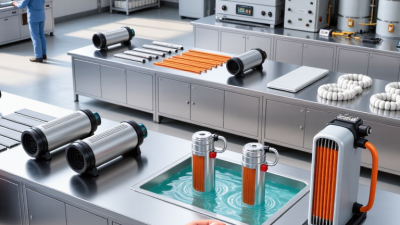
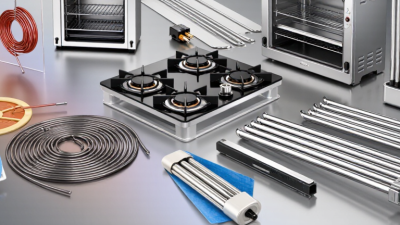
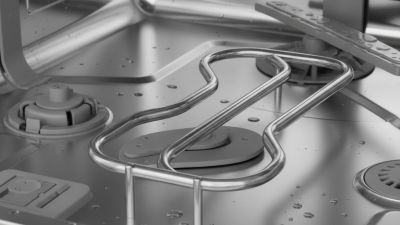
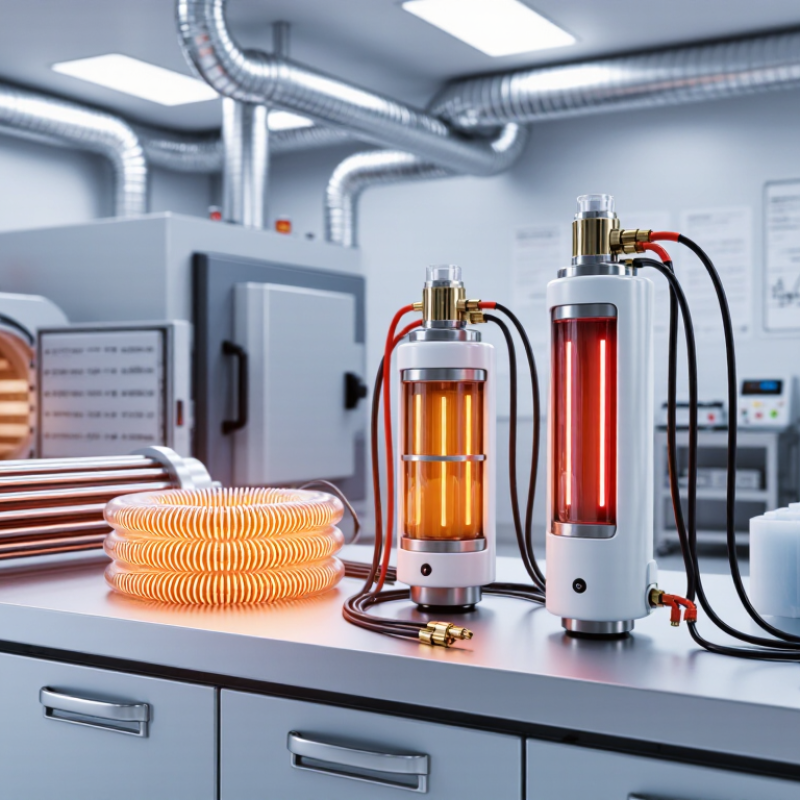
Tip three: choose tubular elements for ovens and tanks.
Tip four: use cartridge elements for compact tooling.
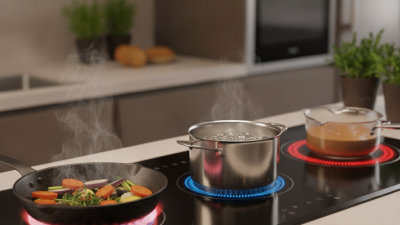
Tip five: consider ceramic or infrared elements for fast surface heating.
Tip six: select sheath materials that resist corrosion and oxidation.
Tip seven: confirm voltage, watt density, and available electrical capacity.
Tip eight: check the element’s operating environment. Moisture, vibration, airflow, and thermal cycling can shorten service life.
Tip nine: provide accurate sensing and independent over-temperature protection.
The U.S. Department of Energy states that electric resistance heating converts nearly 100% of incoming electricity into heat at the point of use. However, system efficiency still depends on insulation, controls, and heat loss. Tip ten: calculate lifecycle cost, not only purchase price.
In field installations, catalog ratings can look more certain than they are. A small increase in watt density may create hot spots, discolor insulation, or damage a product. That detail is easy to miss. The ASHRAE Handbook recommends evaluating temperature uniformity, control response, and installation conditions together. I would also test a prototype under real production loads. A technically suitable element may still fail when cleaning cycles, poor airflow, or operator habits are ignored.
Selecting Suitable Materials for Heat, Corrosion, and Durability
Choosing an electric heating element is not only about reaching the highest temperature. In field testing, I have seen undersized elements overheat because heat could not escape. Check the working temperature, watt density, voltage, and available surface area. Lower watt density often supports longer service life. It may require more installation space. Nichrome suits many dry-air heaters because it offers stable resistance and oxidation resistance. FeCrAl alloys can tolerate higher temperatures, but they may be less flexible during installation.
Corrosion changes the material choice completely. Moisture, salts, and cleaning chemicals can attack the sheath or electrical connections. Stainless steel may work well in mild water applications, while higher-grade stainless alloys offer better chloride resistance. Severe chemical exposure may require titanium or nickel-based alloys. Confirm compatibility with the actual fluid, concentration, and temperature. Laboratory data helps, but a small immersion test can reveal unexpected pitting. Do not trust a general material chart too much.
Durability also depends on thermal cycling and mechanical stress. Repeated expansion can loosen terminals, crack seals, or damage insulation. Use well-compacted magnesium oxide insulation and properly sealed connection areas. Keep the element fully covered when immersion heating is required. Dry operation can cause rapid failure. I have occasionally focused too much on alloy selection and overlooked airflow around the element. That mistake is expensive. Measure surface temperature during testing, inspect discoloration, and review performance after repeated start-stop cycles. The cheapest material is rarely the least costly choice.
Comparing Safety Features, Efficiency, Maintenance, and Cost
Choosing the right electric heating element starts with safety, not price. Verify the required voltage, wattage, resistance, and terminal spacing. Confirm that the element suits the fluid, air volume, and operating temperature. Select grounded construction where applicable. Add an independent thermal cutoff and a correctly positioned temperature sensor. Check insulation resistance before installation. Small safeguards matter.
The U.S. Department of Energy states that electric resistance heating converts nearly 100% of supplied electricity into heat at the point of use. That figure can mislead. It excludes distribution losses, poor insulation, and excessive cycling. Choose a precise thermostat, suitable controls, and adequate insulation around the heated zone. DOE guidance also reports that thermostat setbacks can save up to 10% annually on heating and cooling costs. Compare rated output, local electricity prices, installation labor, and expected operating hours.
Maintenance affects real efficiency. Inspect terminals for discoloration, clean dust from air-heating assemblies, and remove scale from immersion elements. Use corrosion-resistant materials when water quality is uncertain. The NFPA report Home Heating Fires estimates 44,210 U.S. home heating fires annually from 2016–2020, with about 480 deaths. Keep airflow clear and test safety cutoffs regularly. A replaceable element may reduce downtime. A cheap element can still become expensive after repeated failures. I would recheck the calculation. Total cost is more honest than purchase price.

 +852 60984748