What is Ptc Heating Element and How Does It Work?
In the dynamic landscape of heating technology, the Ptc Heating Element stands out for its efficiency and reliability. Dr. Emily Carter, a leading expert in thermal management systems, once remarked, "The Ptc Heating Element revolutionizes how we approach heat generation in various applications." This statement highlights the transformative impact of this technology.
Ptc Heating Elements operate by utilizing positive temperature coefficient materials. These materials increase resistance as temperature rises, providing self-regulation. This mechanism reduces the risk of overheating, thus ensuring safety. Versatile and energy-efficient, Ptc heaters are ideal for home appliances, industrial applications, and even automotive systems.
Despite their many benefits, the Ptc Heating Element is not without challenges. For instance, material degradation over time can affect performance. Additionally, understanding the specific needs of different applications remains crucial. As we explore this technology, reflecting on its limitations is essential for future innovations.
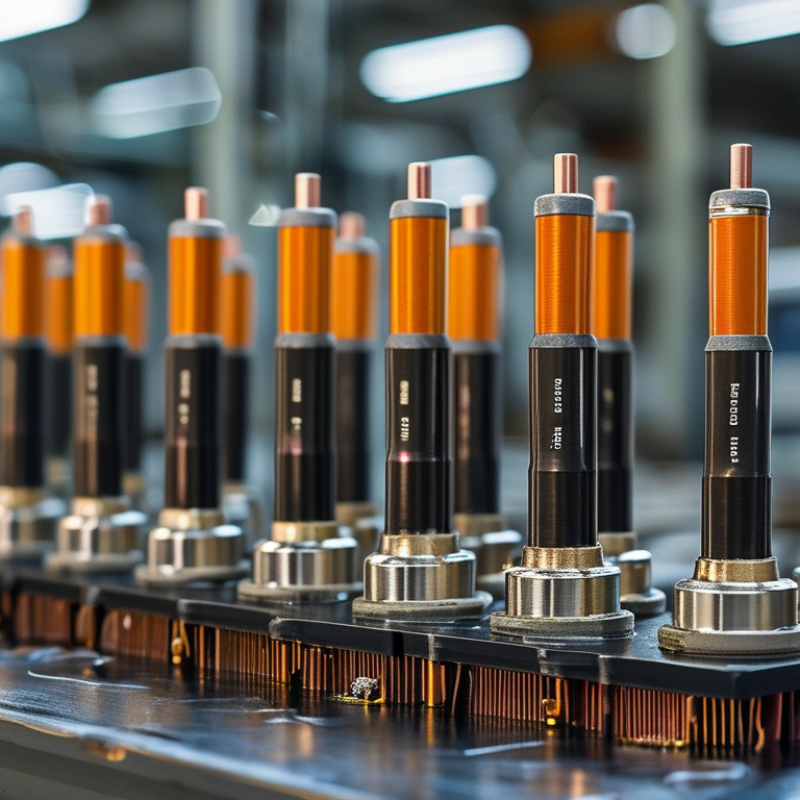
What is a PTC Heating Element? Overview and Definitions
PTC heating elements, or Positive Temperature Coefficient heating elements, are a unique type of electrical device used for heating. They operate on a principle that involves a ceramic material and conductive properties. When electric current passes through the element, its temperature rises. This increase in temperature leads to an increase in electrical resistance. As a result, the device regulates its own temperature, preventing overheating. This self-regulating property makes PTC elements efficient and safe for various applications.
These heating elements are commonly found in appliances, automotive systems, and even medical devices. They offer a reliable and consistent heat output without the need for complex control systems. The material's properties allow for faster heat-up times. However, not all applications benefit from PTC technology. In certain scenarios, alternative heating solutions might be more effective.
Moreover, while PTC elements provide advantages in terms of safety and ease of use, their cost can be higher than traditional heating methods. This requires careful consideration when selecting the appropriate solution for a specific application. Understanding both the benefits and limitations of PTC heating elements is crucial for making informed decisions.
PTC Heating Element Power Consumption Comparison
The Science Behind PTC Heating: Materials and Mechanisms
PTC heating elements utilize Positive Temperature Coefficient (PTC) materials that exhibit unique thermal properties. These materials, often composed of conductive ceramics, have the ability to increase their electrical resistance as temperature rises. This characteristic allows PTC elements to self-regulate their temperature without requiring complex control systems. According to a report from Research and Markets, the global PTC heating element market is expected to grow by 5.7% annually, driven by demand from various sectors including automotive and consumer electronics.
The mechanism behind PTC heating involves a balance between heat generation and heat dissipation. As the material heats up, its resistance increases, which limits the current flow. This self-regulating behavior is not just energy-efficient—it also enhances safety. Overheating is less likely, reducing risks associated with traditional heating methods. A study published in the Journal of Applied Physics notes that PTC ceramics can achieve optimal thermal efficiency, with less than 10% variation in performance over their lifecycle, highlighting their reliability.
Despite these advantages, there are challenges. Not all PTC materials perform uniformly across different environments. Variability in manufacturing processes can impact durability and efficiency. Continuous advancements in material science aim to address these issues. Researchers emphasize the importance of optimizing compositions to enhance the performance and longevity of PTC heating elements.
Applications of PTC Heating Elements in Industry and Household
PTC (Positive Temperature Coefficient) heating elements have found diverse applications across industries and in households. In industrial settings, PTC heaters are used in processes where precise temperature control is vital. For instance, the automotive and electronics sectors rely on these heating elements for applications like defrosting windshields and preheating components. A report from the Global PTC Thermistors Market indicates a projected growth rate of approximately 10% annually, reflecting their increasing importance and effectiveness in heat management.
In household applications, PTC heaters are often used in appliances such as space heaters, heated blankets, and hair dryers. The market trend illustrates a rising consumer preference for energy-efficient home heating solutions. According to a 2022 consumer survey, 67% of households express a desire for devices that provide safe and reliable heating while minimizing energy use. Here, the self-regulating property of PTC elements stands out. They automatically adjust their temperature, reducing the risk of overheating—a critical feature for household safety.
However, while PTC elements provide numerous benefits, challenges remain. Some users report that PTC heaters don't warm up as quickly as traditional resistive heaters. This latency can be a drawback in situations requiring immediate heat. Additionally, variations in manufacturing quality can lead to inconsistent performance. Addressing these concerns is crucial for improving user satisfaction and maximizing the technology’s potential in everyday applications.
Efficiency and Safety of PTC Heating Elements Compared to Traditional Methods
PTC heating elements, or positive temperature coefficient heating elements, are gaining attention for their efficiency. Unlike traditional heating methods, PTC elements adjust their temperature automatically. This self-regulating feature prevents overheating and ensures safety. The heating is consistent and immediate, making it ideal for various applications.
In terms of efficiency, PTC heating elements convert electrical energy to heat with little waste. They can reach assigned temperatures rapidly, reducing energy consumption. Users notice lower electricity bills as these devices operate efficiently. However, some may question their durability compared to traditional heaters. While PTC elements can last longer, they require proper maintenance.
Safety is another crucial aspect. PTC elements are designed to minimize risks, automatically cutting off when they become too hot. Traditional heaters often lack this feature, making PTC a safer choice. They are less likely to cause fires or accidents. Still, it is essential to monitor their condition regularly. Both PTC and traditional methods have pros and cons that require careful consideration.
Future Trends and Innovations in PTC Heating Technology
PTC (Positive Temperature Coefficient) heating elements are gaining traction in various applications due to their efficiency and safety features. Looking ahead, there are key trends and innovations shaping PTC heating technology. For instance, the global market for PTC heaters is projected to grow at a CAGR of approximately 10% from 2023 to 2030, driven by increasing demand for energy-efficient heating solutions.
Innovations are also focusing on smart technology integration. PTC heating elements are being enhanced with IoT capabilities, allowing for precise temperature control and remote management. A report by a leading market research firm suggests that over 25% of newly developed heating appliances will incorporate smart PTC technology by 2025. This trend not only improves user convenience but also enhances energy conservation.
However, challenges remain. The production cost of advanced PTC materials can be high, impacting overall affordability. Moreover, as manufacturers strive for innovation, ensuring reliability and safety in new designs is crucial. Balancing these aspects will determine the future success of PTC heating elements in meeting market demands while addressing environmental concerns.

 +852 60984748