+852 60984748
Choosing an Electric Heating Element is not just a matter of matching wattage to a machine. The right choice depends on how heat moves through the process, what temperature is required, and how the element will operate over time. The U.S. Department of Energy’s Industrial Decarbonization Roadmap reports that process heating accounts for about 51% of manufacturing energy use. That scale makes careful equipment decisions meaningful. It also makes shortcuts costly.
Start with the basics: supply voltage, required power, target temperature, available space, and the material being heated. A stainless-steel immersion element may suit a liquid tank, while a ceramic or tubular element may fit a compact oven or air duct. Small details matter. Sheath material, watt density, mounting method, and exposure to moisture or corrosive substances can affect performance and service life. The U.S. Department of Energy’s process-heating guidance emphasizes matching heating technology to the application, rather than treating every thermal task alike.
This guide explains how to compare element types and evaluate those practical trade-offs. It also covers temperature controls, installation conditions, and the information to confirm with a qualified supplier. Wattage alone can look like an easy answer—and sometimes it is not. Actual performance depends on the complete system, including insulation, airflow, and control accuracy. Use published specifications as a starting point, then verify them against operating conditions. A small mismatch can matter.
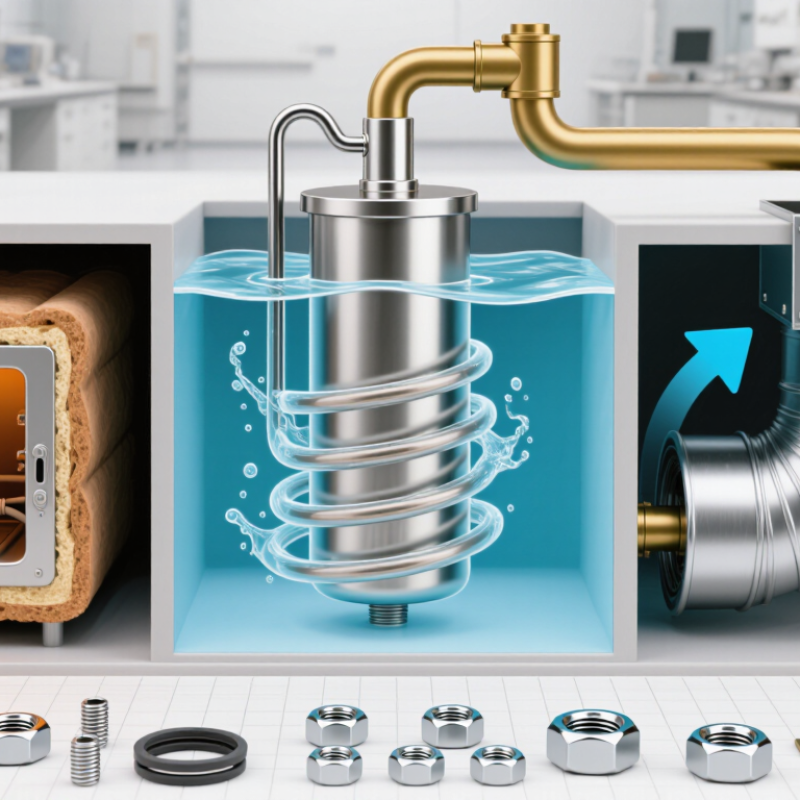
An electric heating element produces heat when electrical current meets resistance in a conductor. The conductor may be a coil, wire, or compact strip. Heat follows resistance. At a microscopic level, moving electrons transfer energy to the material, raising its temperature. The element then passes heat to nearby surfaces through conduction, to moving air or liquid through convection, and sometimes through radiation.
The exact design changes how heat moves. A sheathed element, for example, transfers heat through its metal casing before reaching water or air. A bare coil responds quickly, but needs suitable spacing and protection. Choosing an element means matching its wattage, surface temperature, and materials to the job. A useful calculation can still miss uneven airflow or a poorly fitted sensor. Those details matter.
The detail I would double-check is how the element contacts the material being heated; small gaps can slow heat transfer and create hot spots.
Tips: Check the operating temperature and available space before comparing elements. Confirm that the element’s material suits the surrounding air, liquid, or surface. Leave room for expansion, and follow the equipment maker’s installation guidance. If temperatures vary across the work area, measure them at several points rather than relying on one sensor.
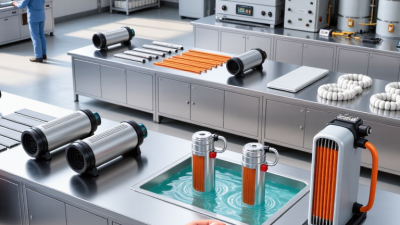
Define the job before comparing heating elements. Record the material, starting temperature, target temperature, batch mass, warm-up time, and daily cycle count. For a tank, note the liquid level and flow; for a mold, include contact area and heat loss through its edges. Estimate required power from material mass, heat capacity, temperature rise, and heating time, then allow for losses. This estimate can look cleaner on paper than in a real, drafty workshop. Small details matter. The U.S. Energy Information Administration’s 2018 Manufacturing Energy Consumption Survey reports that process heating represented about 51% of manufacturing fuel use, excluding feedstocks. That scale makes careful load definition worthwhile.
Next, document operating conditions: supply voltage and phase, available controls, ambient temperature, moisture, vibration, and permitted surface temperature. Match the element’s sheath material and watt density to the process; concentrated heat can damage a small contact area even when total wattage seems adequate. Check whether the element cycles frequently or runs continuously, and consider how quickly sensors detect temperature changes. The U.S. Department of Energy’s 2022 Industrial Decarbonization Roadmap attributes about 30% of U.S. energy-related emissions to industry, underscoring the value of efficient process heating. Still, efficiency figures do not replace site measurements. Verify actual voltage and heat-up time under load before finalizing the specification.
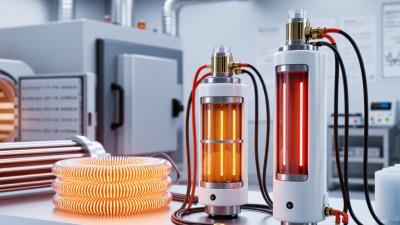
The right heating element depends on the material being heated, the working temperature, and the available space. Tubular elements suit ovens, tanks, and air ducts because they can be bent into practical shapes and protected by a metal sheath. Immersion elements transfer heat directly into liquids, but the sheath must tolerate the fluid’s chemistry. A material that works in clean water may corrode in a process solution.
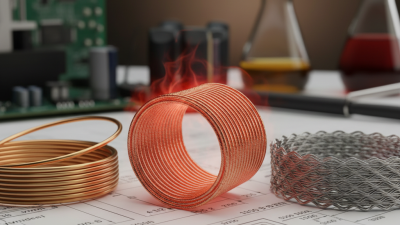
Alloy choice affects temperature limits and oxidation resistance. Nickel-chromium alloys are common in many heating applications, while iron-chromium-aluminum alloys can suit higher-temperature service. Stainless steel or other sheath materials should be selected for the surrounding environment, not just the heater’s rated output. Small details matter. A mismatch can shorten service life.
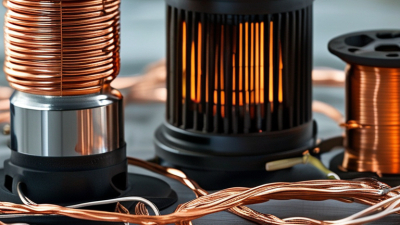
Configurations change how heat spreads. Finned elements move heat into air more effectively, while cartridge elements concentrate heat inside a close-fitting bore. Coiled designs fit compact spaces, though spacing and airflow can affect performance. Compare watt density, voltage, controls, and maintenance access before selecting a type. Not always obvious. Even a careful specification can overlook deposits, uneven airflow, or how often the equipment cycles. Check those conditions against the actual installation.
Typical upper operating temperatures vary by material and operating conditions.
FeCrAl and nickel-chromium alloys suit many industrial and appliance applications. Molybdenum disilicide supports higher-temperature furnace use, while tungsten requires a suitable protective atmosphere, such as vacuum or inert gas. Values are approximate guides, not guaranteed element ratings; actual limits depend on element design, atmosphere, and operating conditions.
Start with the supply voltage, available current, and required heat-up time. For a resistive element, power rises with voltage squared, so a mismatch can quickly create excess heat. The U.S. Department of Energy’s Energy Saver guidance notes that resistance heating converts nearly all electricity into heat at the point of use. That does not make every element efficient for your process; poor insulation and oversized capacity still waste energy. Check the equipment nameplate, wiring, terminal spacing, and element dimensions before ordering. Small margins matter.
Compatibility includes the sheath material, operating temperature, atmosphere, and contact with the heated material. For control, confirm that the sensor measures the workpiece or process—not merely a convenient nearby surface. Choose a controller and switching device rated for the load, and consider independent over-temperature protection. The International Energy Agency’s The Future of Heat Pumps (2022) reports that heat pumps can deliver three to five units of heat per unit of electricity. That comparison is a useful reminder: resistance elements suit some jobs, but operating cost deserves a calculation. Safety deserves one too. NFPA’s Electrical Fires report estimates an annual average of 32,620 U.S. home structure fires involving electrical failure or malfunction from 2015 to 2019. Those figures are not specific to heating elements, but they underline the value of sound wiring and protection. I would still recheck the assumptions; a neat calculation cannot reveal a loose terminal.
| Selection Dimension | What to Check | Practical Guidance or Example | Decision Point |
|---|---|---|---|
| Required heat output | Estimate the heat needed to warm the load and compensate for heat losses. Consider the material, starting temperature, target temperature, heating time, insulation, and airflow or fluid movement. | For a simple temperature-rise estimate, energy is approximately mass × specific heat capacity × temperature change. Real systems also lose heat, so the estimate should be checked against the equipment design and operating conditions. | Choose a rated output suitable for the application and available supply. Avoid assuming that a higher wattage is always better; excessive output can cause overheating or uneven heating. |
| Voltage, power, and current | Confirm the supply voltage, phase, frequency, circuit capacity, and the element’s rated electrical values. | For a resistive element, approximate current is I = P ÷ V, and resistance is R = V² ÷ P. For example, a 2,000 W element at 230 V draws about 8.7 A and has a nominal resistance of about 26.5 Ω. | Match the element rating to the actual supply. Have circuit wiring, protective devices, and switching equipment checked for the expected current. |
| Element type and installation | Identify whether the element will heat air, a liquid, a surface, a mold, or another medium. Check mounting space, insertion depth, clearances, and how heat transfers to the load. | Immersion elements require appropriate liquid coverage during operation. Tubular, cartridge, strip, and finned elements are designed for different mounting and heat-transfer arrangements. | Select a form factor intended for the installation. Follow the manufacturer’s instructions for orientation, mounting, clearances, and operating conditions. |
| Material compatibility | Check the element sheath and wetted materials against the fluid, process atmosphere, cleaning chemicals, and operating temperature. | Corrosion resistance depends on the specific fluid chemistry, concentration, temperature, and exposure time. A material suitable for one water or chemical application may not suit another. | Confirm material compatibility using application data and technical documentation. Seek specialist advice when the fluid or process environment is corrosive or uncertain. |
| Surface loading and heat transfer | Review watt density, which is the power applied per unit of heated surface area, along with the medium’s circulation and heat-removal capacity. | High surface loading can contribute to high sheath temperatures, local overheating, or deposits in some applications. The acceptable value depends on element design and operating conditions. | Use an element specified for the actual medium and duty. Do not select watt density from a general rule without checking application requirements. |
| Operating temperature and duty cycle | Check the normal and maximum process temperatures, ambient conditions, start-stop frequency, and expected hours of operation. | The element, insulation, terminals, wiring, enclosure, and nearby materials must all be suitable for their respective temperatures and duty conditions. | Choose components rated for the complete operating range and expected duty. Include a suitable temperature limit where overheating could create a hazard. |
| Electrical and thermal safety | Check protective earthing, insulation, enclosure protection, overcurrent protection, safe clearances, and protection against dry operation or loss of flow where relevant. | Metal-sheathed elements generally require correct protective bonding as part of the equipment design. Required protection depends on the appliance, installation, and applicable electrical codes. | Use appropriately rated protection and have installation or modifications assessed by a qualified electrician. Never energize an immersion element unless its operating instructions permit the conditions. |
| Temperature sensing and control | Determine the required temperature accuracy, sensor type, sensor location, response time, and control method. | A thermostat may suit simple on/off control. A PID controller can provide more stable control in applications that need tighter temperature regulation. The sensor should measure a representative process temperature. | Match the controller and sensor to the process and element. Check that the control device is rated for the load or is used with a correctly rated switching device. |
| Switching and electrical load | Check the element’s current, the controller’s switching capacity, and whether switching frequency or electrical noise matters. | Contactors and solid-state relays are common switching options, but each must be selected for the electrical load, heat dissipation, enclosure, and control signal. | Use a switching device with suitable ratings and protection. Provide heat sinking for solid-state devices when required by their specifications. |
| Maintenance and service life | Consider scale or deposit buildup, corrosion, access for inspection, replacement procedure, and availability of compatible spare elements. | Deposits can reduce heat transfer and increase local element temperatures. Inspection and cleaning intervals depend on the process and the element manufacturer’s instructions. | Choose an arrangement that can be inspected and maintained safely, and establish a maintenance schedule suited to actual operating conditions. |
Selection reminder: Verify electrical ratings, materials, temperature limits, installation requirements, and protective measures against the equipment documentation and applicable local codes before purchase or installation.
Choosing an electric heating element starts with the installation conditions, not just the required temperature. Check the supply voltage, available space, heat-transfer medium, and expected operating cycle. A heater designed for liquid service may fail quickly in dry air. Confirm that its watt density suits the material being heated. Excessive surface temperature can cause scaling, hot spots, or early failure. Small details matter. Allow room for thermal expansion, and keep wiring clear of damp areas and moving parts. Have a qualified technician verify connections and protective controls before startup.
Tips: Photograph the wiring before removal. Record voltage, current, and operating temperature during commissioning. These readings provide a useful baseline for later checks. Isolate power and let the element cool before inspection. Look for discoloration, loose terminals, mineral deposits, and damaged insulation. Clean deposits with a method suited to the sheath; abrasive tools can create problems. Not every mark signals failure, though. Compare readings over time instead of relying on appearance alone.
Service life depends on operating conditions, maintenance, and installation quality. Frequent on-off cycling can stress an element, while poor airflow or low liquid levels may create localized overheating. Keep a simple service log with dates, readings, and observed changes. Replace an element when measurements or visible damage indicate a real risk, rather than waiting for an unexpected shutdown. Estimates are imperfect. An element that lasts years in one system may wear much sooner in another.