2026 How to Choose the Best Heating Element Wire for Your Needs?
When selecting the best Heating Element Wire for specific applications, understanding the nuances of wire types is crucial. According to the "International Journal of Heating Technology," the performance of heating elements significantly affects energy efficiency in various industries. High-quality heating element wires can improve heat distribution, reduce energy costs, and enhance safety in equipment.
Industry data reveals that improper wire selection leads to equipment failures, costing businesses approximately $1.4 billion annually. Factors such as resistance, durability, and thermal conductivity must be carefully considered. Many manufacturers offer a range of wire options; however, inconsistencies in material quality can mislead buyers.
While the choices seem abundant, not all wires deliver reliable performance. Failure to match the wire specifications with the intended application often results in overheating and premature degradation. Thus, informed decision-making is essential to ensure that the chosen Heating Element Wire meets specific operational demands.
Understanding Different Types of Heating Element Wires Available Today
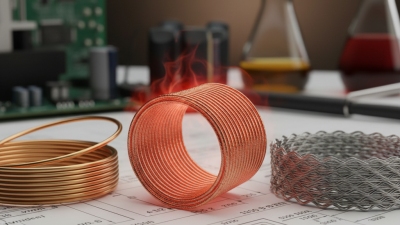
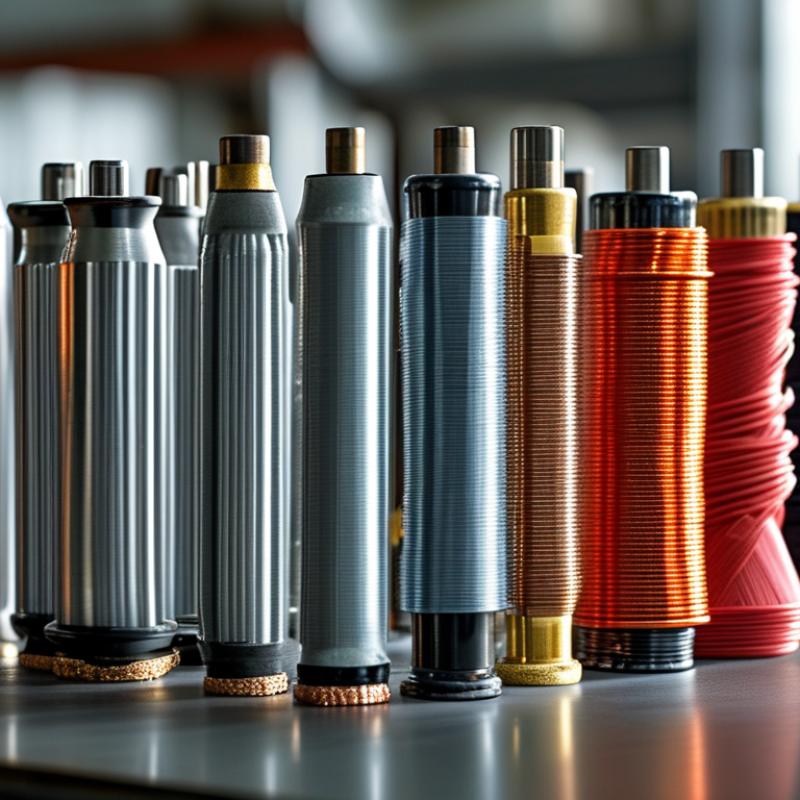
When selecting a heating element wire, understanding the various types available is crucial. Resistance wire, such as Kanthal and Nichrome, is popular due to its durability and heat efficiency. Kanthal can withstand high temperatures, making it ideal for applications requiring consistent heat. Nichrome, on the other hand, provides excellent oxidation resistance and is often used in high-temperature applications. According to a 2022 industry report, these wires can operate at temperatures exceeding 1000°C.
Ceramic fiber heating wires are another option, known for their lightweight and flexibility. They are less common, but their ability to maintain energy efficiency in small spaces is beneficial. A market study from 2023 indicates that ceramic wires have gained traction in industries focused on reducing energy consumption. However, they can be less robust than metallic alternatives, suggesting careful consideration in demanding environments.
In addition to material, wire gauge impacts the performance and safety of heating elements. Thicker gauges can handle higher currents but may require better insulation. Conversely, thinner wires heat up faster but may have a shorter lifespan. A detailed examination of wire specifications and application requirements is essential to avoid overheating issues. They are not always straightforward and may require adjustments based on environmental conditions.
Factors to Consider When Choosing Heating Element Wire for Your Project
Choosing the right heating element wire is essential for the success of your project. One of the key factors to consider is the wire gauge. Thicker wires can handle higher currents, but they are less flexible. On the other hand, thinner wires may be more suitable for intricate designs but could overheat if not properly managed. Always think about your project's specific voltage and current requirements.
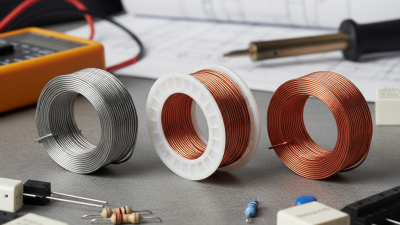
Another crucial aspect is the type of material used in the heating wire. Common options include nickel-chromium and stainless steel. Nickel-chromium offers high resistance and durability, making it ideal for long-term use. Stainless steel tends to be more resistant to oxidation but may not provide that same level of performance under extreme temperatures. Weigh the pros and cons of each material based on the conditions of your project.
Lastly, temperature control is vital. Ensure that the wire can withstand the operating temperatures you anticipate. Testing under real conditions before finalizing your choice can reveal unexpected issues. Sometimes, what seems like the best option on paper may not perform well in practice. Pay attention to these details to avoid pitfalls in your heating element wire selection.
2026 How to Choose the Best Heating Element Wire for Your Needs?
| Wire Type |
Max Temperature (°C) |
Diameter (mm) |
Resistance (Ω/m) |
Applications |
| Nichrome |
1200 |
0.25 |
1.25 |
Industrial Heating |
| Kanthal |
1400 |
0.30 |
2.00 |
Ceramics, Glass |
| Stainless Steel |
800 |
0.50 |
3.00 |
Food Processing |
| Copper |
400 |
0.20 |
1.00 |
Low Power Applications |
Evaluating Material Properties: Resistance, Conductivity, and Durability
When selecting a heating element wire, evaluating material properties is crucial. Resistance affects how much heat is generated. Different materials have specific resistance values, which influence performance. For example, lower resistance wires heat up quickly. However, they can also overheat if not managed properly. Higher resistance wires can be safer but may take longer to reach desired temperatures.
Conductivity plays a significant role in heating efficiency. Materials with high conductivity provide better energy transfer. This feature can lead to quicker heating times, reducing energy costs. Some wires may seem economical, but poor conductivity could lead to inefficiencies. It's important to balance initial costs with long-term performance in mind.
Durability is another key factor. Heating wires endure extreme conditions, so their lifespan is essential. Materials that resist oxidation and corrosion generally perform better over time. Regular maintenance and inspection can help ensure longevity. However, even the best materials can fail under specific conditions. Therefore, it's wise to consider the whole system, not just the wire. Avoiding a narrow focus can lead to better overall results.
Common Applications of Heating Element Wires in Various Industries
Heating element wires play a crucial role in many industries. They are essential for applications that require precise heating solutions. In automotive manufacturing, these wires are found in seat heaters and engine block heaters. They ensure comfort and proper engine performance. A strong understanding of wire types is necessary for efficient application.
In the food industry, heating element wires are commonly used in ovens and cooking equipment. These wires provide consistent heat, ensuring food is cooked evenly. They must withstand high temperatures for extended periods. In medical facilities, they are used in sterilizers and incubators. Reliability is key, as any failure can compromise safety and effectiveness.
Selecting the right heating element wire can be challenging. Different materials and diameters affect performance. Some wires may not heat evenly or may have a shorter lifespan. It’s essential to consider the environment where the wire will be used. Factors like temperature fluctuations and exposure to moisture can impact durability. This decision should not be taken lightly, as the right choice influences efficiency and overall satisfaction.
Safety Standards and Regulations for Heating Element Wire Usage
When selecting a heating element wire, safety standards become a primary concern. Knowing the regulations helps ensure safe usage. Compliance with safety standards often dictates the materials used in the manufacturing of heating element wire. This affects performance and longevity. Certified manufacturers follow guidelines set by national and international bodies. It's crucial to choose wires that meet these standards to avoid hazards.
Heat generation is another factor where safety is vital. A wire that overheats can pose fire risks. Look for wires designed to withstand extreme temperatures. Check that the insulation employed meets fire resistance criteria. Regular inspections can identify potential risks early. It’s not just about installation; ongoing maintenance ensures wires operate safely.
Another area often overlooked is user awareness. Proper handling and installation are key. Many users may not be fully aware of the necessary precautions. Training and clear instructions can mitigate risks. Ensure that all users understand safe practices. It's a collaborative effort to uphold safety standards in every scenario. Reflecting on these aspects can lead to safer outcomes in heating element wire usage.
Comparison of Heating Element Wire Materials

 +852 60984748