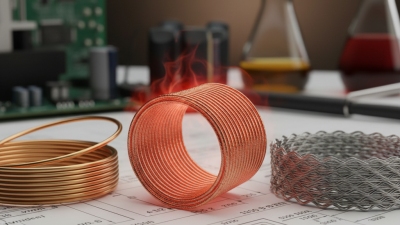
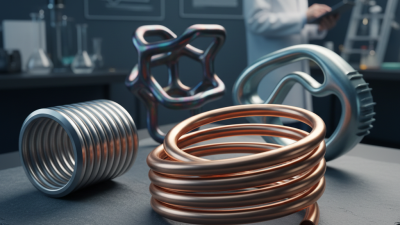
Top Hot Water Heating Coils Types You Should Know About?
Hot Water Heating Coils play a crucial role in both residential and commercial heating systems. According to a report by the U.S. Department of Energy, water heating accounts for nearly 18% of total energy use in U.S. homes. This highlights the importance of efficient heating solutions. Various coil types are available, each suited for specific applications, ensuring optimized heat transfer and energy savings.
Selecting the right type of Hot Water Heating Coils can significantly impact energy efficiency and operating costs. Research indicates that properly designed heating coils can improve thermal performance by up to 20%. However, not all coils perform equally. Some may lead to uneven heating or higher energy bills due to poor design. Understanding the different types of coils available is essential for making informed decisions.
It is important to weigh the benefits and drawbacks of each coil type. While some may offer better heating performance, others might be more cost-effective. Proper evaluation and selection can prevent common pitfalls in system installation and usage. Emphasizing informed choices will enhance overall system reliability and efficiency.
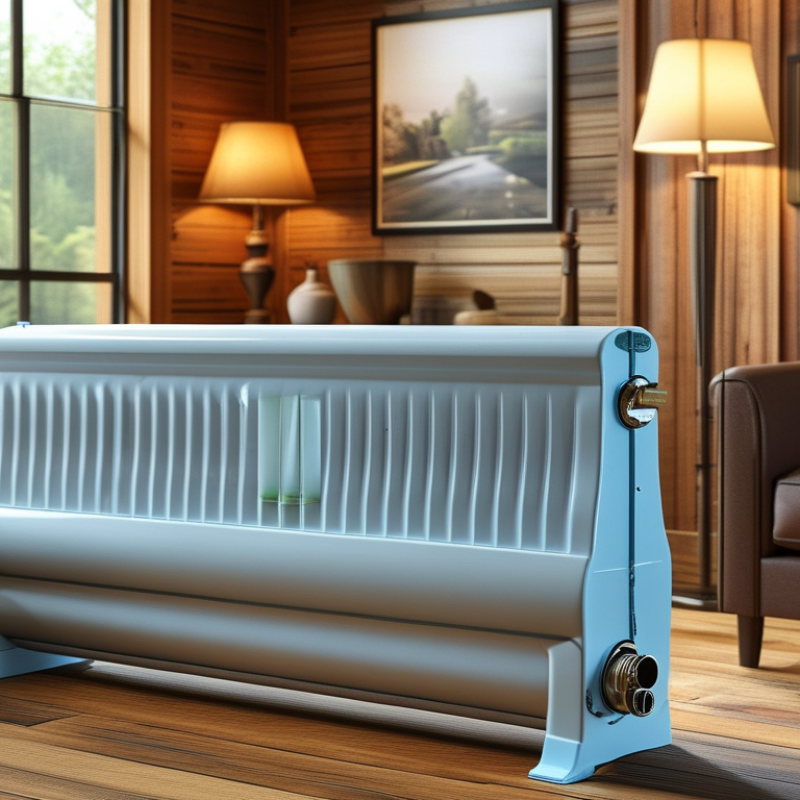
Types of Hot Water Heating Coils: A Comprehensive Overview
Hot water heating coils are essential components in many residential and commercial heating systems. They use heated water to warm air or surfaces, creating comfort in various environments. Understanding the different types of coils can help users select the right solution for their needs.
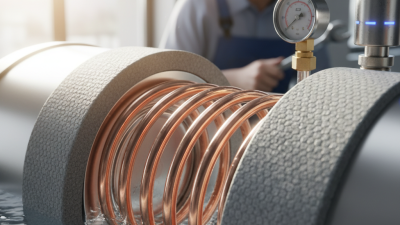
There are several popular types of hot water heating coils. Finned tube coils are known for their efficiency. They enhance heat transfer by increasing the surface area. According to a 2022 industry report, finned tube coils can improve heating efficiency by up to 30%.
Another type is bare tube coils. These coils provide effective heating but may require larger systems to achieve the same output as finned options. A crucial consideration is material. Copper and stainless steel are common choices, each with distinct advantages and potential drawbacks.
The choice of hot water heating coils influences system performance. Evaluate factors like installation space and maintenance needs. Certain models may require more frequent cleaning. Industry insights indicate that while higher efficiency coils tend to cost more upfront, they can yield significant savings on energy bills over time. Balancing initial investment with long-term benefits is essential in making informed decisions.
Benefits of Using Hot Water Heating Coils in Residential and Commercial Applications
Hot water heating coils are increasingly popular in both residential and commercial applications. Their efficiency can lead to significant energy savings. According to the U.S. Department of Energy, water heating accounts for nearly 18% of energy usage in homes. This statistic underscores the importance of choosing the right heating solution.
One key benefit of hot water heating coils is their ability to provide consistent and immediate heating. These coils can be integrated into various systems, making them versatile. In commercial settings, they contribute to enhanced comfort for employees and customers alike. Buildings equipped with these systems often report higher satisfaction levels. A study by the American Society of Heating, Refrigerating, and Air-Conditioning Engineers highlights that consistent heating can improve productivity.
However, it's essential to consider maintenance. Regular upkeep is crucial for optimal performance. Neglect can lead to decreased efficiency and higher operational costs. Some installations may face challenges, like uneven heat distribution. Awareness of these issues is vital when selecting a heating coil system. The advantages often outweigh the drawbacks if addressed properly.
Top Hot Water Heating Coils Types You Should Know About
| Type of Heating Coil |
Material |
Application |
Efficiency |
Cost |
| Copper Coils |
Copper |
Residential |
High |
$$$ |
| Stainless Steel Coils |
Stainless Steel |
Industrial |
Very High |
$$$$ |
| Aluminum Coils |
Aluminum |
Commercial |
Moderate |
$$ |
| Carbon Steel Coils |
Carbon Steel |
Heavy Duty |
Moderate |
$ |
| Titanium Coils |
Titanium |
Corrosive Environments |
Very High |
$$$$$ |
Material Selection for Hot Water Heating Coils: Copper, Stainless Steel, and More
When selecting materials for hot water heating coils, the choice between copper and stainless steel is critical. Copper coils are known for their excellent thermal conductivity. According to a report by the U.S. Department of Energy, copper coils can improve heating efficiency by up to 30%. This makes them popular in residential applications. However, they can be prone to corrosion in certain water conditions.
Stainless steel, on the other hand, offers superior resistance to corrosion. A study published in the Journal of Materials Science highlights that stainless steel coils can last significantly longer than copper in aggressive water environments. This resilience can be vital for commercial installations. Notably, a manufacturer's data indicated that stainless steel coils have a lifespan more than twice that of copper coils.
Tip: Always assess the quality of water before choosing the material. This can prevent costly replacements down the line.
Moreover, less traditional materials like PVC and PEX are gaining traction. They are lightweight and resistant to scale buildup. However, they may not handle high temperatures as effectively. A report from the International Energy Agency emphasizes the need for thorough research based on specific applications.
Tip: Consult with experts who understand local water quality. They can offer insights that might save you from potential issues.
Efficiency Ratings and Performance Metrics of Different Heating Coil Types
When exploring hot water heating coils, efficiency ratings play a crucial role. Different types of coils offer varying performance metrics. For example, copper coils are lightweight and offer excellent thermal conductivity. This means they heat water quickly, but they may not be as durable as other materials. In contrast, stainless steel coils provide long-lasting performance. They resist corrosion, but they can be heavier and more expensive.
The efficiency of these coils can often be measured by their heat transfer coefficient. A higher coefficient indicates better performance in heating water. It's essential to consider the coil's capacity and heating time as well. Some users find that while one type heats water faster, it may consume more energy. This factor can impact overall efficiency and cost.
Not all heating coils are suitable for every application. Some systems operate with lower water temperatures, making certain coil types less effective. Users should assess their specific needs. Engaging with professionals can provide insight into which type fits best. Remember, testing different setups may reveal unexpected results. Evaluating and reflecting on these elements can lead to better decision-making for efficient heating solutions.
Efficiency Ratings of Different Hot Water Heating Coil Types
Maintenance Best Practices for Prolonging the Life of Heating Coils
Maintaining heating coils is crucial for their longevity and efficiency. Regular inspections can reveal early signs of wear and tear. Look for corrosion or scaling, as these issues can impede performance. If you notice reduced heat output, it may be time to clean the coils or replace worn parts.
Cleaning is vital. Use a mild detergent to remove dirt and debris, but avoid harsh chemicals. These can damage the coils. Water treatment can also play a role. Properly balanced water prevents scaling, which can shorten the lifespan of your coils.
Ensure a good flow of air around the heating coils. Blocked vents can lead to overheating, causing coils to fail prematurely. Consider scheduling professional maintenance annually. Experts can identify problems you might miss. A proactive approach can save time and money in the long run. Always stay alert to any changes in performance. Ignoring minor issues may lead to major failures later.

 +852 60984748