How to Maintain Your Water Heater Coil for Optimal Performance?
A well-maintained water heater coil is essential for efficient heating. Proper care enhances its performance and longevity. Many homeowners overlook this crucial component, leading to higher energy bills and inconsistent hot water supply.
Regular maintenance can prevent common issues. Sediment build-up is one significant problem. It not only affects efficiency but also risks damaging the coil. Understanding how to flush and clean the water heater coil is vital. Many users find this task intimidating, yet it is a manageable and rewarding challenge.
Ignoring the water heater coil can lead to bigger problems. Reduced efficiency often results in wasted energy. Consequently, understanding maintenance practices can save money in the long run. Emphasizing reliable methods will ensure a dependable hot water supply in your home.
Understanding the Importance of Water Heater Coil Maintenance
Maintaining your water heater coil is crucial for ensuring optimal performance. Regular maintenance can prevent costly repairs and improve efficiency. The water heater coil plays a key role in heating water. A clean and well-functioning coil transfers heat effectively, reducing energy consumption. Neglecting it can lead to mineral buildup and rust, which can compromise its performance.
Understanding when to clean or replace the coil can save you money. Heavy usage or hard water conditions may require more frequent attention. Look for signs of discoloration or unusual noises. These can indicate issues that need immediate care. Regular inspection helps identify problems early. Ignoring these signs can lead to leaks or total failure, resulting in higher bills and inconvenient downtime.
Incorporating minor maintenance practices, like flushing the system and checking connections, can extend the coil's lifespan. Skipping these steps may seem minor, but small oversights can have larger consequences. Listening to your water heater can provide hints about its condition. Effective maintenance reflects an understanding of your equipment, fostering reliability in your household.
Identifying Common Problems with Water Heater Coils
Water heater coils are essential for heating water efficiently. However, they often face problems that can affect their performance. Understanding these common issues is the first step towards optimal maintenance. One frequent problem is sediment buildup. This happens when minerals clump together in the tank, leading to inefficient heating. Regularly flushing the tank can help minimize this issue.
Another issue is corrosion. Over time, coils can develop rust, which decreases their efficiency. If you notice discoloration in your water, this may indicate corrosion. Inspecting the coils regularly is crucial. Look for leaks or signs of wear. Early detection can save you from costly repairs down the road.
Tips: Check the temperature setting on your water heater. If it’s too high, it can cause unnecessary strain on the coils. Keep the area around your heater clean and free of debris. Also, consider using a water softener if you live in an area with hard water. This can reduce sediment buildup and extend coil life.
Regular maintenance is vital but often overlooked. Don’t wait for problems to arise. Take proactive steps today to ensure your water heater coils function smoothly.
Step-by-Step Guide to Cleaning Your Water Heater Coil
Cleaning your water heater coil is essential for maintaining efficiency. Over time, scale and sediment buildup can occur. This buildup decreases the heater's performance, leading to higher energy costs. According to the U.S. Department of Energy, regular maintenance can reduce costs by up to 30%.
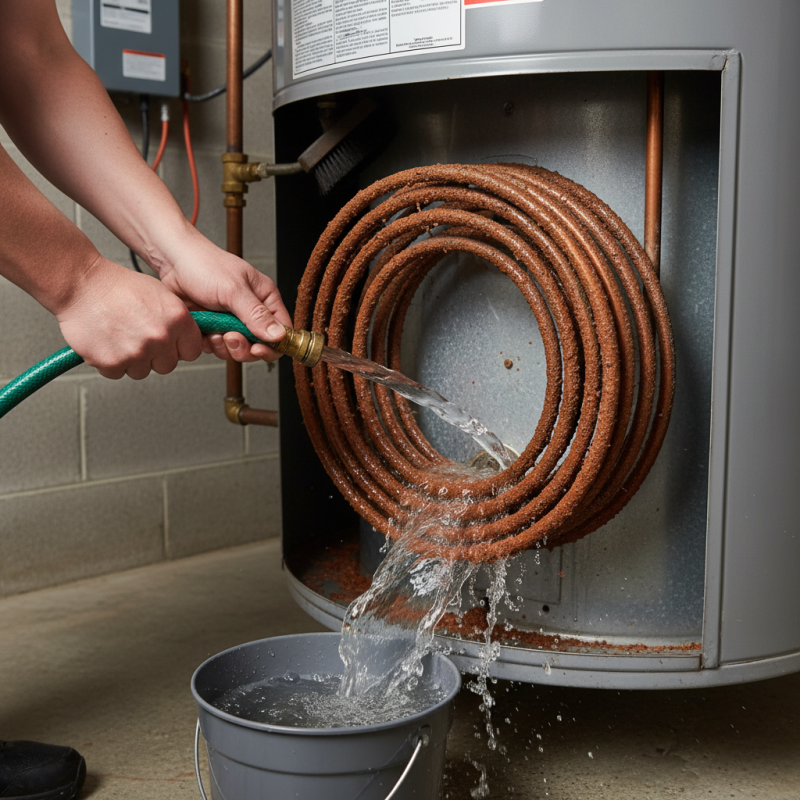
To begin the cleaning process, ensure the power supply is turned off. Drain the tank to remove any accumulated sediment. Use a gentle brush to scrub the coil gently. This step is crucial, as aggressive scrubbing can damage the coil itself. After this, rinse thoroughly, so no particles remain.
Regular coil maintenance not only enhances performance but extends the lifespan of your water heater. Reports suggest that improper maintenance can lead to failures, resulting in costly repairs. Industry standards recommend cleaning the coil at least once a year. However, if your water has high mineral content, consider doing this more frequently. Always monitor for unusual noises or spikes in energy usage, as these may indicate underlying issues.
Monitoring Performance and Signs of Wear in Water Heater Coils
Water heater coils play a crucial role in heating your home's water efficiently. Monitoring their performance and recognizing signs of wear is essential for optimal functioning. Regular checks can help identify issues before they escalate. Keep an eye out for rust, which can indicate corrosion. Discoloration of water can also signal a problem. If water isn't heating properly, it might be time to inspect the coils.
Tips:
- Regularly flush the tank to remove sediment buildup. This helps maintain heat transfer efficiency.
- Inspect the fittings for leaks or signs of wear every few months. Catching issues early can prevent costly repairs.
If you notice unusual noises, such as banging or hissing, don't ignore them. These sounds can indicate sediment buildup or coil wear. Additionally, monitor the temperature settings. Setting it too high can strain the coils, leading to premature wear.
More Tips:
- Keep the thermostat at a safe temperature around 120°F. This minimizes strain on the coils while still providing hot water.
- Consider adding insulation around the water heater. This can help maintain temperature and reduce energy costs.
Actively monitoring your water heater coils ensures they perform efficiently. Addressing small issues promptly can extend their lifespan and save you money in the long run.
Tips for Preventing Damage and Extending Coil Lifespan
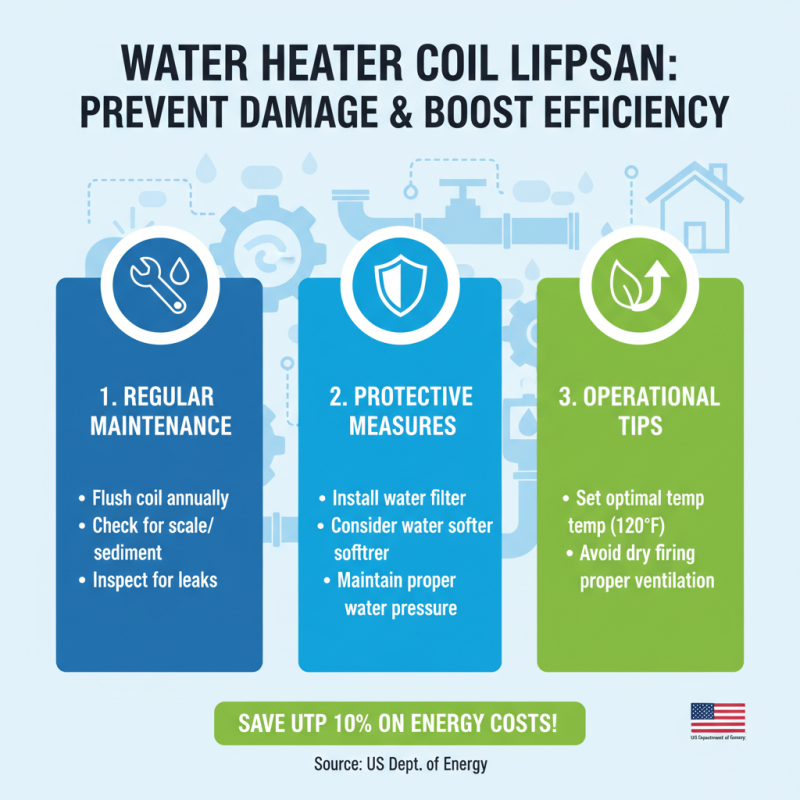
Maintaining your water heater coil is essential for optimal performance. A well-functioning coil can improve efficiency and extend the unit's lifespan. According to the U.S. Department of Energy, regular maintenance can reduce energy costs by up to 10%. However, many homeowners neglect this critical aspect, leading to costly repairs.
To prevent damage and extend the coil's lifespan, consider these tips. First, check the anode rod every few years. This rod helps to prevent corrosion. If it's worn down, replace it to protect your coil. Second, flush the tank periodically to remove sediment buildup. Sediment can hinder heat transfer and cause overheating. Aim for at least once a year, based on usage. This simple maintenance step can significantly enhance performance.
Another important aspect is temperature regulation. Set your water heater to 120°F. Higher temperatures can cause scaling and reduce efficiency. Be mindful, as many homeowners set it too high without realizing the potential damage. Lastly, inspect connections and valves regularly. Loose connections may lead to leaks, causing further issues. Staying proactive can save you money and headaches in the long run.

 +852 60984748