How to Choose the Right Ptc Heating Element for Your Needs?
Choosing the right Ptc Heating Element can seem daunting. Industry expert Dr. Emily Hart explains, “Selecting the right heating element is crucial for efficiency and safety.” Ptc Heating Elements are used in many applications, from household appliances to industrial machines. Their varying specifications make it important to consider what fits your needs best.
When evaluating options, think about power rating and response time. Both factors directly affect performance. A poorly chosen Ptc Heating Element could lead to energy waste or overheating. It’s essential to assess your requirements carefully.
Consider the environment where it will be used. Some elements perform better in specific conditions. For example, humidity and temperature can influence functionality. Each choice has potential drawbacks. Experts emphasize the need for thorough research. Your decision could impact long-term satisfaction and safety.
Understanding PTC Heating Elements: Basic Principles and Functionality
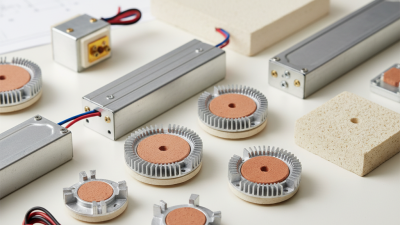
PTC (Positive Temperature Coefficient) heating elements are known for their unique self-regulating properties. Their design allows them to adjust their temperature based on environmental conditions. This means they can prevent overheating effectively, making them safer than traditional heating sources. PTC elements consist of ceramic materials that exhibit a rapid resistance change as temperature rises. According to industry reports, PTC heaters can increase efficiency by up to 30% compared to traditional resistive heaters.
Understanding how these elements function is crucial. When the temperature of the heater reaches a certain threshold, the material’s resistance increases sharply. This self-limiting feature is beneficial for applications where safety is a concern. Studies suggest that PTC heating elements can maintain consistent temperatures with minimal energy consumption. For instance, these heaters are often used in automotive applications to provide gentle, consistent warmth for cabin heating.
Choosing the right PTC heating element involves evaluating several factors, including size, power rating, and application requirements. Not all PTC elements are suitable for every scenario. Potential users should ask questions about efficiency, response time, and life expectancy. Some reports indicate that PTC elements may not perform well in extremely high-temperature applications. Awareness of these limitations can lead to better decision-making when integrating PTC technology into your systems.
How to Choose the Right Ptc Heating Element for Your Needs
| Dimension |
Description |
Typical Values |
| Voltage (V) |
Operating voltage of the heater |
24V, 120V, 220V |
| Power (W) |
Power rating of the heating element |
50W, 100W, 200W |
| Temperature Range (°C) |
Operational temperature range |
-20 to 180 |
| Material |
Material composition of the heating element |
Ceramic, Polymer |
| Dimensions (mm) |
Physical size of the heating element |
10x10, 20x20, 30x30 |
Identifying Your Heating Requirements: Size, Temperature, and Application
When selecting a PTC heating element, understanding your heating requirements is critical. Begin by assessing the size of the space you need to heat. For example, according to industry standards, a larger room typically requires a heating capacity of around 10 watts per square foot. This measurement ensures that the space reaches the desired temperature effectively.
Temperature specifications also play a major role in the decision-making process. Most applications demand precise temperature control, with common settings varying from 50°C to 250°C. Deviating from these ranges can lead to inefficiency or safety issues. It's essential to consider the specific application of the heating element. For instance, an application in industrial settings may require a faster heating response compared to residential uses.
Additionally, think about the materials and environment where the heating element will operate. Factors like humidity and exposure to chemicals can influence durability and performance. A report from industry analysts indicates that over 30% of heating failures stem from improper material choices. This illustrates the importance of not only meeting thermal requirements but also ensuring reliability in the intended application.
Evaluating Material and Design: Factors Impacting Performance and Lifespan
When selecting a PTC heating element, material and design play crucial roles. Different materials offer varying heat conductivity and durability. For instance, ceramic materials provide excellent thermal stability but may be fragile. In contrast, metal-based elements can endure high temperatures but might oxidize over time. Evaluating these characteristics is vital for ensuring you pick the right element for your application.
The design of the heating element can also impact performance. A well-designed element can produce uniform heat distribution. Poorly designed elements may lead to hot spots or inefficiencies. Consider the layout and spacing of the heating coils. Design flaws could result in uneven heating, which may diminish the lifespan of the component. Always think about how both material and design interact. Sometimes, the best choice might not be the most obvious one; reflection on your specific needs is essential.
Comparing Different PTC Heating Element Types and Their Usages
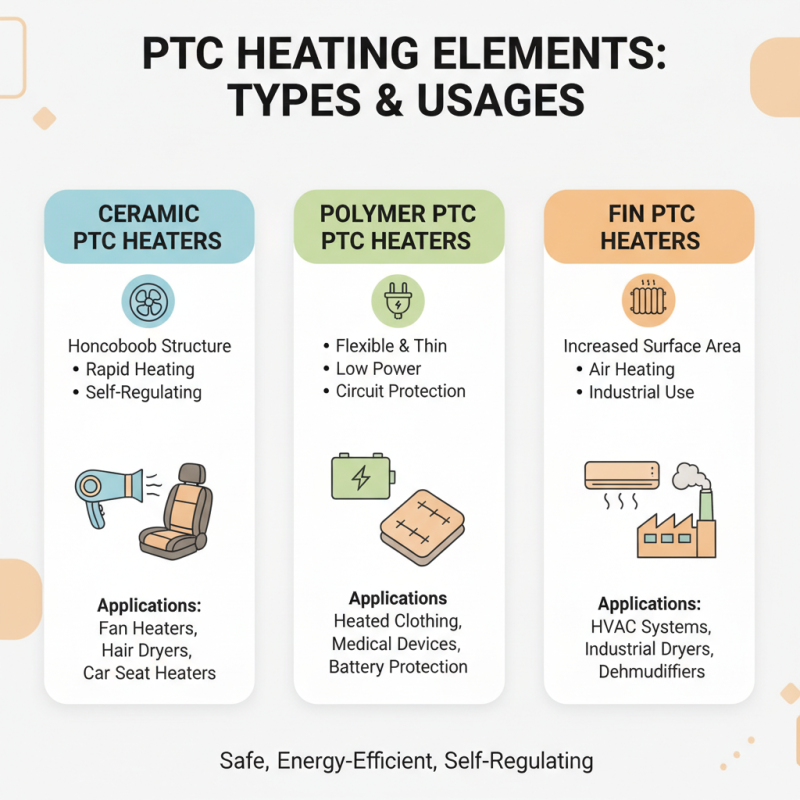
When comparing different types of PTC heating elements, it’s crucial to understand their distinct characteristics and applications. PTC stands for Positive Temperature Coefficient, which means their resistance increases as they heat up. This feature allows them to self-regulate, making them reliable in various applications. According to a recent industry report, PTC heating elements are widely used in home appliances, automotive, and industrial heating systems, capitalizing on their energy efficiency and safety.
One common type is the ceramic PTC heater, known for its robust performance in high-temperature environments. These heaters are often found in space heaters and consumer electronics, providing quick heating while minimizing energy consumption. Another type is the polymer PTC, popular in applications needing flexible design solutions. These elements are lightweight and can be shaped to fit in tight spaces, which makes them ideal for modern electronic devices. However, while ceramic PTCs can withstand higher temperatures, they are typically bulkier and may not fit in every design seamlessly.
Choosing the right type requires careful consideration of the application. Quality and efficiency must align with design specifications. The energy consumption of each type should also be noted, as energy costs can impact long-term efficiency. Identifying the specific heating requirements is essential to optimize performance while addressing potential installation challenges.
Making the Right Choice: Cost-Effectiveness and Supplier Reliability
Choosing the right PTC heating element involves careful consideration of cost-effectiveness and supplier reliability. According to the Heating Element Industry Report 2022, nearly 45% of buyers prioritize affordability. However, the cheapest option may not guarantee performance or longevity. The optimal choice balances price and reliability. This means understanding the specifications of heating elements and their intended applications.
Supplier reliability plays a significant role in this decision-making process. A survey by Global Heating Solutions indicated that 67% of users prefer suppliers with established reputations. Checking for ISO certifications and customer reviews enhances trust. Reliable suppliers often provide warranties and technical support, which can be crucial during installation and maintenance.
Cost analysis should consider life-cycle expenses. A PTC heating element that is slightly more expensive may offer energy savings over time. This factor can significantly impact long-term investments. It’s essential to evaluate not only the initial purchase cost but also durability and energy efficiency ratings. An informed choice leads to better results in both performance and cost savings.
How to Choose the Right PTC Heating Element for Your Needs?
This chart illustrates the importance levels of different criteria when selecting a PTC heating element. The factors considered include cost-effectiveness, supplier reliability, energy efficiency, temperature range, and durability. Accurately assessing these dimensions helps in making an informed decision that balances performance and cost.

 +852 60984748