How to Choose the Right Ptc Heating Element for Your Needs?
Choosing the right Ptc Heating Element is crucial for various applications. With numerous options on the market, it can be daunting. Understanding the specific needs of your project is essential. Consider the size, wattage, and intended use of the element. This will impact both the efficiency and effectiveness of your heating solution.
When selecting a Ptc Heating Element, you must also consider safety features. Not all elements are built the same, and some may pose risks if incorrectly used. Pay attention to certifications like ISO and CE, which ensure quality standards. However, affordability can sometimes overshadow quality.
Reflect on your requirements and the potential shortcomings of cheaper options. It may be tempting to save costs, but what happens if the element fails? Understanding these factors will help you make an informed decision. Choose wisely to meet your heating needs effectively and safely.
Types of PTC Heating Elements Available in the Market
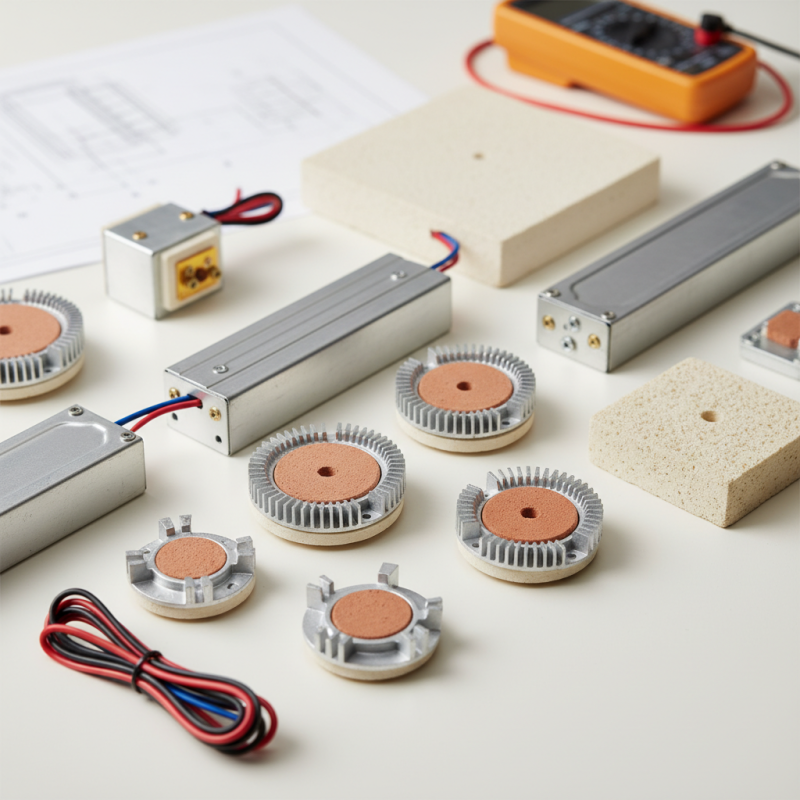
When selecting a PTC heating element, it’s essential to understand the types available in the market.
PTC stands for Positive Temperature Coefficient. These elements are known for their self-regulating abilities.
There are generally two main types: ceramic and polymer-based PTC heaters.
Ceramic PTCs often provide higher durability and stability. However, they can be heavier and more brittle.
Polymer-based elements are lighter and offer flexibility but may not endure extreme temperatures as effectively.
When choosing a PTC heating element, consider your specific needs. Tips include assessing the required temperature range and the available space for installation.
Think about the heating speed you desire.
Some elements heat quickly, while others take longer to reach optimal temperatures.
Remember, each type has its strengths and weaknesses. Evaluate these against your project requirements.
Sometimes, the ideal choice might not seem perfect.
Pay attention to safety ratings. Ensure that the element you pick complies with safety standards.
Underestimating safety can lead to grave consequences.
Review customer feedback on different types. Insights from users can be enlightening.
They often reveal hidden issues or great benefits you might not have considered.
Factors to Consider When Selecting a PTC Heating Element
Choosing the right PTC heating element can be challenging. Many factors come into play, including wattage, voltage, and physical dimensions. Understanding the heating capacity you need is crucial. Are you looking for a quick heat-up time? Or is energy efficiency more important?
Another key aspect is the environment where the element will be used. Consider factors like humidity and exposure to elements. If you opt for an unsuitable heating element, it may lead to performance issues. PTC heating elements also come with different shapes and sizes. Ensure it fits well into your specific application.
Don’t forget to review the operating temperature range. Overheating can damage your device and pose safety risks. Sometimes, users overlook this essential aspect, resulting in poor heat output. Reflecting on your needs can help streamline your selection process. Make sure you weigh all these factors before making a choice.
Factors to Consider When Selecting a PTC Heating Element
This bar chart displays the importance rating of various factors when selecting a PTC heating element. A higher rating indicates increased significance for users considering their heating element needs.
Evaluating the Power Requirements for Your Heating Needs
When selecting a PTC heating element, evaluating power requirements is crucial. This process starts with assessing the space you need to heat. Different rooms have varying sizes and insulation levels. A small room may only need a few hundred watts, while larger spaces might require more power. It's essential to measure accurately to avoid under or overestimating your needs.
Next, consider the heating element’s efficiency. A high-efficiency element can save energy, even when the initial wattage is higher. It's easy to think more power equals better heating, but that isn't always true. Sometimes, a lower wattage could suffice if the heat is distributed well. Remember, insulation quality and layout also impact heating efficiency.
Don't overlook safety. Overloading a system can lead to issues. Ensure the heating element can handle your calculated power requirements. A common mistake is assuming every space heats the same way. Factors like airflow and material types can change how effectively a heater works. Reflect on these elements to make a smarter choice in your heating solutions.
Assessing Temperature Control Options for PTC Heaters
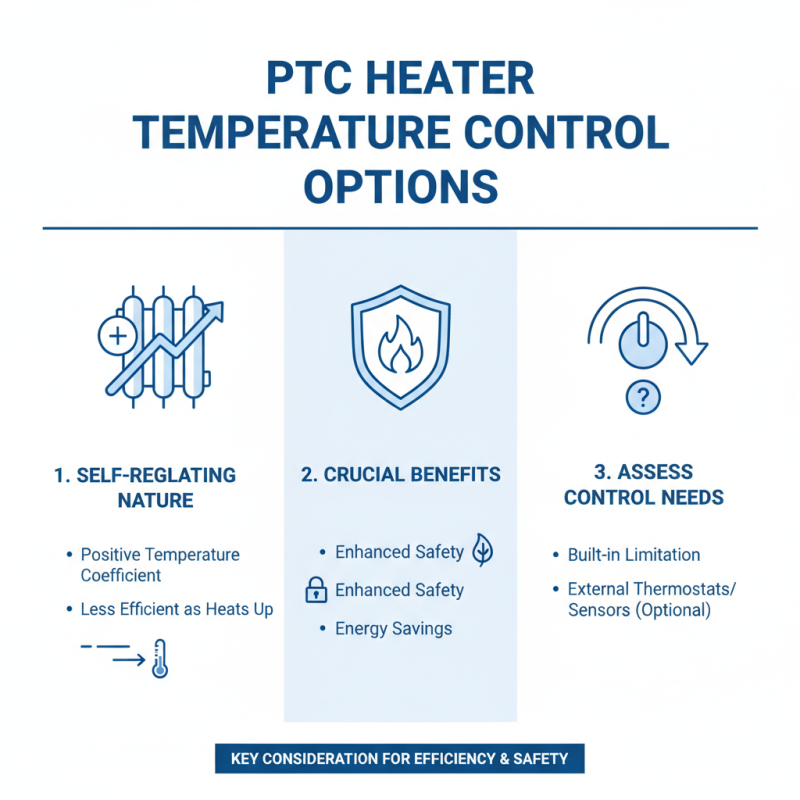
When choosing a PTC heater, temperature control is crucial. PTC, or Positive Temperature Coefficient, heaters naturally regulate their temperature. They become less efficient as they heat up, providing a self-limiting feature. This is important for safety and energy savings. You need to assess how much control you require.
Options for temperature control vary widely. Some heaters offer simple on-off functions. Others feature precise thermostats for detailed temperature settings. For instance, a heater with a built-in thermostat allows users to set specific temperatures. But, relying on such a feature may lead to incorrect settings if not calibrated properly.
Consider how you plan to use the heater. Do you need constant warmth or sporadic heat? Some heaters may overheat without adequate monitoring. While you can adjust settings, achieving the ideal temperature may require trial and error. Be prepared for some learning curves as you explore different configurations. Balancing control with usability is essential for finding the right fit.
Understanding the Safety Features of PTC Heating Elements
When selecting PTC heating elements, safety features should be a primary concern. PTC, or Positive Temperature Coefficient, heaters adjust their temperature automatically. They do not overheat, reducing the risk of fire. This is a critical advantage, especially in household applications. Data from industry reports indicates that nearly 30% of heating device fires are due to overheating. PTC elements mitigate this risk effectively, making them safer than traditional heating technologies.
Another important aspect is the thermal cut-off feature. PTC heating elements often include safeguards that shut off the device if temperatures exceed safe levels. This added layer of security is essential for users. A report from the National Fire Protection Association suggests that using devices with built-in safety mechanisms can lower incident rates by 25%.
However, not all PTC heaters are created equal. Users must evaluate certifications and compliance with safety standards. Some products may lack rigorous testing. This inconsistency raises concerns about reliability. Responsible sourcing and quality checks become vital in ensuring safety. Buyers should consider both the functionality and the protective features before making a decision.
How to Choose the Right Ptc Heating Element for Your Needs? - Understanding the Safety Features of PTC Heating Elements
| Feature |
Description |
Importance |
| Temperature Control |
Automatic regulation of heating output based on ambient temperature. |
Prevents overheating and improves energy efficiency. |
| Overheat Protection |
Safety mechanism that turns off the heating element when it reaches a dangerous temperature. |
Ensures user safety and prevents fires. |
| Material Quality |
Use of durable materials that withstand high temperatures without degrading. |
Increases lifespan and reliability of the heating element. |
| Heating Speed |
Time taken to reach the desired temperature. |
Essential for applications requiring quick heating. |
| Energy Efficiency |
The amount of energy consumed relative to heat output. |
Reduces operating costs and environmental impact. |

 +852 60984748