How to Choose the Best PTC Heating Element for Your Needs?
Choosing the right PTC heating element can be a challenging task. With various options available, expertise is crucial. Dr. Emily Chen, a leading expert in heating technology, once said, "Selecting a PTC heating element isn't just about heat; it's about efficiency and safety."
Understanding your specific needs is vital. PTC heating elements come in different shapes and sizes, affecting their performance. For example, their voltage ratings and thermal characteristics play significant roles. Factors like material quality and design influence longevity and effectiveness. Users often overlook these details, leading to premature failures or inefficiencies.
Moreover, many customers find themselves overwhelmed by jargon. Knowing what you need means looking beyond sales pitches. Real-world applications vary widely, and so should your choices. It’s essential to reflect on your unique requirements. Engage with professionals to clarify doubts and ensure a suitable selection. The right choice will enhance performance and reliability.

Understanding PTC Heating Elements: Basics and Functionality
PTC heating elements play a vital role in various applications, from home heating to industrial usage. Understanding their basic functionality is essential. PTC stands for Positive Temperature Coefficient. These elements increase their resistance as the temperature rises, allowing for self-regulating heating. This feature is particularly advantageous in preventing overheating. When the desired temperature is reached, the element effectively reduces its power consumption.
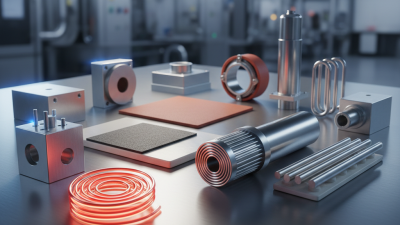
When evaluating PTC heating elements, consider their material composition and operating temperature range. Common materials include ceramic or polymer-based substances. It's essential to match the element with your specific heating needs. The power output and size also matter. A compact size might be advantageous in limited spaces, but ensure it meets the warmth requirements effectively.
Reflecting on PTC technology, some may find these elements less efficient for larger spaces. In these situations, alternatives might be necessary. The durability of PTC heaters can vary, influenced by the operating conditions and environment. Regular assessments and adjustments could enhance their longevity and efficiency. Understanding these aspects helps in making informed choices for optimal performance.
Factors to Consider When Selecting a PTC Heating Element
When selecting a PTC heating element, several key factors must be accounted for to ensure optimal performance and safety. One of the most critical considerations is the thermal output required for your specific application. Various reports indicate that efficient heating elements can achieve temperatures ranging from 60°C to 300°C, depending on their design and material composition. Understanding the required temperature range will inform the selection of a suitable PTC element.
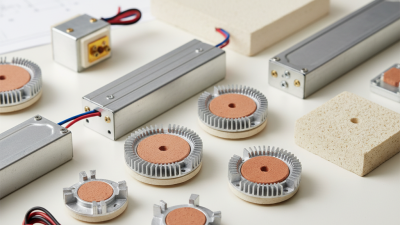
Another important factor is the element's size and shape. PTC heating elements come in various configurations, which can significantly impact heat distribution. A mismatch between the element size and the application can lead to uneven heating. For instance, small elements may fail to provide adequate heat, while larger ones might cause inefficient energy use. Additionally, it’s worth noting that specific applications may demand specialized shapes for better integration, like those used in electronic devices or automotive components.
Lastly, consider the operating environment. Factors such as humidity, exposure to chemicals, and ambient temperature can affect element longevity. Reports emphasize that a poorly chosen heating element may degrade faster than expected, raising safety concerns. Evaluate the environmental conditions each heating element will face. This thought process is essential for selecting a reliable PTC heating solution. Each of these considerations can drastically influence performance and efficiency.
Different Applications for PTC Heating Elements
PTC (Positive Temperature Coefficient) heating elements have diverse applications across various industries. Their unique heating mechanism allows for safer and more efficient thermal regulation. For example, they are widely used in household appliances such as space heaters and dehumidifiers. These devices rely on PTC elements for their self-regulating properties, minimizing the risk of overheating.
In automotive applications, PTC heating elements play a critical role in cabin heating and defrosting windows. Their fast response time provides immediate warmth, essential during cold weather. Furthermore, PTC elements are also employed in medical devices, offering precise temperature control critical to patient safety. Many healthcare professionals appreciate how these elements guarantee consistent and reliable heating in diagnostic tools.
While PTC heating elements are versatile, one must consider how they will fit specific needs. Effectiveness can vary based on the size and insulation of the area being heated. Additionally, not all applications require the same level of performance. It's essential to assess the operational environment and choose PTC elements accordingly. This evaluation may prevent inefficient usage and potential system failures, prompting a deeper examination of the heating requirements.
Comparing PTC vs. Traditional Heating Elements
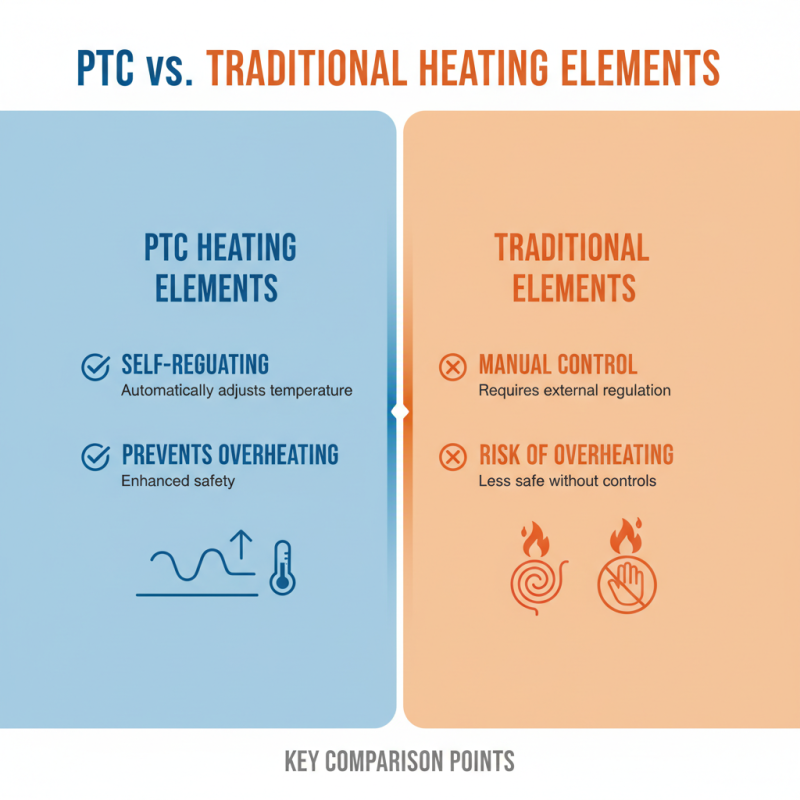
When comparing PTC (Positive Temperature Coefficient) heating elements with traditional heating elements, several factors come into play. PTC elements offer self-regulating features. This means they adjust their temperature automatically. Traditional elements, however, can overheat and require more manual control.
Efficiency is another crucial factor. PTC heaters typically heat up quicker and provide consistent warmth. Users often notice lower energy consumption. In contrast, traditional options might consume more power, especially if not properly maintained.
Cost is a consideration too. PTC heaters usually have a higher upfront price but last longer than traditional elements. They can be seen as an investment. Traditional elements might be cheaper, but their lifespan can be significantly shorter. Weighing these factors can lead to better heating choices.
Maintenance and Safety Tips for PTC Heating Elements
When using PTC heating elements, maintenance is crucial for safety and performance. Regularly inspect the heating element for signs of wear or damage. Look for frayed wires, cracks, or discoloration. These issues can lead to malfunctions or fires. Clean the element to remove dust and debris. Dust buildup can hinder efficiency and increase fire risk.
Proper installation is also vital. Follow the manufacturer’s recommendations to ensure correct placement and secure connections. Incorrect installation can cause overheating or failure. Keep the area surrounding the heating element clear of flammable materials. This simple step can prevent serious accidents.
Always monitor the heating element while it's in use. Unexpected changes in temperature or unusual sounds might indicate a problem. If you notice anything unusual, turn off the power immediately. Regular checks reinforce reliability. They keep the heating system safe and efficient. Avoiding complacency can save you from potential hazards.

 +852 60984748