2026 How to Choose the Right Electric Heating Element for Your Needs?
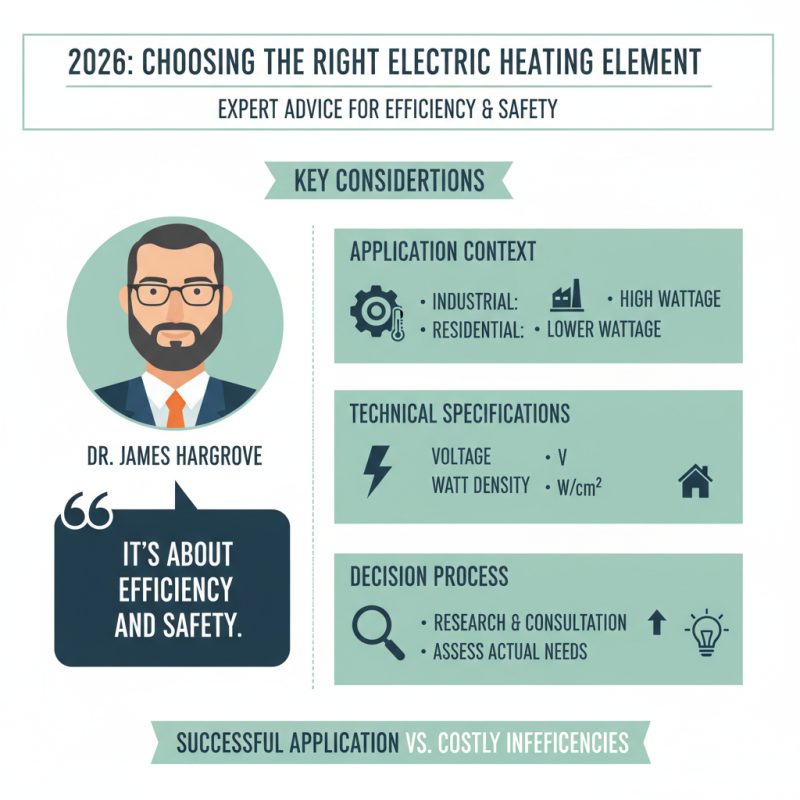
Choosing the right Electric Heating Element can be a daunting task. Many factors come into play, from size to compatibility. Industry expert Dr. James Hargrove, a well-respected figure in thermal engineering, once stated, "Selecting an electric heating element isn't just about heat; it's about efficiency and safety."
Electric heating elements are crucial in many applications, including industrial and residential contexts. You need to consider the specific requirements of your project. Different elements serve distinct purposes. For instance, high wattage elements are often necessary in industrial settings, while residential needs may demand lower wattage.
Understanding the specific needs, such as voltage and watt density, is essential. Research and consultation will greatly enhance your decision-making process. Take time to reflect on your actual heating needs. This ensures you do not overlook critical details that might affect performance. Selecting the right Electric Heating Element can mean the difference between a successful application and costly inefficiencies.
Understanding Electric Heating Elements: Types and Applications
When choosing an electric heating element, it's vital to understand the different types available and their specific applications. Electric heating elements can be categorized into several types, such as resistive, induction, and radiant heaters. Resistive elements convert electrical energy directly into heat, making them ideal for room heating and water heating applications. These devices offer immediate heating but may have varying efficiency levels depending on the material used.
Induction heating elements operate on a different principle. They use electromagnetic fields to generate heat. This technology is highly efficient, often used in cooking appliances. However, it requires compatible cookware. Radiant heaters, on the other hand, emit infrared radiation. They are great for heating specific areas quickly, such as in workshops or patios.
Choosing the right element depends on the intended purpose and the environment. Consider safety features, efficiency ratings, and installation requirements. It's essential to reflect on potential drawbacks, such as energy consumption or heat output. Understanding these factors can lead to more informed decisions.
Key Factors to Consider When Choosing an Electric Heating Element
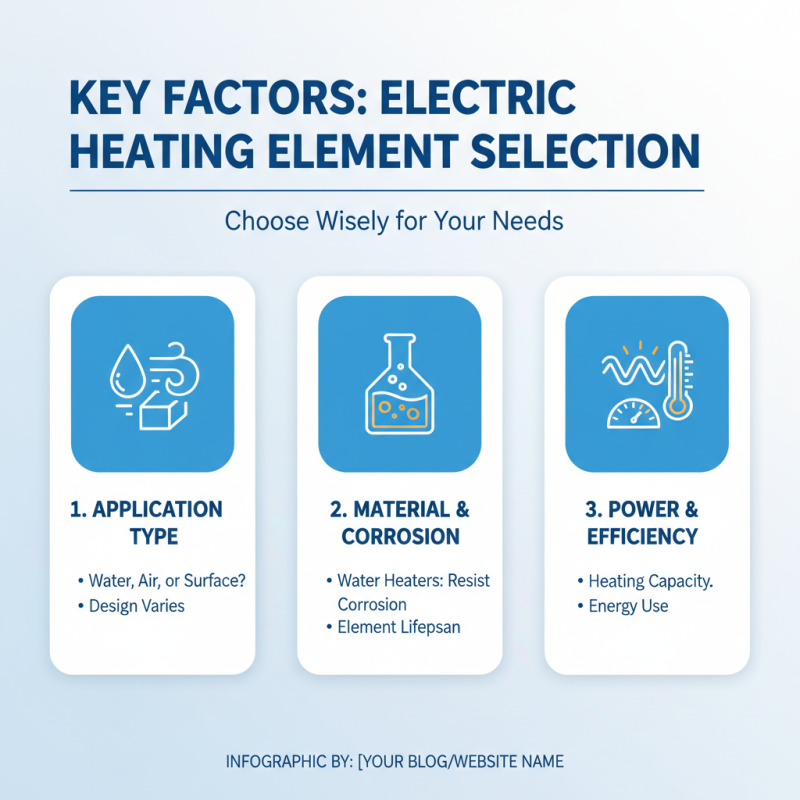
When selecting an electric heating element, understanding your specific needs is crucial. The application type is a primary consideration. Are you heating water, air, or perhaps a solid surface? Electric heating elements vary in design and functionality across these applications. For instance, water heaters require elements that can withstand corrosion over time.
Another key factor is the power rating of the element. It determines how quickly the desired temperature can be reached. Higher wattage generally means faster heating. However, higher power also leads to increased energy consumption. It requires a careful balance to ensure that efficiency is maintained. You don’t want to purchase a system that heats quickly but costs too much to operate.
Material selection matters significantly as well. Common materials include stainless steel and copper, each offering different durability and heating rates. Think about the environment the element will be used in. Humidity, temperature, and exposure to chemicals can affect longevity. Weighing these options isn’t easy. Research is essential, and mistakes can be costly. Consider consulting with professionals who have experience to guide your choices.
Evaluating the Power Requirements for Your Heating Needs
When choosing an electric heating element, understanding power requirements is crucial. The amount of energy needed depends on the space you want to heat. For instance, a small room may require less power than a larger garage. Identifying your heating space is the first step. You can calculate the wattage needed by assessing the square footage. A rough estimate is 10 watts per square foot.
It's equally important to evaluate insulation quality. Poorly insulated areas need more power to maintain warmth. For example, if your space loses heat quickly, you might need to increase the wattage. Additionally, think about how long you plan to use the heater. Short bursts may require less power, while continuous use will drive up energy consumption and costs.
Not every choice will meet your expectations. Experimenting with different wattages could reveal unexpected outcomes. You might find that a lower wattage works better than anticipated. Reflecting on energy needs helps in selecting the right heating element. Always consider your long-term comfort and efficiency. These factors collectively guide your decision, ensuring you find the best solution for your heating needs.
Material Considerations for Durability and Efficiency
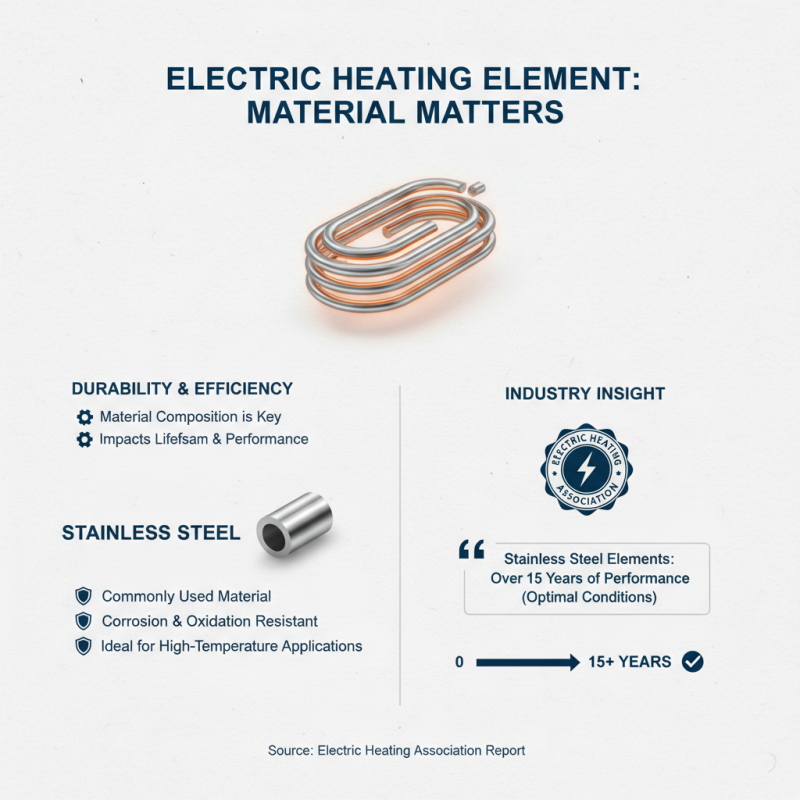
Choosing the right electric heating element requires careful consideration of material. The durability and efficiency of the heating element largely depend on its composition. For instance, stainless steel is commonly used due to its resistance to corrosion and oxidation, making it an excellent choice for high-temperature applications. A report from the Electric Heating Association noted that stainless steel heating elements can maintain performance for over 15 years under optimal conditions, making them a reliable option.
On the contrary, materials like aluminum may not endure as well over time. Though cheaper, aluminum can deform and oxidize, leading to reduced efficiency. According to industry data, heating elements made from aluminum may lose up to 20% of their efficiency within five years of use. This inefficiency not only impacts performance but can also increase energy costs.
In evaluating these materials, it's vital to consider the intended application. A high-efficiency heating element may initially seem more expensive but can yield savings in energy costs over time. Reflecting on material choices is essential; a hasty decision may lead to both reduced performance and higher replacement costs.
Installation and Maintenance Tips for Electric Heating Elements
When installing an electric heating element, safety should always come first. Ensure the power is turned off before starting any installation. Using appropriate personal protective equipment is essential. The installation area must be clean and dry. Check the specifications of the heating element against your system requirements. Incorrect installations can lead to inefficient heating or even hazards.
Once installed, regular maintenance is critical for the longevity of your heating element. Inspect connections for signs of wear. Look for any fraying or damage in wires. Periodic cleaning can prevent debris accumulation, which can affect performance. Keep an eye on the heating element's output; any irregularities may signal deeper issues. Document your maintenance checks for future reference. It's advisable to consult professionals for complex systems to ensure reliability.

 +852 60984748