China Top Water Heater Coil Types for Efficient Heating Solutions?
In the quest for efficient heating solutions, the role of the Water Heater Coil is crucial. According to industry expert Dr. Emily Chen, “The choice of coil design directly impacts energy efficiency.” Water Heater Coils vary widely in design and material. Their effectiveness can determine your overall energy usage and costs.
Consumers often overlook the importance of selecting the right Water Heater Coil. Many are unaware of how coil efficiency influences heating times and energy consumption. The landscape is filled with options, but not all coils perform equally. For example, copper coils may provide better thermal conductivity compared to stainless steel, but durability must also be considered.
Moreover, manufacturers continue to innovate, leading to advanced coil designs that promise higher efficiency. However, these advancements may not always be accessible to every household. Understanding your specific heating needs is essential. Without informed choices, even the best coil types can fall short of expectations. Hence, it is vital to weigh all factors before making a decision.
Types of Water Heater Coils: An Overview of Design and Functionality
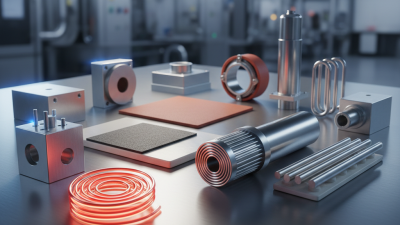
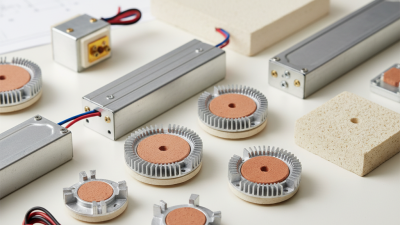
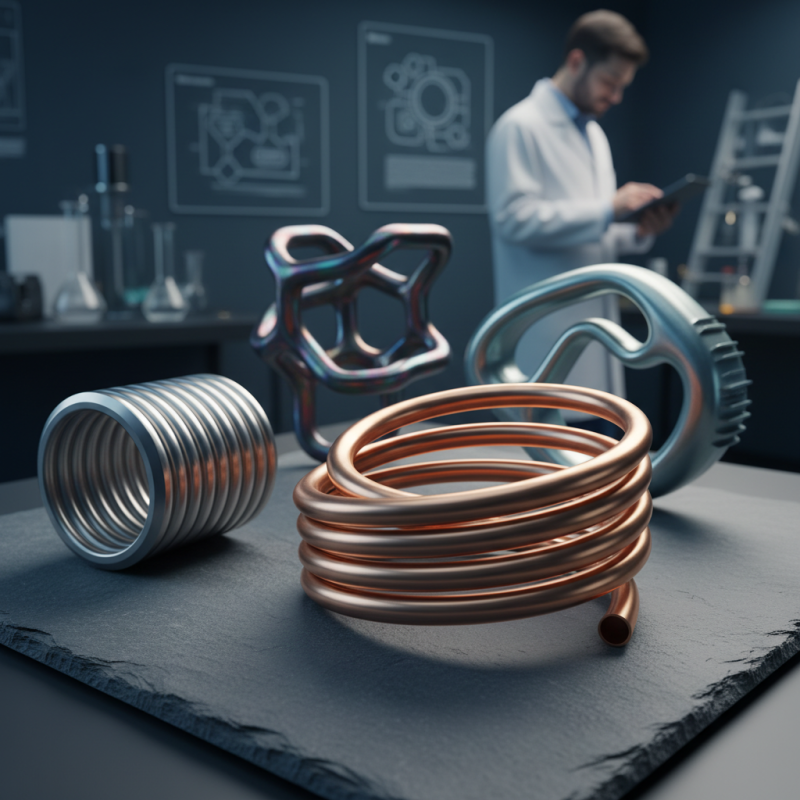
Water heater coils play a vital role in heating systems. They are essential components that facilitate efficient heat transfer. There are several types of water heater coils, each designed for specific requirements and applications. These include copper coils, stainless steel coils, and aluminum coils.
Copper coils are popular due to their excellent thermal conductivity. Stainless steel coils, on the other hand, offer better corrosion resistance. Each type has advantages and certain drawbacks.
Understanding the design and functionality of these coils is crucial. Copper coils can heat water quickly but may be prone to corrosion over time. Stainless steel coils last longer but may not transfer heat as efficiently as copper. Aluminum coils are lightweight and cost-effective, yet they might not be as durable. Thus, a thoughtful selection based on real needs is necessary. Homeowners should also consider installation costs and efficiency ratings when choosing.
Coils require regular maintenance to function optimally. Scale buildup can reduce efficiency. Routine checks are essential for prolonged lifespan and reliable performance. Homeowners might overlook such needs, leading to potential issues. It's essential to remain vigilant and aware of one’s heating system. Reflecting on these details can help make informed decisions.
Key Materials Used in Water Heater Coil Manufacturing
Water heater coils play a crucial role in the heating process. The materials used in their manufacturing significantly influence efficiency and durability. Commonly, copper and stainless steel are preferred for their superior heat conductivity. Copper coils transfer heat rapidly, increasing efficiency. However, they may corrode over time, which raises concerns about their longevity.
Stainless steel, on the other hand, offers excellent resistance to corrosion and scaling. This makes it a reliable choice for long-term use. Despite being heavier and more costly, many users favor stainless steel for its durability. There are also lesser-known alloys that combine the benefits of both materials, though they might not be widely regarded.
Finding the right material can be challenging. Not all coils are created equal, and sometimes the choice depends on specific needs. Some consumers overlook the importance of thermal efficiency. Others focus solely on upfront costs, ignoring long-term performance. A balanced approach often leads to better satisfaction. Understanding the characteristics of these materials ensures better heating solutions for homes.
Efficiency Ratings of Different Coil Types: Understanding Performance Metrics
When discussing water heater coil types, understanding their efficiency ratings is crucial. Efficiency ratings often reflect how much energy is converted into useful heat. Two key metrics here are Thermal Efficiency and Coefficient of Performance (COP). Research indicates that copper coils have a thermal efficiency of up to 95%. In comparison, stainless steel coils often range from 85% to 90%.
It's also important to note that the environment can affect efficiency. For instance, standard operating temperatures can alter the performance metrics significantly. While heat loss due to insulation can occur, effective designs can minimize these losses. Studies have shown that coils with superior insulation maintain heating efficiency effectively, yet achieving optimal insulation often comes at a higher upfront cost.
Understanding these performance metrics aids in making informed decisions. Data suggests that a well-chosen coil can lead to energy savings of 30% over its lifespan. The quest for improving heating efficiency remains ongoing. As technology advances, new designs are continually developed. However, manufacturers must reflect on balancing performance with cost-effectiveness.
Efficiency Ratings of Different Water Heater Coil Types
Impact of Coil Design on Heating Time: Analyzing Industry Data
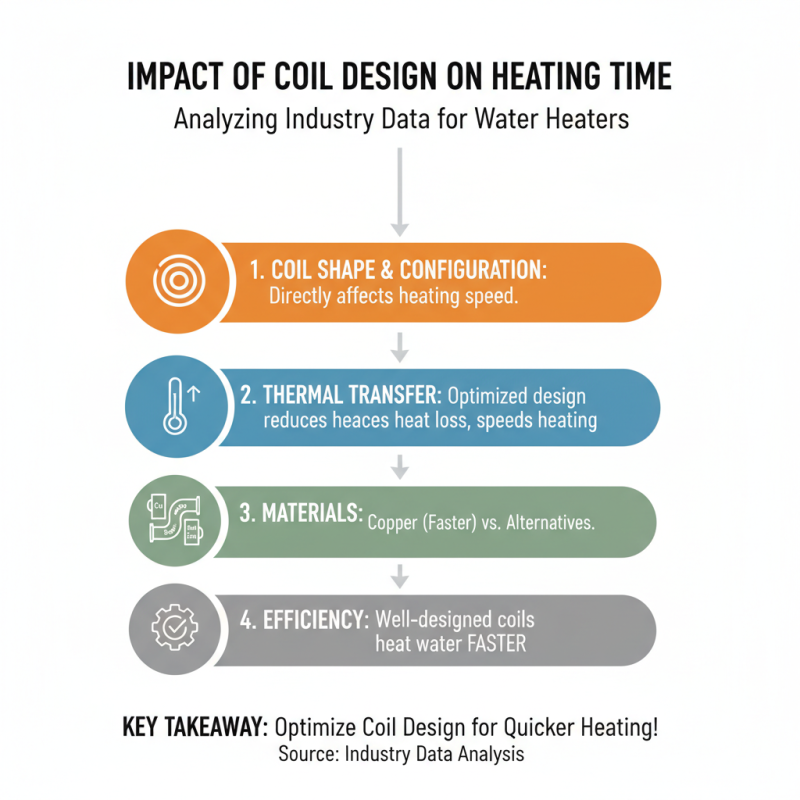
Coil design plays a crucial role in determining the efficiency of water heaters. Various shapes and configurations can significantly affect heating times. A well-optimized coil minimizes heat loss and increases the thermal transfer rate. Different materials also alter performance. Copper coils, for instance, conduct heat more effectively than many alternatives.
Industry data shows that larger coils often heat water more quickly due to increased surface area. However, larger sizes can lead to increased energy usage. Users must evaluate the trade-off between speed and efficiency. Some designs, while efficient, may require regular maintenance. Neglect can lead to scaling, reducing effectiveness over time.
Consumer feedback highlights common frustrations with slow heating times. Many users express a desire for quick heating solutions. They often overlook how coil design impacts this aspect. Understanding these factors can empower better purchasing decisions. Awareness leads to more informed choices in selecting water heating technology. Choosing the right coil can mean the difference between comfort and inconvenience.
Future Trends in Water Heater Coil Technology: Innovations and Sustainability
Water heater coil technology is evolving. Innovations focus on efficiency and sustainability. Traditional metal coils are common, but new materials are emerging. These materials enhance heat transfer and durability. They also reduce energy consumption, which is essential in today’s world.
Sustainability is a major driver of change. Coils made from recyclable materials are gaining attention. They fulfill environmental goals while maintaining performance. Energy sourcing is also crucial. Renewable energy sources are shaping how coils are designed and used. This shift could lead to significant reductions in carbon footprints.
Some difficulties remain. Current manufacturing processes may not support widespread changes. Not all designs are compatible with existing systems. Homeowners may face challenges in integrating new technologies. Thus, continuous research and industry collaboration are vital. Addressing these issues will pave the way for a more efficient and sustainable future in water heating solutions.
China Top Water Heater Coil Types for Efficient Heating Solutions
| Coil Type |
Material |
Efficiency (%) |
Heat Transfer Rate (W/m²·K) |
Lifetime (Years) |
| Copper Coil |
Copper |
95 |
400 |
20 |
| Stainless Steel Coil |
Stainless Steel |
90 |
350 |
25 |
| Aluminum Coil |
Aluminum |
85 |
300 |
15 |
| Titanium Coil |
Titanium |
92 |
380 |
30 |

 +852 60984748