The Best 10 Heating Element Wire Types You Should Know?
In the world of heating technologies, understanding different types of Heating Element Wire is crucial. The right wire impacts efficiency and safety in heating applications. According to a report by Grand View Research, the global heating elements market is expected to reach $16.7 billion by 2027, illustrating significant growth in this sector.
Selecting the correct Heating Element Wire can be complicated. Various materials offer unique properties. For instance, nichrome is widely used due to its high resistance and durability. In contrast, copper wires provide excellent conductivity but may not withstand high temperatures well. Knowing these differences is vital for optimal performance.
Industry experts stress the importance of matching wire types with application requirements. However, many users overlook specific characteristics like thermal expansion and oxidation resistance, leading to inefficiencies. Thus, understanding how to select the appropriate Heating Element Wire is not just beneficial; it’s essential for both safety and functionality in modern applications.
Types of Heating Element Wires: An Overview
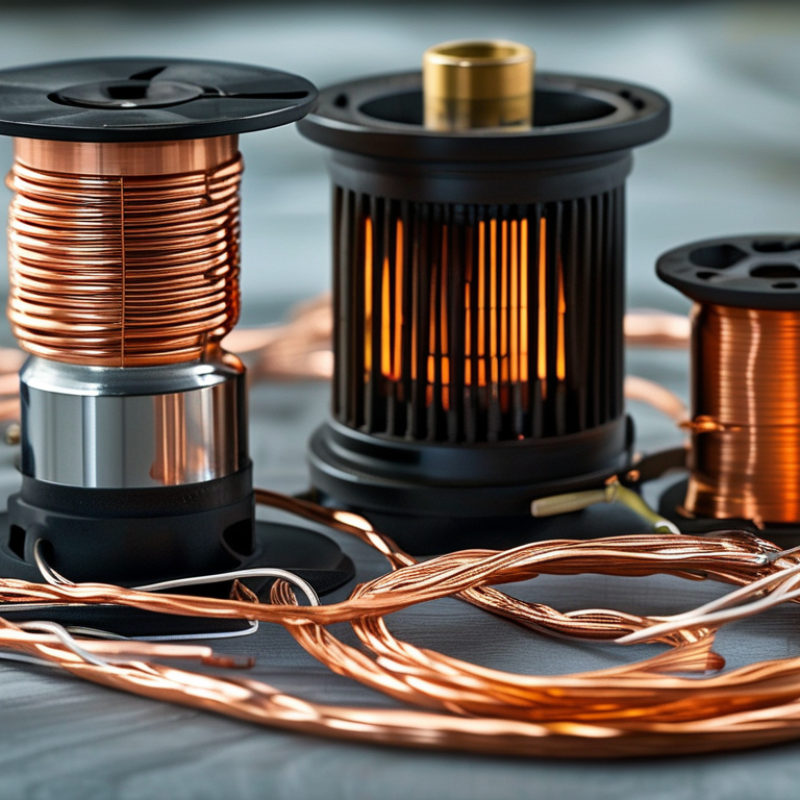
Heating element wires are crucial in many industrial applications. They convert electrical energy into heat. Understanding different types can enhance efficiency.
One common type is Nichrome wire. It consists of nickel and chromium. Nichrome can withstand high temperatures. Its resistance is stable, making it reliable for heating elements.
A report by the International Journal of Materials Science and Engineering notes that Nichrome offers excellent longevity, making it a preferred choice for many applications.
Another option is Kanthal wire. This iron-chromium-aluminum alloy is known for its resistance to oxidation. It can handle extreme temperatures.
According to a study published by the Journal of Applied Physics, Kanthal has a higher corrosion resistance compared to other options. This makes it suitable for both commercial and residential heating needs.
Nonetheless, users need to be cautious. The choice of heating element wire depends on specific conditions. Heat generation can vary, affecting the overall performance. Regular assessments are crucial for optimal function.
Characteristics of Common Heating Element Wire Materials
When choosing a heating element wire, understanding the characteristics of various materials is essential. Commonly used wire types include nichrome, stainless steel, and copper.
Nichrome, with its resistance to oxidation, is ideal for high-temperature applications. It can withstand heat without degrading over time.
Stainless steel, while not as efficient in heat transfer, is durable and resistant to corrosion, making it suitable for different environments. Copper, known for its excellent conductivity, can heat quickly but may not hold up in extreme temperatures.
Each material has its pros and cons. Nichrome's durability often makes it a favorite. However, the high cost can be a drawback for some. Stainless steel is widely available and cheaper but is slower to heat up.
Copper shines in low-temperature applications but may require careful handling to avoid damage. It's essential to consider the specific needs of your project. Choosing the right wire type can impact overall performance.
Flaws in material selection can lead to inefficiencies or quicker failure. Evaluating each option carefully can save time and deliver better outcomes.
Applications and Uses of Different Heating Element Wires
Heating element wires play a crucial role in various applications. Commonly, they are used in heating appliances, industrial equipment, and even in laboratory settings. Each type of heating wire offers unique advantages depending on the specific requirements of the application. For instance, nichrome wire is favored for its high resistance and durability, making it ideal for toasters and hair dryers. It can withstand high temperatures without degrading, which is essential for consistent performance.
In contrast, copper wire is often used for its excellent conductivity. However, it has limitations in high-temperature applications. While it heats quickly, it can melt under extreme conditions. Therefore, users must consider the environment when selecting wire types. There's also a growing trend toward using silicone-coated wires. These wires provide flexibility and additional heat resistance, making them suitable for modern, compact designs.
The choice of heating element wire can significantly affect performance and safety. Factors such as wire gauge, resistance, and thermal expansion should all be carefully evaluated. Users may find it challenging to select the right type without thorough knowledge. Experimentation with different materials can lead to improved outcomes, yet some may struggle with this process. Understanding these nuances is essential for anyone working with heating elements.
Factors to Consider When Choosing Heating Element Wires
When selecting heating element wires, several key factors should be considered. The wire’s material plays a crucial role in its performance. Common materials include kanthal, nichrome, and stainless steel. Each has unique properties that influence heating efficiency and durability. Kanthal is often favored for high-temperature applications, while nichrome may offer quicker heating times.
Another vital consideration is the wire gauge. Thicker wires can handle higher currents but may have slower heating times. Thinner wires heat up faster but are more prone to burnout. Users must find a balance between speed and longevity based on their specific needs.
Also, the operating environment cannot be overlooked. If the heating element will be exposed to moisture or corrosive substances, corrosion-resistant materials are essential. Reflect on your application’s demands. This step is easy to forget but crucial for ensuring safety and efficacy. Taking the time to evaluate these aspects can lead to better performance and increased lifespan of your heating elements.
The Best 10 Heating Element Wire Types You Should Know
| Wire Type |
Material |
Max Temperature (°C) |
Resistance (Ohm/m) |
Applications |
| Kanthal A-1 |
Iron-Chromium-Aluminum Alloy |
1400 |
1.45 |
Ovens, heaters |
| Nichrome |
Nickel-Chromium Alloy |
1200 |
0.8 |
Toasters, hair dryers |
| Copper |
Copper |
200 |
0.017 |
Water heaters, radiators |
| Silicon Carbide |
Silicon Carbide |
1600 |
10 |
High-temperature furnaces |
| Stainless Steel |
Stainless Steel |
800 |
2.0 |
Food processing |
| Inconel |
Nickel-Chromium Alloy |
1000 |
1.2 |
Industrial heating |
| Constantan |
Copper-Nickel Alloy |
400 |
0.5 |
Thermocouples, strain gauges |
| Titanium |
Titanium Alloy |
600 |
1.0 |
Aerospace heating elements |
| Tungsten |
Tungsten |
3400 |
0.05 |
High-temperature applications |
Maintenance and Safety Tips for Heating Element Wires
Heating element wires play a crucial role in various applications, from home appliances to industrial equipment. However, proper maintenance and safety are paramount. Regular inspections can help identify wear and tear. Look for signs of fraying, discoloration, or overheating. These can indicate potential issues that need immediate attention.
It's important to handle these wires with care. Always disconnect power before performing any maintenance. Use insulated tools to avoid electric shock. Having a fire extinguisher nearby is also wise. While it is easy to overlook these steps, neglect can lead to dangerous situations. Sometimes, we think, “It won’t happen to me.” This mindset can be risky.
Cleaning is essential for optimal performance. Dust and grime can accumulate on heating elements, affecting efficiency. If neglected, this may result in overheating. Regularly clean the area surrounding the wires. Keeping them free of debris enhances safety and longevity, creating a more reliable environment for heating applications. These practices may seem tedious but are vital in ensuring safe operations.
The Best 10 Heating Element Wire Types
This chart illustrates the resistance values of the top 10 heating element wire types categorized by their material composition. Understanding these values is crucial for maintenance and safety when using heating elements.

 +852 60984748