10 Best Electric Heating Elements for Efficient Heating Solutions?
The demand for efficient heating solutions continues to rise in various sectors. Electric Heating Elements are pivotal in achieving optimal energy use and comfort. According to a recent market analysis by Heating Solutions Group, the market for electric heating elements is projected to grow by 7% annually, reflecting a broader trend toward energy-efficient appliances.
Dr. Emily Stone, a leading expert in thermal engineering, states, "The evolution of Electric Heating Elements is transforming our approach to energy consumption." Her insights underscore the growing importance of innovation in manufacturing robust, efficient heating components. However, challenges remain. Many manufacturers still struggle to meet international standards like ISO and CE, impacting global competitiveness.
Furthermore, the introduction of AI technologies at trade shows, such as the 2026 Canton Fair, showcases the shift towards smart sourcing. This evolution could enhance the way suppliers are identified and assessed. Yet, without proper adaptation and compliance, companies may miss opportunities to showcase their advancements in Electric Heating Element technology. There is a pressing need for reflection on how to bridge these gaps effectively.
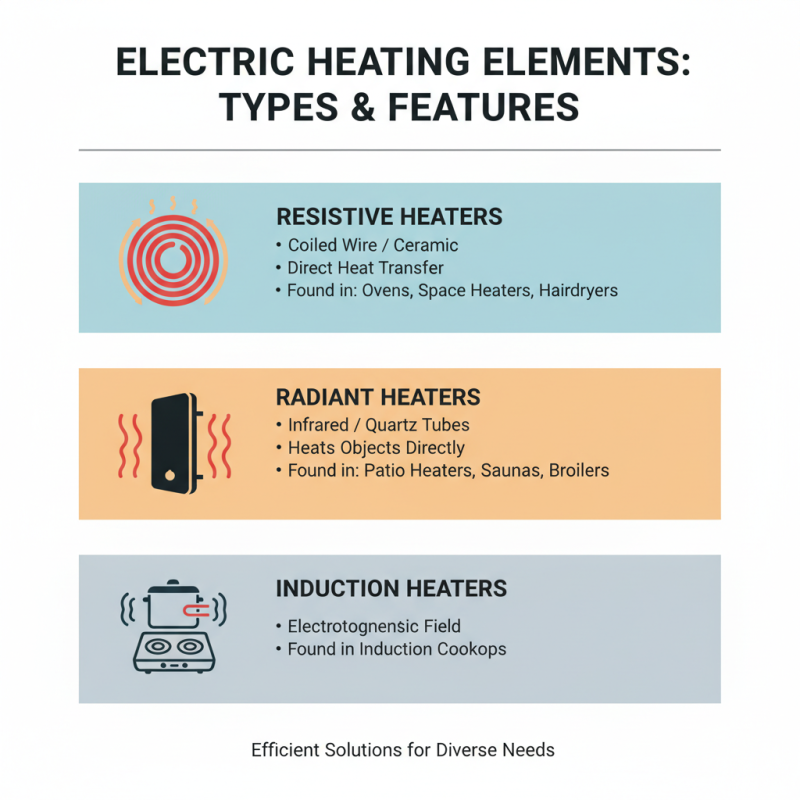
Understanding Electric Heating Elements: Types and Features
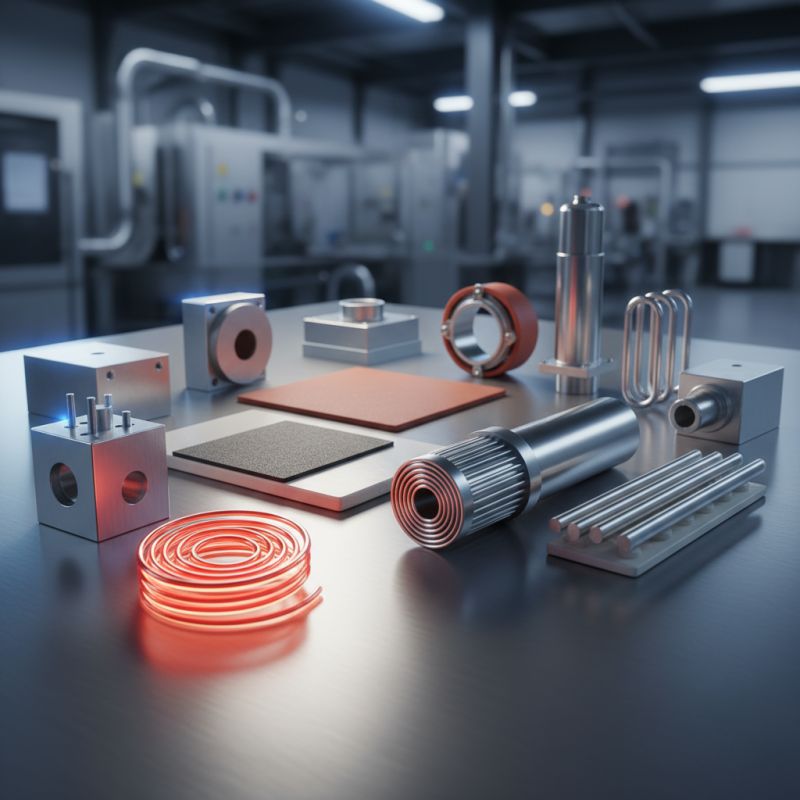
Electric heating elements come in various types and features, catering to different heating needs. They play a crucial role in appliances like heaters, ovens, and water heaters. The most common types include resistive heating elements, radiant heaters, and induction heating elements. Each type has unique characteristics and efficiencies, making them suitable for specific applications.
Choosing the right heating element can be challenging. Consider the power output, efficiency rating, and installation requirements. Some elements heat up quickly, while others provide consistent warmth over time. You may find elements that work better in smaller spaces, while others are ideal for larger areas. Pay attention to the material composition as well, as it affects durability and performance.
Tips: Always check for safety certifications. An element without proper ratings can pose risks. Regular maintenance is important too. Dust and debris can diminish efficiency. It’s essential to keep heating elements clean and well-maintained to ensure optimal performance. Each scenario may require a different approach, so be attentive to your specific heating needs and the environment you’re working with.
Factors to Consider When Choosing Electric Heating Elements
Choosing the right electric heating element can greatly impact efficiency and performance. Key factors to consider include wattage, size, and application type. According to industry reports, the optimal wattage for residential use typically ranges between 1,500 and 3,000 watts. This range ensures effective heating without excessive energy consumption.
It's also essential to evaluate the heating element's compatibility with your system. For example, units designed for water heating differ from those used in space heating. Additionally, consider the material of the heating element. Stainless steel and copper are popular choices due to their durability.
Tips: Always prioritize energy efficiency. Look for heating elements that meet Energy Star ratings. These products often consume less power over time. Using these efficient units may reduce your utility bills significantly.
Maintenance is crucial. Regular inspections can prevent potential failures. Some users overlook the importance of proper installation. Improperly installed heating elements can lead to inefficiency and safety hazards. Ensure you have professional assistance if unsure about installation.
Remember to keep safety standards in mind. Check for certifications, such as UL or CE marks. These ensure the product meets safety regulations. Understanding these factors can guide you to the best choices in electric heating solutions.
Top 10 Electric Heating Elements for Home and Industrial Use
When selecting electric heating elements for your home or industrial needs, efficiency is key. These elements come in various shapes and sizes, providing versatile solutions. For example, a high-quality heating element can achieve desired temperatures quickly, improving energy use and reducing costs. The right choice can significantly impact both comfort and productivity.
Tips: Consider the wattage of the heating elements. Higher wattage usually means quicker heating. However, too high can lead to higher energy bills. Assess the space where the element will be used. Larger areas require stronger heating elements.
Many electric heating elements are designed for specific applications. Some are better for small spaces, while others are suitable for larger industrial settings. Make sure to evaluate the specific requirements of your project or household. Sometimes, buyers overlook aspects like installation ease. A complicated setup can lead to frustration.
Tips: Always check the installation guidelines for the heating element. A wrong setup can diminish efficiency and effectiveness. Additionally, consider the material of the heating element. It can affect durability and heat transfer.
Comparative Analysis of Heating Efficiency and Performance
Electric heating elements are crucial for efficient heating solutions. They vary in performance and efficiency, which can have significant implications on energy consumption and cost. According to the Department of Energy, electric heating systems can convert nearly 100% of energy into heat. However, the efficiency of electric heating elements can differ dramatically.
A report by the American Society of Heating, Refrigerating and Air-Conditioning Engineers noted that factors like watt density and material composition significantly influence performance. For instance, heating elements made of high-grade stainless steel tend to provide better durability and efficiency. It's essential to choose elements that align with the specific heating needs of your space.
Tips: When selecting an electric heating element, consider the size of your space and insulation levels. A poorly insulated area will require a more powerful heating element. Additionally, monitor your energy costs. Sometimes, lower wattage can prove to be more efficient than higher wattage under specific conditions.
Not all heating elements perform equally. While some may heat a space quickly, they may also lead to higher electricity bills. It's worth analyzing the long-term costs associated with different elements. The ideal solution should balance initial costs and operational efficiency for sustainable heating.
10 Best Electric Heating Elements for Efficient Heating Solutions
| Heating Element Type |
Power Rating (W) |
Heating Efficiency (%) |
Material |
Temperature Range (°C) |
| Ceramic |
1000 |
90 |
Ceramic |
200 - 800 |
| Stainless Steel |
1500 |
92 |
Stainless Steel |
250 - 900 |
| Copper |
2000 |
95 |
Copper |
300 - 1000 |
| Aluminum |
1200 |
88 |
Aluminum |
200 - 850 |
| PTC Heater |
800 |
91 |
PTC |
150 - 600 |
Maintenance Tips for Longevity of Electric Heating Elements
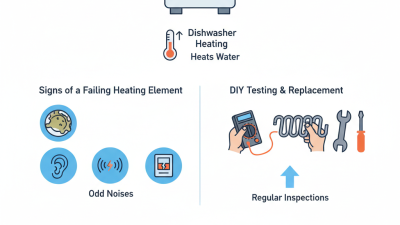
Electric heating elements can be a reliable way to stay warm. Proper maintenance is key for their longevity. Regularly inspect your heating elements for any signs of wear. Check connections and ensure there are no loose wires. It is vital to address these issues quickly.
Cleaning is another essential step. Dust and debris can accumulate over time. When possible, turn off power before cleaning. A damp cloth can effectively remove dirt. Avoid harsher chemicals that may damage surfaces. It's important to ensure everything is dry before switching back on.
Another critical aspect is temperature control. Overworking your heating element can shorten its lifespan. It may be tempting to set the thermostat high for immediate warmth. However, moderation is key. Use timers to prevent constant operation. Regularly assess if your heating needs have changed to avoid unnecessary strain. Your heating element deserves the same attention as any home appliance.
Electric Heating Elements Efficiency Comparison
This chart compares the efficiency ratings of various electric heating elements, showcasing their effectiveness for heating solutions. Higher ratings indicate better efficiency, contributing to longer-lasting performance and lower energy consumption.

 +852 60984748