2026 Best Dishwasher Heating Element Choices for Your Kitchen?
As kitchens evolve, the importance of efficient appliances grows. The Dishwasher Heating Element is crucial for maintaining optimal cleaning performance. In 2026, the market emphasizes superior technology, aiming for energy efficiency and reliability.
Recent industry reports indicate that nearly 30% of households prioritize energy-efficient dishwashers. These consumers demand innovative features while reducing utility costs. However, not all heating elements meet these expectations. Some fail to provide consistent performance, leading to dissatisfaction.
Innovative options are emerging, with a focus on sustainable materials in the manufacturing process. This could revolutionize the way we use dishwashers. Yet, caution is necessary; not every product labeled "eco-friendly" lives up to its promise. Shoppers must stay informed and choose wisely.
Overview of Dishwasher Heating Elements and Their Importance
Dishwasher heating elements play a crucial role in ensuring your dishes come out clean and sanitized. These components heat the water to optimal temperatures, helping to break down grease and food particles. A well-functioning heating element can greatly improve washing efficiency. However, understanding their importance is often overlooked.
When selecting a heating element, consider its material and design. Stainless steel elements are durable and resistant to corrosion. They withstand high temperatures well. Also, pay attention to the wattage. A higher wattage can heat water faster, but be cautious of energy consumption.
Tip: Regularly clean the heating element to prevent mineral buildup. This can extend its lifespan and maintain optimal performance.
Some heating elements are designed for specific types of dishwashers. Ensure compatibility with your model. Using the wrong element might lead to overheating or inadequate cleaning. It’s essential to consult your user manual for guidance.
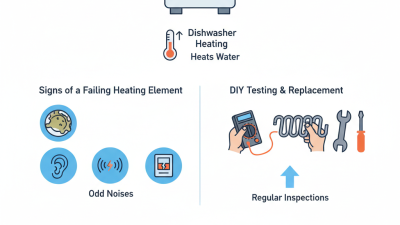
Tip: If dishes are still dirty after a wash, inspect the heating element. It might need replacement or repair. A malfunctioning element can undermine the entire washing process.
Types of Dishwasher Heating Elements: Comparing Heating Methods
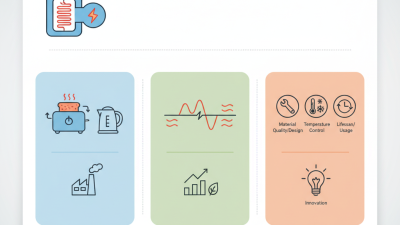
When selecting a heating element for your dishwasher, it's essential to understand the different types available. There are generally two primary heating methods used: conventional heating elements and advanced, innovative technologies. Conventional elements heat the water directly. They are effective but can be energy-consuming. There’s a noticeable delay; sometimes, they take longer to complete a cycle.
On the other hand, advanced technologies often utilize heat exchangers. These systems offer faster heating and generally operate more efficiently. Additionally, they can help conserve energy by using less power. However, some users report that these systems may require more maintenance. It is important to consider your kitchen's unique needs. Assessing the layout and power sources can also be tricky. Do you have enough space for a specific type of element?
It's vital to weigh both benefits and drawbacks when making your choice. A powerful system may seem ideal, but it could lead to higher utility bills. Reflecting on your daily usage habits can aid in finding the best fit. You might also discover that a less powerful element suffices, especially for lighter loads. Understanding these options can simplify your decision-making process.
2026 Best Dishwasher Heating Element Choices for Your Kitchen
This bar chart compares the efficiency ratings of various types of dishwasher heating elements in 2026. Each type is rated on a scale from 1 to 10, indicating its efficiency in heating water for dishwashing.
Key Features to Consider When Choosing a Heating Element
When selecting a heating element for your dishwasher, consider efficiency. Energy-efficient models save money. They also reduce your carbon footprint. Look for elements with high wattage, as they generally heat water faster. A quick-heating element can be a real game changer, especially during busy times.
Durability is another crucial feature. A sturdy heating element lasts longer, ultimately saving you replacement costs. Check for materials that resist corrosion. Stainless steel is often a smart choice. Additionally, ease of replacement can be overlooked. Complicated installation processes can lead to frustration. Find elements that allow for simple access.
Finally, think about safety features. Some models come equipped with auto shut-off options. This helps prevent overheating issues. While it’s easy to overlook these aspects, they are essential. Prioritize safety and reliability over just price. Investing in the right heating element pays off in the long run. So, take your time and weigh your options carefully.
Top Brands and Models of Heating Elements for 2026
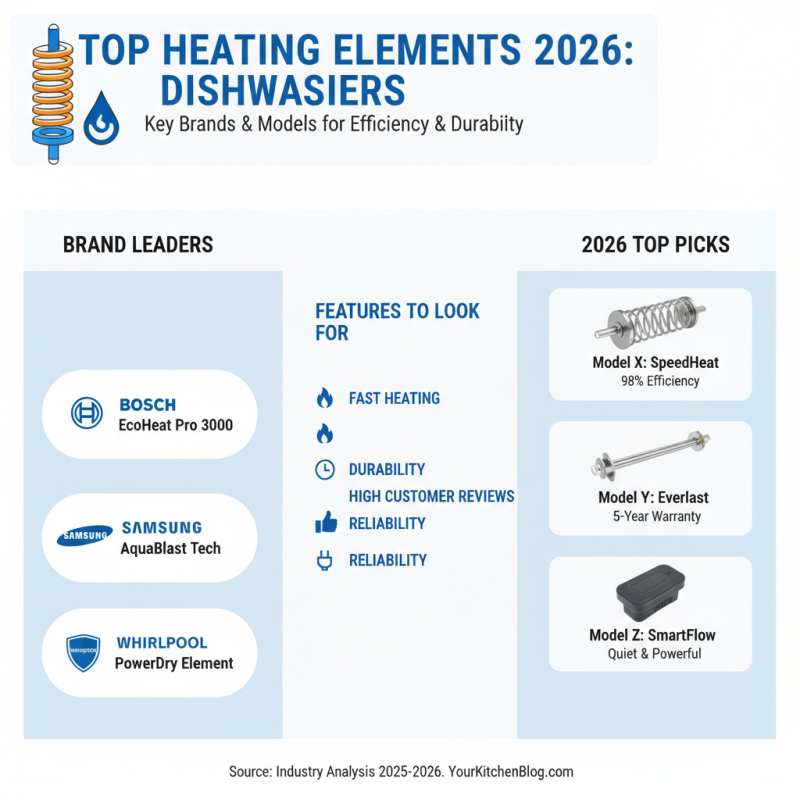
When choosing a heating element for your dishwasher, the options are varied. Many models promise efficiency and durability. However, effectiveness can differ based on the brand and technology used. A good heating element should heat water quickly, ensuring clean dishes in no time. Look for those with solid customer reviews. Reliability is key for a smooth kitchen experience.
Some top-rated models focus on thermal efficiency. They use advanced designs to reduce energy consumption. You may find some heating elements that take longer to heat up first but excel in energy savings. However, not all options live up to expectations. Users often report inconsistent heating. It can be frustrating if dishes come out still dirty or greasy.
When purchasing, consider the materials. Stainless steel tends to be more durable. Certain elements may show wear sooner than expected. Replacement can be a hassle. Evaluate the warranty, too. A longer warranty might give you peace of mind but often indicates higher quality. Choosing the right element involves careful consideration.
Installation and Maintenance Tips for Your Dishwasher Heating Element
When it comes to dishwasher heating elements, installation and maintenance play crucial roles. A properly installed heating element ensures efficient performance, while regular upkeep can prolong its lifespan. According to a recent industry report, nearly 50% of dishwasher malfunctions are related to heating issues. Hence, understanding installation is key.
Before starting, make sure to disconnect the power supply. This step protects against electrical shock. Next, when positioning the heating element, secure it tightly to prevent leaks. Misalignment can lead to water damage. Also, remember to inspect the connections. Loose wires might create inefficiencies, leading to higher energy bills. A tight seal helps maintain optimal temperature control.
Regular maintenance is equally important. Check for mineral buildup regularly, as this can insulate heating elements and reduce efficiency. Cleaning should happen at least once a month. Use a combination of vinegar and baking soda for a natural approach. This method tackles buildup effectively without harsh chemicals. Monitor the heating element for any signs of wear or corrosion. Address small issues before they become significant problems.

 +852 60984748