Top Benefits of Hot Water Heating Coils for Efficient Home Heating Systems?
In the ever-evolving world of home heating, "Hot Water Heating Coils" stand out as a reliable solution. Renowned expert in HVAC systems, Dr. Emily Carter, states, “Hot water heating coils provide not only warmth but also efficiency.” This statement reflects the dual benefits that homeowners can reap.
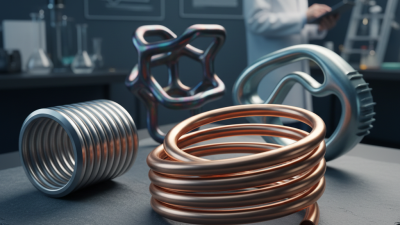
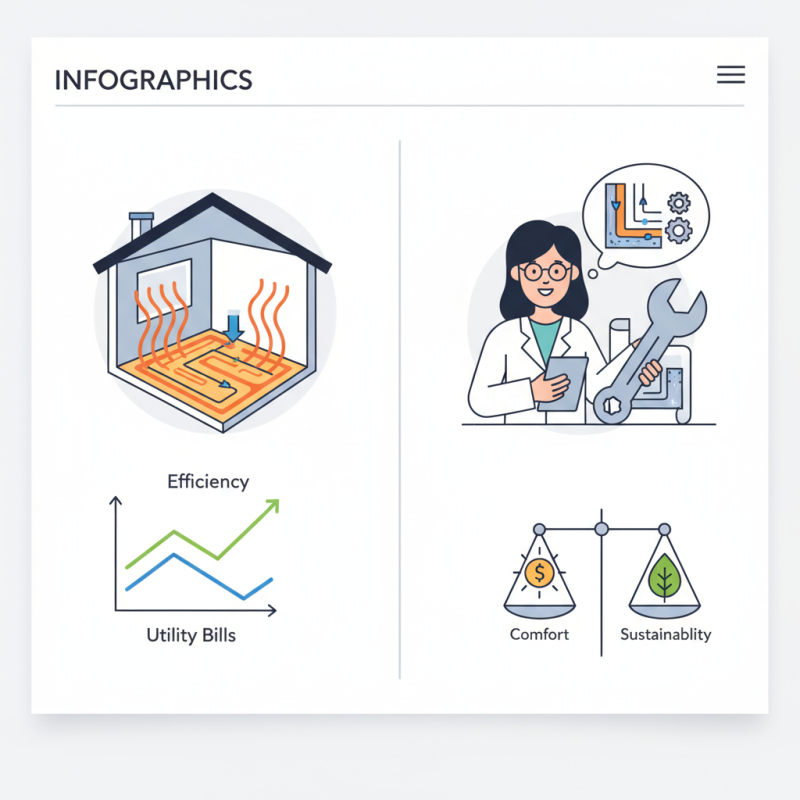
Hot Water Heating Coils work by circulating warm water through pipes, radiating heat into your living spaces. They are often more efficient than traditional heating methods. With rising energy costs, more individuals seek alternatives that prioritize both comfort and sustainability. Many families have experienced lower utility bills after switching to this system.
However, it is essential to consider that installation can be complex. Proper sizing and placement of the coils demand expertise. Homeowners might learn valuable lessons from miscalculations. As energy efficiency becomes a priority, reflecting on such details will ensure the best outcomes. Balancing comfort with efficiency is critical in today’s heating landscape.
Benefits of Hot Water Heating Coils in Home Heating Systems
Hot water heating coils are a vital component of many home heating systems. They work by circulating heated water, efficiently warming your living space. These coils can provide consistent and even warmth throughout a home. This reduces cold spots and creates a comfortable environment.
One major benefit of hot water heating coils is energy efficiency. They operate by relying on water's natural ability to retain heat. As a result, they can use less energy compared to traditional heating methods. Many homeowners report lower energy bills after switching to this system. However, installation and maintenance can be costly.
Reliable performance is another aspect to consider. While hot water heating coils can be efficient, they require proper upkeep. Regular inspections can prevent leaks and rust that might develop over time. Homeowners should educate themselves on maintenance routines. Ignoring these tasks can lead to inefficiencies or system failures in the long run.
How Hot Water Heating Coils Improve Energy Efficiency
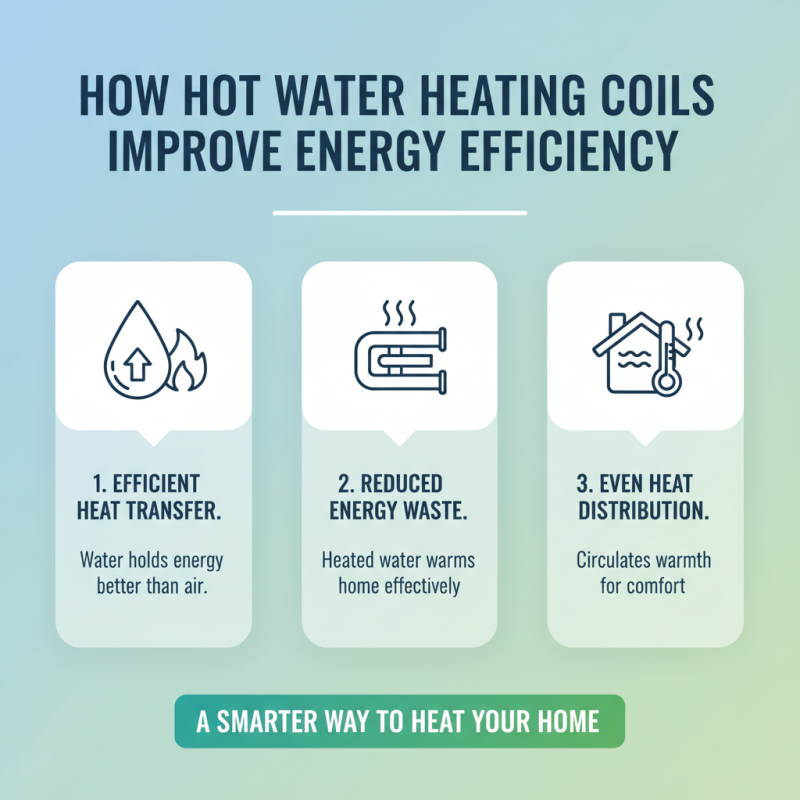
Hot water heating coils are an excellent choice for efficient home heating systems. They transfer heat through water, which holds energy better than air. This means that hot water can efficiently warm your home, reducing energy waste. By circulating heated water, these coils ensure even heat distribution, creating a comfortable living environment.
One key advantage of hot water heating coils is their energy efficiency. They typically require less energy to achieve desired heating levels. Installing a high-efficiency boiler can further enhance your system. This can lead to significant energy savings over time. Homeowners often overlook the importance of proper insulation in their heating system. Insulation helps retain heat within pipes, ensuring minimal energy loss.
Tips for improving your home's heating efficiency include regularly cleaning your hot water system. Dirt build-up can reduce efficiency and increase energy costs. Consider setting your thermostat to a lower temperature when you're not home. This simple adjustment can lead to noticeable energy savings. Investing in a programmable thermostat can help automate this process. These small changes can have a long-lasting impact on your energy bills.
Comparative Analysis: Hot Water Heating Coils vs. Traditional Systems
Hot water heating coils present an efficient alternative to traditional heating systems. These coils heat water, which circulates through your home. The result is a more consistent and comfortable heat compared to forced air systems. Traditional HVAC systems can create temperature variances, leading to hot and cold spots throughout your home. In contrast, hot water coils distribute warmth evenly.
Installation can be more complex with hot water systems. They may require more space and a careful design to ensure efficiency. However, they often lead to lower energy bills over time. Inefficient insulation or air leaks can cause traditional systems to work harder. This can increase energy consumption and costs. Hot water heating systems, when properly maintained, can offer greater reliability.
Users must consider the initial costs of setting up hot water heating coils. While they can provide long-term savings, the upfront investment may be formidable. Moreover, if the system fails, repairs can be costly and time-consuming. Understanding the trade-offs is crucial for homeowners. Hot water heating coils need a commitment to maintenance and attention to detail.
Top Benefits of Hot Water Heating Coils for Efficient Home Heating Systems
| Feature |
Hot Water Heating Coils |
Traditional Heating Systems |
| Energy Efficiency |
Higher efficiency due to reduced heat loss |
Lower efficiency, more energy waste |
| Initial Cost |
Higher initial investment |
Typically lower initial costs |
| Maintenance |
Requires regular maintenance for optimal performance |
Often lower maintenance needs |
| Heating Speed |
Provides faster heating within spaces |
Slower response time in heating |
| Environmental Impact |
Lower carbon emissions |
Higher carbon emissions |
Maintenance Requirements for Hot Water Heating Coils
Maintaining hot water heating coils can be crucial for efficiency. Regular inspection is essential. Look for signs of leaks or corrosion. These issues can lead to significant heat loss and higher energy bills. A small leak can worsen if not addressed promptly.
Flush the system every year. Sediment can accumulate in the coils over time. This buildup reduces efficiency. It’s a simple task but often overlooked. Regular flushing can extend the lifespan of the system. Without this, performance may decline.
Check for air pockets. They can form in the system, disrupting water flow. Bleeding the system can eliminate these pockets. It keeps the heating uniform and effective. If unsure, consulting a professional is advisable. They can offer insights and regular service. Remember, neglecting these maintenance tasks can lead to costly repairs down the line.
Top Benefits of Hot Water Heating Coils for Efficient Home Heating Systems
Cost-Effectiveness of Hot Water Heating Coils in Long-Term Use
Hot water heating coils present significant cost-effectiveness for homeowners. According to a report by the U.S. Department of Energy, hot water heating systems can reduce energy bills by 10-20% compared to traditional heating methods. This reduction is primarily due to the efficient heat transfer provided by these coils. They deliver warmth more uniformly throughout a space, minimizing energy waste.
Long-term use of hot water heating coils often results in lower maintenance costs. Research indicates that well-maintained coils can last over 20 years. Routine checks and proper insulation are essential to avoid costly repairs. Homeowners should watch out for leaks or cracks in the coils. This can lead to inefficiencies and higher energy expenses.
Tips: Regularly inspect your heating system. Address minor issues promptly. Consider using energy-efficient boilers to maximize savings. Remember that investing in quality installation pays off. You may initially pay more, but the long-term benefits outweigh the costs. Efficient heating is both economical and sustainable. Invest wisely for a comfortable home.

 +852 60984748