2026 Top Types of PTC Heating Element for Efficient Heating Solutions?
Efficient heating solutions are vital in many industries today. As technology evolves, so does the segment of PTC heating elements. Renowned expert Dr. Amelia Johnson, a leading figure in thermal engineering, states, "The right PTC heating element can transform energy efficiency and performance."
In 2026, the landscape of PTC heating elements continues to shift. Manufacturers are exploring various materials and designs to boost efficiency. The reliance on these elements is growing in sectors like automotive, consumer electronics, and home heating. With energy costs rising, businesses seek reliable components to save on expenses.
Yet, challenges remain. Some PTC heating elements may not perform consistently. Factors like material quality and environmental conditions can affect output. Continuous innovation is essential to address these issues and enhance reliability. Investing in superior PTC heating elements could lead to significant energy savings and improved performance.

Overview of PTC Heating Elements and Their Technology
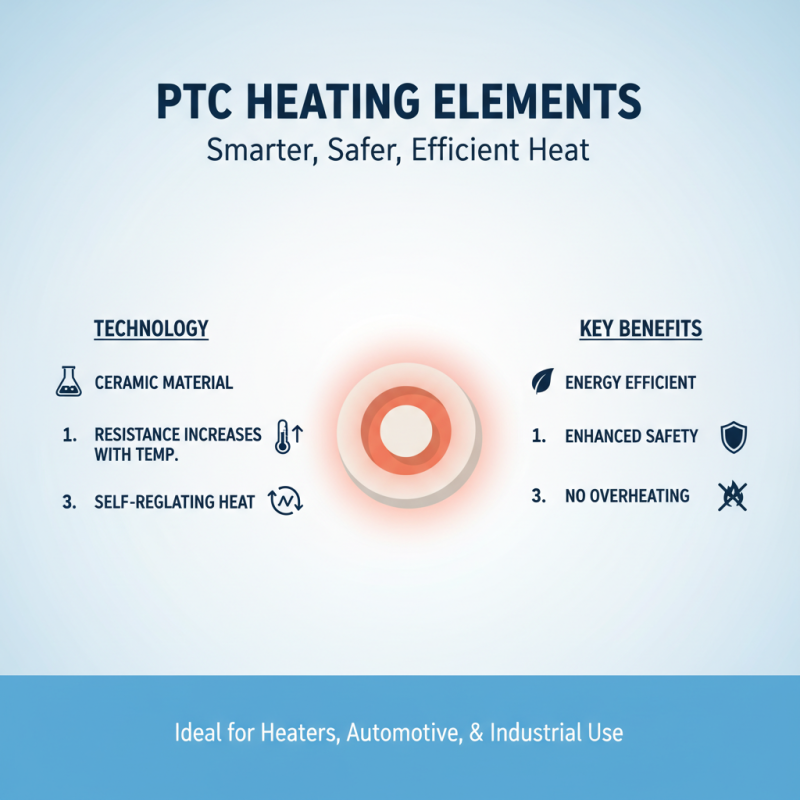
PTC (Positive Temperature Coefficient) heating elements have gained popularity for their efficient heating capabilities. These elements use a ceramic material that becomes a better conductor as it heats up. This self-regulating feature ensures they do not overheat, making them safer and more energy-efficient options compared to traditional heaters.
The technology behind PTC heating elements is fascinating. They work by increasing resistance as the temperature rises. This unique property allows for consistent temperature maintenance without excessive energy use. PTC heaters are versatile and can be used in various applications, from home heating to industrial purposes. However, there are limitations to consider, like performance in very cold environments.
It’s essential to choose the right type of PTC heating element based on specific needs. While many options are available, not all will suit every application. Understanding the technical characteristics of these elements is crucial for efficiency. Experimenting with different types can yield unsatisfactory results if not approached thoughtfully.
Advantages of Using PTC Heating Elements for Efficient Heating
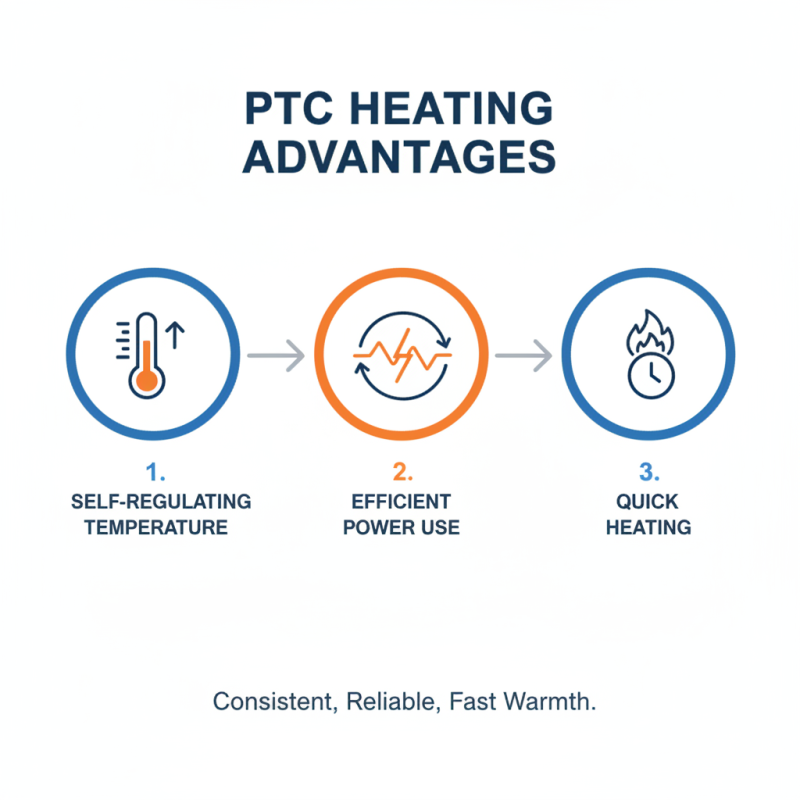
PTC heating elements have gained popularity for their unique benefits in various heating applications. Unlike traditional heating elements, PTC (Positive Temperature Coefficient) materials automatically adjust their resistance based on temperature. This self-regulating feature leads to consistent and efficient heating. Moreover, PTC heating elements are known for their quick heating capabilities, making them ideal for industries needing immediate warmth.
Using PTC heating elements reduces energy consumption. These elements only draw the necessary power to maintain a desired temperature. Users report significant savings on their energy bills. Additionally, PTC materials have a longer life span than traditional elements. This durability translates to less frequent replacements and a lower environmental impact.
Tip: When selecting a PTC heater, consider the required temperature range. Not every PTC element fits every application perfectly.
Another advantage is safety. PTC heating elements operate at lower temperatures, minimizing the risk of burns or fires. While they offer many benefits, potential users should assess their specific needs. In some cases, the initial investment in PTC technology may seem high. However, long-term savings often outweigh this upfront cost.
Tip: Regularly monitoring the operation of your PTC heater can optimize its performance. Look out for any irregular behaviors for early troubleshooting.
Common Applications of PTC Heating Elements in Various Industries
PTC heating elements have become essential in various industries due to their efficient heating capabilities. These elements are frequently used in automotive applications, especially in seat heating systems and defrosting mechanisms. According to industry reports, the automotive sector accounts for around 30% of the global PTC heating element market. This reflects a growing demand for energy-efficient solutions that enhance passenger comfort while reducing energy consumption.
In the consumer electronics field, PTC heating elements are vital in devices like hair dryers and space heaters. Their ability to provide quick, adjustable heating makes them popular choices. The reports indicate that this segment is experiencing a market growth rate of approximately 5% annually. However, there are challenges, such as balancing performance and manufacturing costs. Manufacturers must consider durability and reliability since the life cycle of these products plays a significant role in consumer satisfaction.
In the HVAC industry, PTC heaters are increasingly integrated into residential systems. They offer efficient solutions for quick heating, crucial during colder months. The relevance of PTC elements in comfortable climates cannot be ignored. It is essential for engineers to monitor performance closely and implement necessary adjustments. Some reports indicate that many PTC elements underperform in high humidity conditions, highlighting the need for ongoing research and development in these applications.
2026 Innovations and Trends in PTC Heating Element Design
The landscape of PTC (Positive Temperature Coefficient) heating elements is evolving rapidly. Innovations in design are leading to more efficient heating solutions. These advancements incorporate advanced materials that improve heating efficiency. For example, new ceramic composites enhance thermal conductivity. This results in quicker heating times and reduced energy consumption.
Another significant trend is the miniaturization of PTC heating elements. Smaller designs can be integrated into compact devices, making them ideal for consumer electronics. This not only saves space but also allows for more versatile applications. With a focus on sustainability, many manufacturers are exploring eco-friendly materials. These changes reflect a growing awareness of environmental impacts in product design.
However, challenges remain in the adaptability of these new designs. Some users might find it difficult to integrate innovative elements into existing systems. There is a need for more education on installation and maintenance practices. The industry must address these gaps to ensure widespread adoption of new technologies. Efforts are ongoing to improve user support while maximizing the potential of modern PTC heating solutions.
2026 Top Types of PTC Heating Element for Efficient Heating Solutions
Factors to Consider When Selecting PTC Heating Elements for Your Needs
When selecting PTC heating elements, several critical factors come into play. One key consideration is the operating temperature range. PTC elements vary in their temperature capabilities, typically ranging from 60°C to 280°C. Understanding the specific requirements of your application ensures optimal performance and safety. The thermal management of these materials is essential. For instance, a report from the International Journal of Thermal Sciences highlights that improper temperature ranges can lead to inefficiencies and even thermal runaway in certain systems.
Another important factor is the physical dimensions of the heating element. PTC elements come in various shapes and sizes. Selecting the right size impacts the heating efficiency and space constraints of your setup. A study published in the Journal of Power Sources indicates that mismatching dimensions can decrease heat distribution efficiency by up to 30%. Moreover, material composition is vital. Different materials offer varied thermal conductivity and durability. For example, ceramic-based PTCs tend to provide better performance in high humidity environments, whereas polymer-based options might be more suitable for compact applications.
Lastly, consider the power rating and system compatibility. The power output of PTC elements is crucial in aligning with system requirements. Overestimating power needs can lead to wasted energy and increased operational costs. Conversely, underestimating can result in insufficient heating. As outlined in the latest industry data report, 40% of PTC heating system failures stem from poor compatibility with existing systems. These reflections guide users toward making informed decisions for their heating solutions.
2026 Top Types of PTC Heating Element for Efficient Heating Solutions
| Type |
Material |
Temperature Range (°C) |
Applications |
Efficiency (%) |
| Type A |
Polymer |
0 to 100 |
Home Appliances |
85 |
| Type B |
Ceramic |
-20 to 150 |
Industrial Heating |
90 |
| Type C |
Silicon |
0 to 200 |
Automotive |
88 |
| Type D |
Metal |
-40 to 250 |
Medical Equipment |
92 |
| Type E |
Carbon |
-10 to 120 |
Consumer Electronics |
86 |

 +852 60984748