How to Test and Replace Dishwasher Heating Element Quickly?
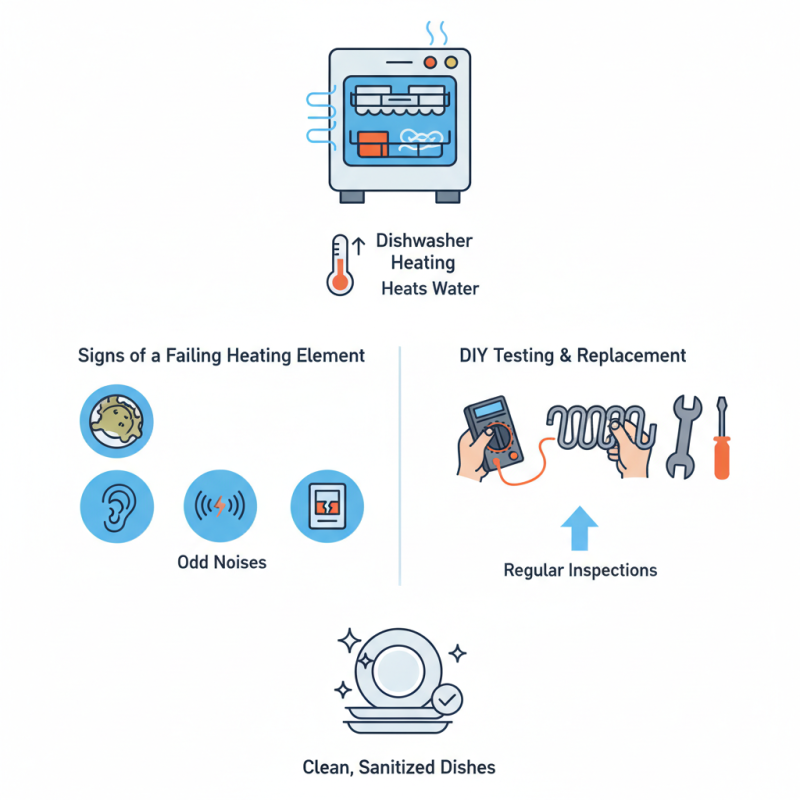
When your dishwasher fails to heat water properly, the problem often lies with the Dishwasher Heating Element. This vital component plays a crucial role in ensuring dishes come out clean and sanitized. Understanding the significance of this element can help you tackle issues effectively.
Testing and replacing the Dishwasher Heating Element may seem daunting. Many homeowners question their DIY skills. However, this process can be manageable with the right tools and information. Regular inspections can prevent bigger problems down the line.
Take time to learn about the signs of a failing heating element. A sudden increase in dishware left with grease or residue is a clear red flag. Look for odd noises or even tripped circuit breakers. These details may indicate it’s time to address your dishwasher’s heating issues before they escalate.
Understanding the Role of the Heating Element in Dishwashers
The heating element in a dishwasher plays a crucial role in the cleaning process. It heats the water to the required temperature, ensuring that food particles are effectively removed from dishes. If the heating element fails, you may find dishes still dirty after a cycle. This can be frustrating and time-consuming, especially if you rely on your dishwasher daily.
Understanding how the heating element works is vital for troubleshooting. Typically, it is located at the bottom of the dishwasher. When it malfunctions, the water won't reach the optimal temperature. In some cases, you might notice strange noises or error codes. If these issues arise, it is often time for a closer inspection. Checking for clogs or damage around the element can be a good start.
Testing or replacing the heating element can feel overwhelming, but it's often a manageable task. Using a multimeter can help you check its functionality. A reading of zero indicates a broken element. When replacing, ensure the new one matches the specifications needed. Installing it may require some patience, especially if the space is tight. Take your time, and don't rush through the disassembly. Every detail matters in reassembly.
Signs Indicating a Faulty Dishwasher Heating Element
When your dishwasher isn't cleaning effectively, a faulty heating element could be the culprit. Signs of this issue often include dishes that remain dirty after a cycle. Additionally, if your dishes are still cold at the end, it’s time to investigate. You might notice water pooling without getting hot. A burning smell is another strong indication. If you see any unusual error codes, they may also point to problems with the heating element.
To test if the heating element is working, use a multimeter to check the resistance. A reading of zero indicates a break. If it's broken, replacement is necessary. The process is usually straightforward. You may need to disconnect power and water supply. Remove the old element and install a new one carefully. It’s key to ensure everything is secure to avoid future mishaps. Overlooking any detail during this process could lead to further issues later on, impacting your appliance's performance.
Tools and Materials Needed for Testing and Replacing
When testing and replacing a dishwasher heating element, specific tools and materials are crucial. You will need a multimeter for testing electrical continuity. A screwdriver set is essential to remove the dishwasher panels. Pliers help with disconnecting wires safely. A replacement heating element is necessary if the old one fails. It's wise to have a towel handy to catch any water spills.
While gathering these tools, it's easy to overlook minor details. Check the power supply before starting. Ensure the dishwasher is unplugged to avoid shocks. If you haven't done this before, take your time. A rushed job leads to errors. Be prepared for the unexpected, as older models may have unique configurations.
After testing the element, if it's faulty, follow the manual for proper replacement steps. Each dishwasher design can vary, and this can be frustrating. Take pictures before disassembly to aid in reinstallation. Remember, you might not get it right the first time. Patience is necessary for a secure and proper fit.
Heating Element Replacement Time Analysis
Step-by-Step Guide to Testing the Heating Element
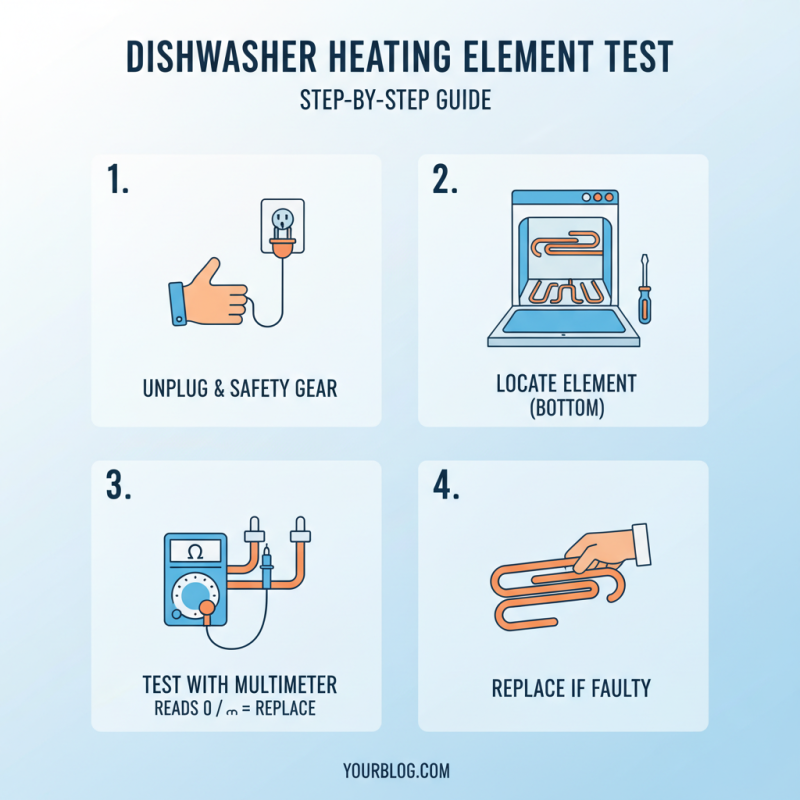
Testing and replacing a dishwasher heating element can feel overwhelming. However, with a clear step-by-step guide, it becomes manageable. Gather your tools: multimeter, screwdriver, and safety gloves. Start by unplugging the dishwasher to ensure safety. Open the access panel to locate the heating element. This part often sits near the bottom.
Next, test the heating element. Use the multimeter to check for continuity. If the reading is infinite, the element is likely faulty. Sometimes it helps to double-check the connections. Inspect for any visible damage, such as corrosion or breaks. Those small details can make a big difference.
If you find the heating element needs replacement, carefully remove it. Pay attention to how it is connected. Swap in the new element, ensuring all connections are secure. This process can turn tricky; take your time to avoid errors. Once installed, close the panel and restore power. Test the dishwasher to confirm that it heats effectively. Don’t hesitate to revisit steps if it doesn’t work. Each attempt teaches something new.
Procedure for Removing and Installing a New Heating Element
Replacing a dishwasher heating element can seem daunting, but following a simple procedure makes it manageable. Begin by ensuring the dishwasher is unplugged. Access the heating element located usually at the bottom of the dishwasher. Take a moment to inspect the surrounding area for any debris or buildup. This small step is often overlooked and can impact performance.
Carefully unscrew the heating element using the appropriate tools. Be cautious, as tight spaces can make it tricky. Once removed, compare the old element with the new one. Pay attention to any differences in size or shape. It’s essential that the new element fits perfectly to avoid issues down the line. Reattach it by reversing the removal process.
After installation, double-check all connections. Ensure they are secure and properly insulated. A loose wire could lead to malfunction. Finally, plug the dishwasher back in and run a short cycle to test the new element. Don't be surprised if you encounter minor hiccups; troubleshooting can often lead to valuable learning.

 +852 60984748