Best PTC Heating Elements for Efficient Heating Solutions?
In recent years, the demand for efficient heating solutions has surged. The global heating element market is projected to reach $7.99 billion by 2027, according to industry reports. A key player in this field is the PTC heating element. These elements use Positive Temperature Coefficient technology, which allows them to self-regulate their temperature. This feature enhances safety and efficiency in various applications.
PTC heating elements are popular in sectors such as automotive and home appliances. They provide rapid heating with lower energy consumption. Reports suggest they can save up to 30% energy compared to traditional heating methods. However, understanding their application and limitations is crucial. Not all PTC elements are the same, and selecting the right type can affect performance and longevity.
Despite their advantages, PTC elements may face challenges. Issues like overheating or uneven heating can arise if not properly monitored. It's essential for manufacturers and users alike to assess their specific needs when choosing heating solutions. Balancing efficiency with quality is key for optimal results.
Overview of PTC Heating Elements and Their Benefits
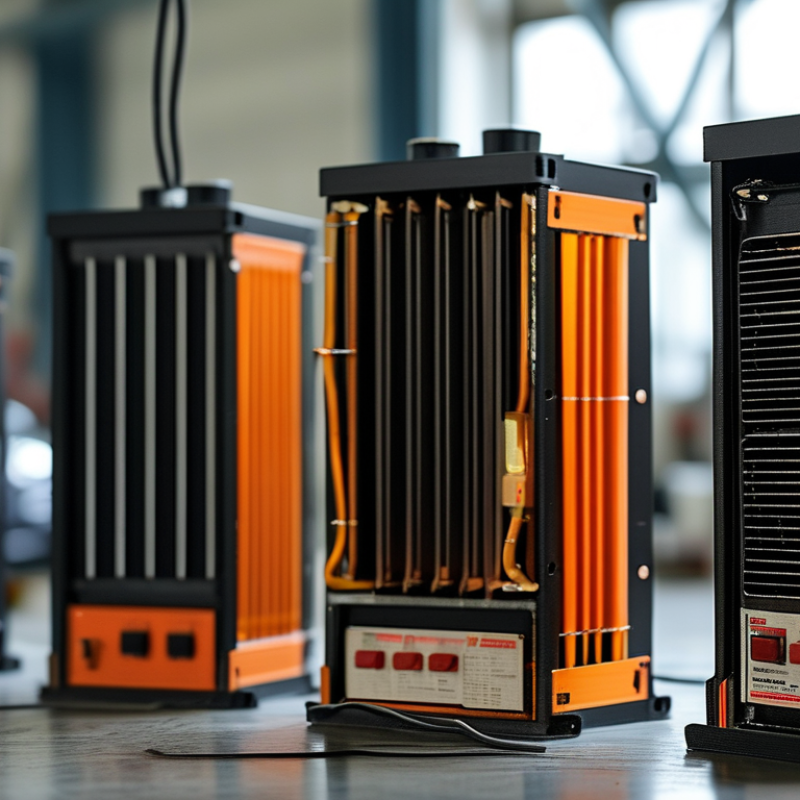
PTC (Positive Temperature Coefficient) heating elements are gaining popularity for their efficiency and safety. These elements are self-regulating, meaning they automatically adjust their heating output based on temperature changes. This feature makes them ideal for various applications, such as space heaters and temperature-sensitive devices. When temperatures rise, the resistance increases, thus preventing overheating. This self-regulating property not only enhances safety but also contributes to energy savings.
The benefits of PTC heating elements extend beyond mere safety. They warm up quickly, providing instant heat when needed. Their compact size allows for easier integration into different products. Many users appreciate their durability, as PTC elements have a long lifespan and require minimal maintenance. However, not all designs are perfect. Some may struggle with effective heat distribution in larger spaces. This limitation highlights the need for careful application and placement. Understanding these nuances can make the difference between successful usage and unintended issues.
Types of PTC Heating Elements and Their Applications
PTC heating elements, known for their positive temperature coefficient properties, come in various types suitable for diverse applications. These elements exhibit self-regulating characteristics, making them ideal for energy-efficient heating solutions. Reports from industry research have shown that PTC heaters can increase energy efficiency by up to 30% compared to traditional heating methods, which is significant for both residential and industrial settings.
The most common types of PTC heating elements include ceramic, polymer, and metallic variations. Ceramic PTCs are widely used in space heaters and warm air blowers due to their robustness and high thermal conductivity. Polymer-based PTCs are favored in automotive applications, providing heating functions in seat warmers and defrost systems. Metallic PTCs can be utilized in applications requiring higher temperatures, such as industrial processing equipment. Each type serves specific needs, yet there are limitations. For instance, ceramic elements can be brittle, which may lead to failures under mechanical stress. Understanding these details helps in selecting the right heating solution.
Choosing the right type of PTC heating element requires careful consideration of application needs and constraints. Factors such as maximum temperature, heating efficiency, and potential failure modes must be assessed. Detailed knowledge gathered from market analysis indicates that misapplication can lead to reduced performance and safety hazards. Thus, investing time in research and testing is essential for maximizing efficiency and reliability in heating solutions.
Factors to Consider When Choosing PTC Heating Elements
When choosing PTC heating elements, several factors come into play. Efficiency is crucial; look for elements that provide rapid heating while consuming minimal energy. Consider the temperature range they can achieve. Some applications may require higher temperatures than others. It's essential to match the heating element to your specific needs.
Another important aspect is durability. The lifespan of a PTC heating element can affect your overall costs. High-quality, durable materials ensure longer usage without frequent replacements. However, sometimes elements may fail unexpectedly. Regular checks can help mitigate issues before they escalate.
Tips: Always check compatibility with your system. Mismatched elements may lead to inefficiency. Ensure proper installation to maximize performance. Inspect for signs of wear and tear periodically. Remember, even the best elements need maintenance. Reflect on your usage patterns for long-term efficiency gains.
Top PTC Heating Element Brands and Models in the Market
When exploring PTC heating elements, the market offers a variety of brands and models known for their efficiency.
According to industry analysis, PTC heating elements can be up to 30% more energy-efficient than traditional resistive heaters.
This efficiency stems from their ability to self-regulate temperature output based on the surrounding conditions.
Thus, they are ideal for applications in home heating, automotive, and industrial sectors.
Several leading brands focus on producing high-quality PTC heating elements. They provide models that range from small,
portable units to larger, fixed installations. Some reports indicate that users favor PTC elements for their rapid
heating capacity and safety features. These models often include built-in temperature controls, which enhances their
appeal for personal or commercial use.
Tips: When selecting a PTC heating element, consider the required wattage and intended application. Some
professionals recommend testing multiple models to assess their heating characteristics. Keep in mind that not all
PTC elements will perform equally in every environment, leading to different experiences. Always read customer
reviews and evaluations, as they might highlight potential limitations not mentioned in product descriptions.
Best Practices for Installing and Maintaining PTC Heating Elements
When installing PTC heating elements, proper practices are crucial for optimal performance. According to a recent industry report by Global Market Insights, incorrect installation can lead to a 30% decrease in efficiency. Positioning the heating element away from heat-sensitive materials is essential. This step prevents potential damage and ensures safety during operation.
Regular maintenance is equally important. A maintenance schedule should include cleaning the heating element every six months. Dust and debris can hinder performance, causing overheating and failure. The report emphasizes that a clean environment can boost efficiency by 15%. Visual inspections can catch small issues before they escalate.
While PTC heating elements are designed for durability, they are not infallible. Users can overlook minor signs of wear, leading to significant failures over time. Addressing even slight irregularities in temperature can enhance the lifespan of the unit. Understanding these nuances can make all the difference in long-term functionality.
Best PTC Heating Elements for Efficient Heating Solutions
| Element Type |
Power Rating (W) |
Voltage (V) |
Temperature Range (°C) |
Application |
Lifespan (Hours) |
| Ceramic PTC |
100 |
230 |
20 - 60 |
Air Heating |
5000 |
| Polymer PTC |
150 |
120 |
15 - 80 |
Wearable Heaters |
3000 |
| Metal PTC |
200 |
240 |
30 - 100 |
Industrial Equipment |
8000 |
| Flexible PTC |
50 |
12 |
10 - 70 |
Flexible Heating Pads |
4000 |

 +852 60984748